
 Amazon Music
 Apple Podcasts
 Audible
 Castbox
 Deezer
 Fountain
 iHeartRadio
 Pandora
 PocketCasts
 Podcast Addict
 Spotify
 YouTube
  RSS Feed
 S5E24: Tree Sit at the Border

Kate Scott reports from a tree sit in Lochiel, where activists occupied the last of four landmark cottonwoods after contractors destroyed the others for double-wall construction through the San Rafael Valley.
Border-wall contractors have destroyed three ancient Fremont cottonwoods in the tiny community of Lochiel, Arizona. The trees, estimated to be 200 to 250 years old, stood within the path of two proposed 30-foot border walls through the San Rafael Valley. One landmark cottonwood remains—and activists have occupied it in what may be the first tree sit organized against border-wall construction.
Kate Scott joins Chris Clarke from the Casita de la Esperanza, the activists’ base in the former Lochiel port of entry. She describes the destruction of the cottonwoods, the birds and other wildlife that depended upon them, and concerns that construction continued despite evidence of active nests. She also explains why activists are demanding that the remaining tree be spared and the proposed secondary wall be stopped.
The fight is about more than one tree. For Scott and her fellow organizers, the surviving cottonwood represents the ecological richness, cultural history, and cross-border relationships threatened by wall construction throughout the Arizona–Sonora borderlands.
Key Takeaways
- Contractors destroyed three of Lochiel’s four landmark cottonwoods to clear space for border-wall construction.
- Activists are occupying the remaining tree and calling for the proposed secondary wall through Lochiel to be abandoned.
- The cottonwoods provided habitat for barn owls, flickers, kingbirds, insects, and other wildlife; Scott also reports hearing a threatened yellow-billed cuckoo.
- Scott says Customs and Border Protection had promised protections for active bird nests, but activists saw no meaningful environmental monitoring during the removal.
- Organizers are using direct action alongside art, music, ceremony, and public gatherings to defend the San Rafael Valley.
- The wall threatens not only wildlife movement but also a historic border community, neighboring ranchland in Sonora, and potentially significant archaeological resources.
Notable Quotes
- “We do not want a double wall through this historic community.”
- “Each one [of the cottonwoods is] unique—a universe in and of itself.”
- “This is not a crossing point. This is a wildlife migratory corridor.”
- “We’re not taking this anymore. We’re making our stand here.”
- “Don’t obey in advance.”
Become a desert defender!: https://90milesfromneedles.com/donate
See omnystudio.com/listener for privacy information.
0:00:00 - (Chris Clarke): 90 Miles from Needles, the Desert Protection Podcast is made possible by listeners just like you. If you want to help us out, you can go to 90 miles from needles.com/donate or text needles to 53555.
0:00:25 - (Joe Geoffrey): Think the Deserts are Barren wastelands? Think again.
0:00:34 - (Joe Geoffrey): it's time for 90 miles from Needles the Desert Protection Podcast.
0:00:44 - (Chris Clarke): Thank you Joe and welcome to 90 Miles from Needles the Desert Protection Podcast. I'm your host Chris Clarke, and if you've been following the border wall news these days, you will know that there is a big, pitched struggle going on right now in the San Rafael Valley in southeastern Arizona over construction of the border wall and the concomitant destruction of the natural world that is taking place in order to put that unnecessary border wall in with a second potential parallel border wall.
0:01:13 - (Chris Clarke): This is an area that sees little to no use by migrants and as I speak, there's a tree sit happening intended to halt the local destruction that the border wall contractors are making. People are on a platform about 30 ft up in the last remaining tree of a group of two five zero plus year wood trees. All but one of them has been knocked down by contractors for Customs and Border Protection. It's a disheartening scene, but activists are rising to the occasion and they're putting their bodies on the line to try and keep the destruction from proceeding and getting worse.
0:01:48 - (Chris Clarke): In this episode we have an interesting interview that I think you're going to find enjoyable and inspiring as well with Kate Scott, longtime activist in the area and one of the co-founders of the Madrean Archipelago Wildlife Center. We're going to get to that fast, but a quick thanks first to the group Get Fried rice, which every year serves food to people at the Oregon Country Fair and ask for donations.
0:02:12 - (Chris Clarke): We are one of several groups that they decided to support with this year's donation proceeds. They sent along a really wonderful donation to the Desert Advocacy Media Network of four figures. We are humbled to get fried rice and their contact person with the Desert Advocacy Media Network, Anne Marie Summerhays, who herself is a regular donor. Just we love you and thank you so much. Now let's get to our interview with Kate Scott about direct action to oppose construction of the border wall in Lochiel, Arizona.
0:03:10 - (Chris Clarke): We are lucky to be joined in our virtual studio by Kate Scott, a Southern Arizona activist who is co-founder of the Madrean Archipelago Wildlife Center. I wonder if you could tell us before we start talking about the cottonwoods at the border, what brought you to the involvement that you're currently sharing with the Cottonwoods and the people that are trying to defend them. What's the story of your life in three minutes or less that brought you to this point?
0:03:39 - (Kate Scott): I'm very grateful and thankful to you, Chris, for amplifying our issues here. The last year and three, three months we've been focusing on the ecocide happening in the San Rafael Valley and we've been holding, organizing what we call happenings, bringing together all types of people and organizations to share their feelings about the valley through a somewhat of a scheduled plan. Poetry, art, performance is done, music and May 31, 2025, we held one right here in Lochiel before the destruction was happening to give our love and respect to the valley so we could all gaze at her in her perfection.
0:04:31 - (Kate Scott): And then in November we held another one about midway the wall had come. We had some beautiful speakers. We had a ceremonial opening by Yaqui elders. Chairman Nunez of the San Xavier District presented. Adelita Grijalva had been sworn in for 48 hours and she came to the valley was her first speaking spot as a newly sworn in congresswoman. And so that tells you the importance of this place to us. It's our big bend.
0:05:03 - (Kate Scott): I mean if it had a big river going through it, I think it would help it. But we have beautiful desert rivers which as you know, are very rare and worth protecting. So these series of events brought us again. We held another happening just this May 16th and 17th. And we all knew this was probably going to be the last time we could see it. The wall hadn't come up to Lochiel yet. So when we were out just scoping the area, we noticed that trucks were parked at the Santa Cruz river and there were all these signage and indicators that they were coming to our kill.
0:05:41 - (Kate Scott): So we found out from a contractor that yes, they were going to clear this area and that means that would have, you know, the Grandmother Cottonwoods. As June 15th we came out and I began staying out here the following week because they didn't begin for whatever reasons. And so I just said, okay, I'm going to stay here and as much as I can. And so I have since then. So it's about we're going into our seventh week so that I come in on two, three day stay, go back for a day or three, four days, go back for a couple days.
0:06:15 - (Kate Scott): So it was somewhat exposed at that. But the reason why it brings us up to this moment because we've had a series of awareness happenings to bring the attention of the ecocide in the valley. So here we are and that's how I got here, Chris. And so I'm sitting at what we call our Casita de la Esperanza Port of Hope. And it's actually the former Customs and Border Protection location because this used to be a port of entry.
0:06:49 - (Kate Scott): President Ronald Reagan closed it down in 1983. But it was a very beautiful way of welcoming people. Probably the most beautiful place you could, with a cottonwood grove and all the beauty that's here. So we have it now, and it's allowed us to spread the good fortune of a very kind benefactor, access 24. 7 to this area, which we needed desperately. And we got about the same time that we found out that Lochiel was going to be destroyed. June 23rd, it started, and then July 27th, I believe Monday.
0:07:26 - (Kate Scott): Oh, geez, was it this week. I had decided to go home for a day. And the next day, the, what I call the one-armed tree crushers came in, two of them and started attacking the cottonwoods. And we have some very horrific footage to share there in several articles, which I can send the link to you so the country can hear the brutality. There is no arborist doing this. There is no select. Okay, we cut this.
0:08:00 - (Kate Scott): It's just you come in and you. You uproot around the. You kill the roots in a certain direction. So because you want the tree to fall in a certain direction, then they just reach up their huge bucket, claw and clump, you know, take that off, and then they start beating it literally, like if you were hammering in a nail. But you've got this huge machine doing this to this 250-year-old tree that has been there since before we were a country.
0:08:57 - (Kate Scott): And so that went on, and we had a very brave resistance individual say, okay, they were videotaping, and he. He walked in front of the. The tree and blocked them and was arrested for trespassing.
0:09:09 - (contractor goon): Sir, continue on north under that line which will remove you from the federal easement. You have been warned. You'll be cited on your next violation. Happening right now.
0:09:21 - (Kate Scott): But later was released, and as of this moment, he hasn't been charged. We decided that we needed to be the tree. Luckily, when I got back here, my friend John Kirk is doing the videotaping of the brutality. And I walk up to him and I go, gee, John, look, there's a cottonwood tree down there standing still. My grandmother, he said, oh, no, no, that one was bashed. He'd only thought we had three.
0:09:51 - (Kate Scott): And so the grandmother I've been under for six weeks is the furthest east, and she's kind of like, okay, I'm totally exposed. So I figured she'd be the first one. So the one arm tree crushers, chunk, chunk, that's how about. They sound like he's chunk chunking down to her. And so I'm running down, it's 11 o' clock on that Monday and I put myself in the back part of her because there's a little location that is not within the federal easement they have staked off. Well, this is the easement line and then there's a private property line that's four feet away.
0:10:25 - (Kate Scott): So there's this no man zone, right? So I was totally within my rights to be within that corridor, this little four foot quarter. And I just went back and forth and back and forth and I got within like four feet. You know, this claw is going into her roots and no one says anything to me. The contractors are in a huddle. Nobody says, hey, you know lady, you should, you're in danger. And, and so zero, you should get off of where you are.
0:10:53 - (Kate Scott): Nope. So I just kept doing it. And then they had a little huddle. He went over, he stopped his machine, they had a little huddle. And then he came back and he started to put the dirt back that he had unearthed. He started doing like earthwork with a bucket, which was funny. You know, it's like if a dog is burying their bone. That's what he looked like, a big dog. I'm thinking, huh? So killing time, deciding not to kill the grandmother and see Chunk, chunk chunked eventually up about 300 yards from our, our grandmother and stopped. And that's where he was for up until like a couple days ago. And he's left, you know, so there's nothing now it's our grandmother with a beautiful banner borders still hanging down in front of the tree sit.
0:11:44 - (Kate Scott): Which we had put up to tell the country what they do. There is no security happening here. There's an insecurity and a viol that is being inflicted on every being, including the two leggeds. The people that have lived here peacefully, the ranchers that are our friends from Mexico, they've had their fence line destroyed. The branches did fall in several places into Mexico. And so if you were to walk along the road with me, Chris, you could see, oh okay, four or five spots there. Boom, boom.
0:12:20 - (Kate Scott): So the branches are just falling, you know. And then on our side of the fence, the landowner who's been kind enough to allow us to camp on her land, destroyed her fence in a few spots and the debris is just laying there, of course they can't go on her private property to clean it up. We had one fall on one of our tents, one of the branches. So there was no like, is anybody in those tents? Because I wasn't on the scene.
0:12:46 - (Kate Scott): That could have been a disaster.
0:12:48 - (Chris Clarke): Yeah.
0:12:49 - (Kate Scott): So we're exploring a little bit of that dimension of the scene. And so a point that I do need to make too, Chris, is Michelle Barnes of the Customer and Border Protection. They call themselves the portfolio infrastructure, whatever that means, but they're in charge of all the construction along the border. And we sent her a letter June 19 imploring her that we had nesting migratory birds that we needed them to halt and, you know, bring in their environmental monitors. And so she and several people followed up. We had a link, people were pummeling them with letters and calls.
0:13:27 - (Kate Scott): And then we received a letter two days later. These trees are within the Roosevelt easement. They will be removed. If there are active nesting happening in the trees, they will not be removed. They will form a buffer zone around the trees and they will wait till the birds are done and then they will schedule the operations for construction. So it's a blatant bald faced, fucked up lie. Yeah, that I'm sorry, you have to honor that piece of paper. It's not worth anything, but you wrote it.
0:13:59 - (Kate Scott): And if you think you can keep getting away with these lies to the people on the ground, you're going to be in for a big shock. We've had it and we're resolute rooted and we need to have you say to us, looking at us in the eyes, that you will not do any more work in this area until these birds are gone. But then again, we want you to understand we do not want a double wall through this historic community.
0:14:28 - (Kate Scott): We know that we have archeological artifacts multi layered below. We have information that was given to us by an archeologist that works for Fisher sand and Gravel. And he said, oh, it's layered, it's layered. The place of water brings everyone. Right. And so this should be the buffer around the entire township of Lochiel. No double wall. The double wall, Chris, would go from the main border wall 57 ft and then the next wall.
0:15:00 - (Chris Clarke): Right.
0:15:01 - (Kate Scott): That's beyond the scope of human imagination, of stupidity and cruelty. When the contractor told us, oh well, the double wall is coming through here, we're like, wait a minute. He showed us a map and we said, you don't need a double wall. You could spare all the grandmothers, all the other grandmother trees. There was a beautiful walnut, I Mean, just incredible trees in this whole area. Mesquites, oaks. And you don't have to do that. Nope.
0:15:27 - (Kate Scott): You know, so you just, you keep getting this monstrous machinations done to the land.
0:15:32 - (Chris Clarke): I do wonder if we could, just for the benefit of people that are not really familiar with the area, talk about where the trees are in relation to the walls and the proposed construction. Are they overlapping the old Gadsden Purchase line? Are they directly in the way of the wall or is this some sort of access, subsidiary clearance that they're doing? Where are these trees relative to the border?
0:15:56 - (Kate Scott): They're within what's called the Roosevelt easement, which Teddy Roosevelt set up in 1907 because he wanted to know what was going on in Mexico. They carved out this 60-foot easement from the international boundary line. And so within that 60ft are these four grandmothers. They had the unfortunate placement there. And the oldest one had an arm that reached over the entire easement and into Mexico by about 10ft.
0:16:25 - (Chris Clarke): Wow.
0:16:25 - (Kate Scott): So incredible. We used to love it. We'd say, look, hugging, they're handshaking, you know, it was a beautiful thing. And, and one could argue, well, Mexico could have had a problem with them cutting them down too. So we've alerted our friends in Santa Cruz and Nora to be standing and to be present because they might. Oh, gee, that's too bad. A cottonwood just fell down. So that's where they are, Chris, Right within the Roosevelt easement.
0:16:49 - (Chris Clarke): You mentioned the nesting birds. I had heard from social media posts that there were actually birds that were spotted by the protesters. Can you say more about that? Do you know about what kind of birds they were?
0:17:03 - (Kate Scott): Yes. Erick Meza and I, the day we left, Erick of Sierra Club Borderlands looked up and he goes, Kate, I can see a bird in a nest. We couldn't identify it because it was just in a spot. And so he droned and he got a photograph of her on the nest. And so when a bird is in an active incubation period, because I do know a lot about birds, she didn't move. So here you have this drone. I'm sorry: a bird wouldn't do that.
0:17:34 - (Kate Scott): That bird, I don't know if she flew, but her family was killed. We sent that footage to Michelle Barnes and I have been since I've been out here regularly enough. I knew where every bird was going in each cavity. I identified them. We shared all that information. I've heard a yellow billed cuckoo and the grandmother that were sitting in a federally enlisted threatened bird of the endangered species act we have at least two other cavity nesters within that grandmother, as well as a neotropical migratory bird, Cassin's kingbird. There was a barn owl family and the grandmother closest to where I was.
0:18:15 - (Kate Scott): And I was just avidly praying, you know, that I would hear the fledglings out and about. And luckily I did hear them two nights ago. I could hear and see the barn owl parents feeding and. Okay, good, but who else was in there? You know, I know that there were flickers, northern red shafted flickers we did early on because Eric would come out and a little more routinely before all this started. And he said, well, have there been mod. Oh yeah, our modders have been here.
0:18:43 - (Kate Scott): And the day that the. When they were coming after archery, I said let's get this environmental monitor out here right now. Oh, he's been here already. I mean there's nobody that's there. There's just a little guy in a hat helping the guy that's in the crusher machine. So nothing going on. So I was prepared to share the information I just shared with you from Michelle Barnes and I will probably over a megaphone because it's like, no, no, until we get this, till you honor this. Then there's the countless species, mammals and you know, because they have these great cavities. So there could have been a ringtail cat in there. I mean just all kinds of. We saw coat of mundi crust, okay, was anchor of the ecosystem because of what they're doing with their canopy and their whole entire system, their, their universe into and of themselves, each one unique.
0:19:33 - (Kate Scott): We heard this tremendous sound one night. It was like 8:30. I mean it was like something I'd never heard. And we went to the tree that we're under and it was thousands and thousands of beetles, cottonwood beetles, just whirring around in and amongst the leaves. And we found out that they're a beetle that only utilize the cottonwoods in the Santa Cruz river, which is what these grandmothers circle. You know, you can follow where they are and say, oh, there's the river, there's a cottonwood, there's a cottonwood.
0:20:00 - (Kate Scott): And so you have that life form. And so when you kill the tree, where are all the insects gonna come to feed the birds? And then they underground to the mycelial networks.
0:20:10 - (Chris Clarke): And so what is on the Mexican side? Is there like a sister community to Lochiel? Or is it farmland or undeveloped desert? What's it like on the other side?
0:20:20 - (Kate Scott): It's ranch land. You have cows and horses, a rancher that Ranches along the. Our boundary that from Lochiel. So there's not any houses per se, right there. Like there are in Lochiel. Like you can look and see here, there's like three or four houses within view. But if you look into Mexico, you see like a stall for horses and a little house that the ranch foreman utilizes. So. And then if you go probably another 20 minutes and you go over a hill, I think Santa Cruz is about another hour away, I think from here. So that's the closest community of people. And the mayor is very vocal and, and very disturbed about all this. And so we have friends. I mean, we're friends. That's that people need to know too. There is nothing going on here that requires any of this. We all know from being here and monitoring and organizations that have trail cameras can tell you this is not a crossing point. This is a wildlife migratory corridor.
0:21:22 - (Kate Scott): And with that, you know, with the wall, that that changes everything. And so that's why we say borders kill. Because if we didn't have this wall, we wouldn't have any of these issues. And no one and touched this area until the maniacal monster and his bootlegger minions, Minion bootleggers. So you just have this, this surge that just keeps coming and keeps coming. And I know that's why people get, oh, geez, I can't hear of another thing, but I feel that this, this beautiful cottonwood tree is kind of emblematic. We're not taking this anymore. We're making our stand here and we're making it for people in the cities with ice violence and with the violence here too, that's going across the border of building this wall. And it's the only place, Chris, in the entire border where we're this close to the action and right in it. With this house that we're in, it's a very unique location for us. If you go further west, it's wildlands.
0:22:20 - (Kate Scott): So here we are in the wildlands, but we're in this little beautiful hamlet so that to give a little picture for people. And if they were here, they would just be, oh my gosh, we gotta do everything we can. And so we. We're here to tell y' all today we are doing everything we can and we're gonna fight the bastards.
0:22:38 - (Joe Geoffrey): Don't go away. We'll be right back.
0:22:41 - (Chris Clarke): This week's offering by Nature sounds recordist Fred Bill is of a ruby crowned kinglet singing its head off at the Desert National Wildlife Refuge northeast of Las Vegas. Fred writes, the ruby crowned kinglet is one of the smallest birds in the mountain forest, yet it has one of the biggest voices. Let's listen.
0:24:39 - (Joe Geoffrey): You're listening to 90 miles from Needles, the Desert Protection podcast. Don't hug the teddy bear cholla.
0:24:47 - (Chris Clarke): Let's get back to our interview with Kate Scott. So along those lines, I cut my journalistic eye teeth in the 1990s in the Bay Area. So tree sits are pretty familiar to me as a tactic because, you know, this is the era of Julia Butterfly Hill up in Luna, the redwood, you know, 250 ft up above the ground. But it, if I'm not mistaken, this is the first time that a tree sit has taken place in the context of border wall construction.
0:25:17 - (Chris Clarke): Was this something that had occurred to you right off or did that come about after discussion, people that are there, or what's the story with the tree sit starting?
0:25:30 - (Kate Scott): You know, Chris, this work, when you're an activist and I want to say a kind of a point of the spear activist, that's the way I feel like I want to, where I always want to be. You do think of these things. And we did. All of us were kind of holding it in our hearts and minds. It presented itself and all of us just said, yeah, this is it, we're doing this. And we had expert beautiful people that, you know, have come into our group. And that's another thing. I feel like the creator is like going, okay, now's the time for you to go to Lockheed. Now you gotta show.
0:26:05 - (Kate Scott): Because it's been like that for me, I can tell you, Chris, just when I'm thinking, oh no, we're cooked, okay, someone is coming to do ba ba ba, you know, so that's why I feel like we're being summoned. And the people that hear the call, they're showing up and they're going to keep showing up. So, yeah, so, but it is interesting because I agree with you. I just, just in awe of what Julia Butterfly Hill did. And cottonwoods pose a certain type of risk as well because they're more brittle, but they're not as dense, maybe, I would say.
0:26:37 - (Kate Scott): And to see if you could stand under and look up at our canopy and to see this platform and it's as high as you can go, it's in this tree and it's at least, I would say, 40, 50 feet up. The first day we had our very first tree set in history. The volunteer went above the first branch that you'd think, okay, you could kind of free get up there a little quicker. But they were up at least 30ft. And they were like kind of just hanging out without the platform all day, which was very brave and took a lot of courage and strength.
0:27:09 - (Kate Scott): Then I get the late-night visit from one of the resistance and I said, Kate, I got a picture to show you. And it was the platform. And I just cried. It's like, how did you. Oh, hi. Hi. Okay. This is the bomb man. Thank you. We have our tree house now and people, the sit set that have been happening since just Wednesday. People are like, oh, it's so nice up here. And when they come down, they're like transformed.
0:27:36 - (Kate Scott): We have this glow about them. So we welcome ground support and tree set support.
0:27:42 - (Chris Clarke): So what are you hoping for as a result of this action? What would you like to see come about?
0:27:47 - (Kate Scott): The tree remains. The second wall does not happen. The. The. The dead cottonwoods that are laying there like. Like if you saw a beached whale. Chris. Though there's three sections of them and they still hold the prayers that we wrapped around them in a summer solstice women and youth led ceremony because we knew the danger is happening. So we had this beautiful ceremony where the. The elders asked permission we could do it. And. And we were coming to bless and respect and. But also pushed forward to the future that we're going to still remain. And then you see what's happened now. So I kind of think we kicked it off right with the ask of the land, sparing this entire Lochiel area for the community of people and for our people that are friends in Mexico because it's destroying their land too. And so it remains the way it is now, Chris, with this beautiful grandmother.
0:28:47 - (Kate Scott): And we have some cleaning up to do. And we take the dead bodies of the grandmothers and put them in a place that possibly could be remembered, keep the prayers around them. I think that would be good to spare everything that has happened right now and keep it intact the way it is. Okay, you're gonna do your border wall, but you don't need the second one. And then that spares what's happening with amusement.
0:29:12 - (Kate Scott): So that's my dream. And it's interesting too. When people come out here we go, like, we don't say what you think is going to happen, right? You. You want to hold fast to the fact that you can defend it and keep it from happening. So don't go to the. Oh, it's already happened. And we're just. What. Why are you bothering? You know what? I believe that if enough people stand up to a lot of things all over the country as we've witnessed it won't happen and don't obey in advance.
0:29:40 - (Chris Clarke): We've got to expect the impossible in a lot of these situations.
0:29:43 - (Kate Scott): Exactly, exactly.
0:29:45 - (Chris Clarke): I know that people are going to be really interested in doing what they can to help out even if they're in New Jersey or Ontario or someplace like that. How can people get a hold of you? Are you welcoming people to show up to help out? What's the deal there both online and offline?
0:30:03 - (Kate Scott): We have a give butterfly donation link that is on our Instagram site called. One word no spaces. And in, in the bio you click on that and it gives you the opportunity to donate. And what those donations have done is we have ability to, to broadcast. You know, sometimes we have technical abilities when we're out in the field. It keeps us in in food and water and gas. So that's how they can help. And we also are asking for people, they can direct message, rally for the valley if they want to come and support us. And as we find out what you want to do for us, we will slot you into different zones of communication.
0:30:50 - (Kate Scott): But the easiest way to get us and to support us is just go to that Instagram site
0:30:57 - (Chris Clarke): and we'll put a link to the GiveButter site in our show notes so people can just go there. Thank you, Kate Scott. I'm really thrilled that we had this chance to chat. Best of luck to you and please keep us informed. We want to know how things go.
0:31:11 - (Kate Scott): Well, thanks Chris. It really was an honor to be with you. I'm a fan and you're well loved and respected and so it's mutual to me to be here with you today. Thank you.
0:31:57 - (Chris Clarke): Thanks again to Kate Scott for talking to us. This is just such an important topic and it's developing as we speak. So stay tuned for more information. Look in our show notes for how you can get involved and donate or follow them on Instagram. Additional thanks to Andrea her for setting us up with Kait. Again, thanks to get Friedrice for their spectacular donation. We have a lot of new things coming up at the Desert Advocacy Media Network that we're going to be very excited to talk to you about when we can finally do it.
0:32:32 - (Chris Clarke): Just stay tuned. Things are on the upswing here. It is very hot these days. We haven't been able to walk poor old Jack in the evening for quite a few days now. He's a thick coated German shepherd. It's just asking for trouble. We try and wet him down when we take him out but even with that it's just too hot. So he is suffering but he is game and he does get to go out in the mornings. Be careful of your dogs if you're in this extreme heat area.
0:33:05 - (Chris Clarke): Take care of yourselves because the desert needs you.
0:33:10 - (Joe Geoffrey): And that brings us to the end of this episode of 90 Miles from Needles, the Desert Protection Podcast. You can find show notes for this episode along with links and background@90miles from needles.com we're also on social media. You can find us on Facebook, Instagram, Bluesky and Threads. Just search for 90 miles from Needles and if you'd like a more direct line, you can reach us on signal at HEY90MFN67.
0:33:45 - (Joe Geoffrey): If you'd like to support the show, you can make a donation of whatever size and frequency feels right to you at 90miles from needles.com donate listener support is what makes this podcast possible. Our voiceover is by Joe Jeffrey. Podcast artwork is by Martin Mancha. Nature sounds are recorded by Fred Bell. Our theme song, Moody Western, is by Brightside Studio, with additional music licensed from Independent Artists.
0:34:18 - (Chris Clarke): Other music in this episode is by hitslab. On scene recordings from Lochiel are courtesy Rally for the Valley.
0:34:31 - (Joe Geoffrey): 90 miles from Needles is a production of the Desert Advocacy Media Network.
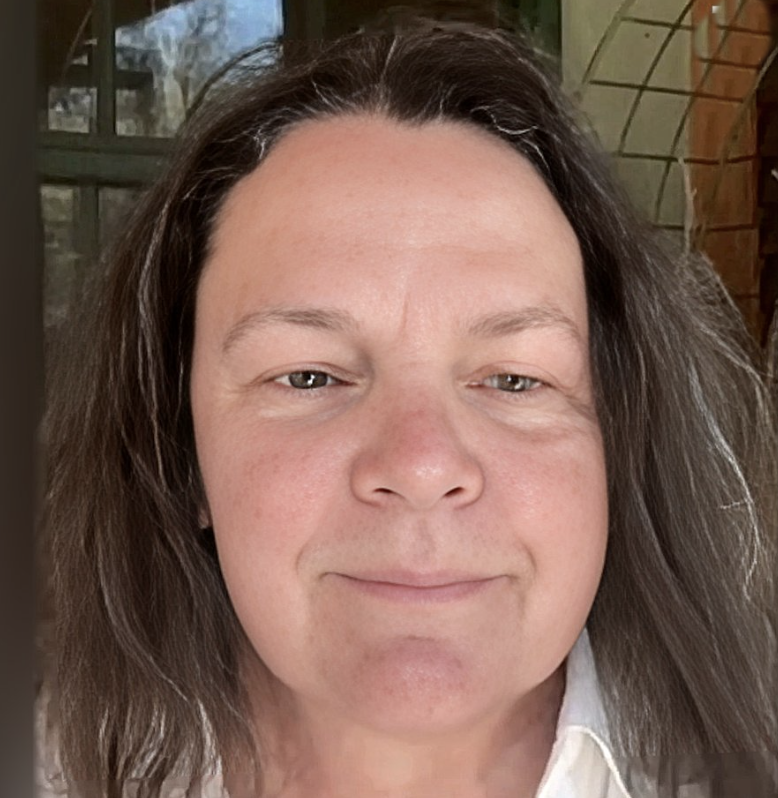
Kate Scott is a southeastern Arizona wildlife advocate, naturalist, writer, and trained wildlife rehabilitator. She and her husband, artist and filmmaker Tony Heath, care for Birdland Ranch Wildlife Conservation Area in the Huachuca Mountains, where they restore habitat and maintain nest boxes for native birds. Scott’s advocacy has included protecting the San Pedro River, opposing wildlife-killing contests, preserving cross-border wildlife corridors, and organizing the Jaguar Rising campaign. Her work often combines conservation with art, poetry, music, and ceremony—an approach she calls “celebratory activism.” She is currently helping lead the campaign to protect Lochiel’s surviving ancient cottonwood from border-wall construction.