Episodes
37
Dec. 24, 2024
S3E37: BLM Cozies Up To Renewable Energy Companies
Chris Clarke talks with journalist Jimmy Tobias about apparent coziness between Nevada BLM staff and renewable-energy interests, focusing on Greenlink transmission projects, environmental impacts, and concerns from conservationists and the National Park Service.
Guest: Jimmy Tobias
36
Dec. 18, 2024
S3E36: Laughing Coyotes and Saguaro Dreams: An Unlikely Desert Awakening
Chris Clarke reflects on how the desert became central to his identity, reviews a year of reporting across North American deserts, and connects personal attachment to the continuing work of ecological advocacy.
35
Nov. 26, 2024
S3E35: Reimagine, Rebuild, Resist: Creating the World We Want Together
Chris Clarke reflects on the 2024 election, traces longer political currents, and argues that desert protection requires grassroots organizing, community involvement, and a positive vision of the world advocates want to build.
34
Nov. 19, 2024
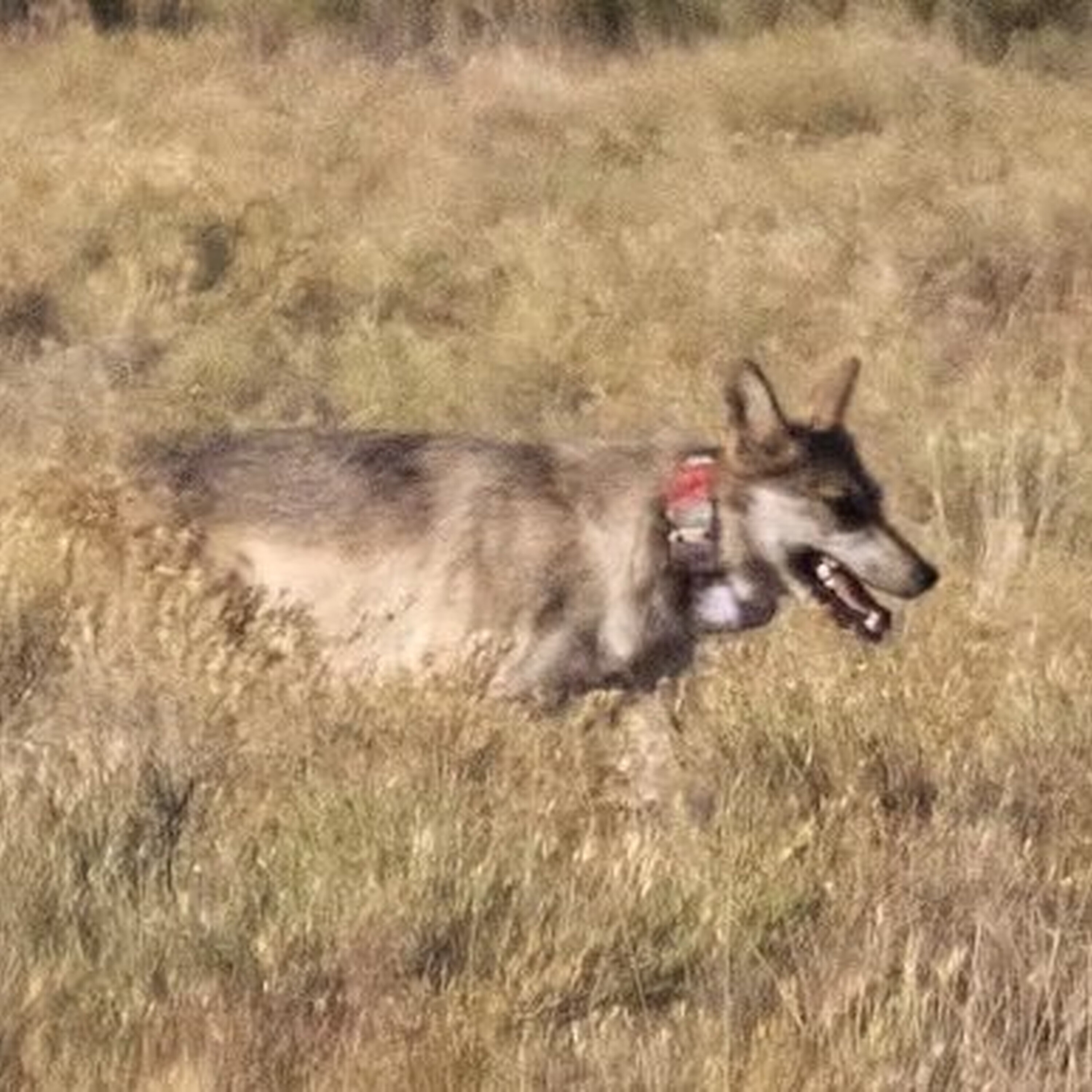
S3E34: Hope the Mexican Wolf: A Tale of Survival and Loss in Northern Arizona
Chris Clarke talks with Greta Anderson about Hope, a Mexican wolf whose journey into northern Arizona exposed policy barriers to natural dispersal and the larger challenges facing wolf recovery.
Guest: Greta Anderson
33
Nov. 12, 2024
S3E33: Dr. Naomi Fraga on the Frontlines of Botanical Conservation
Chris Clarke talks with botanist Naomi Fraga about Tiehm's buckwheat at Rhyolite Ridge and Tecopa bird's beak, exploring how rare endemic plants collide with lithium mining and rapid industrialization.
Guest: Naomi Fraga
32
Nov. 5, 2024
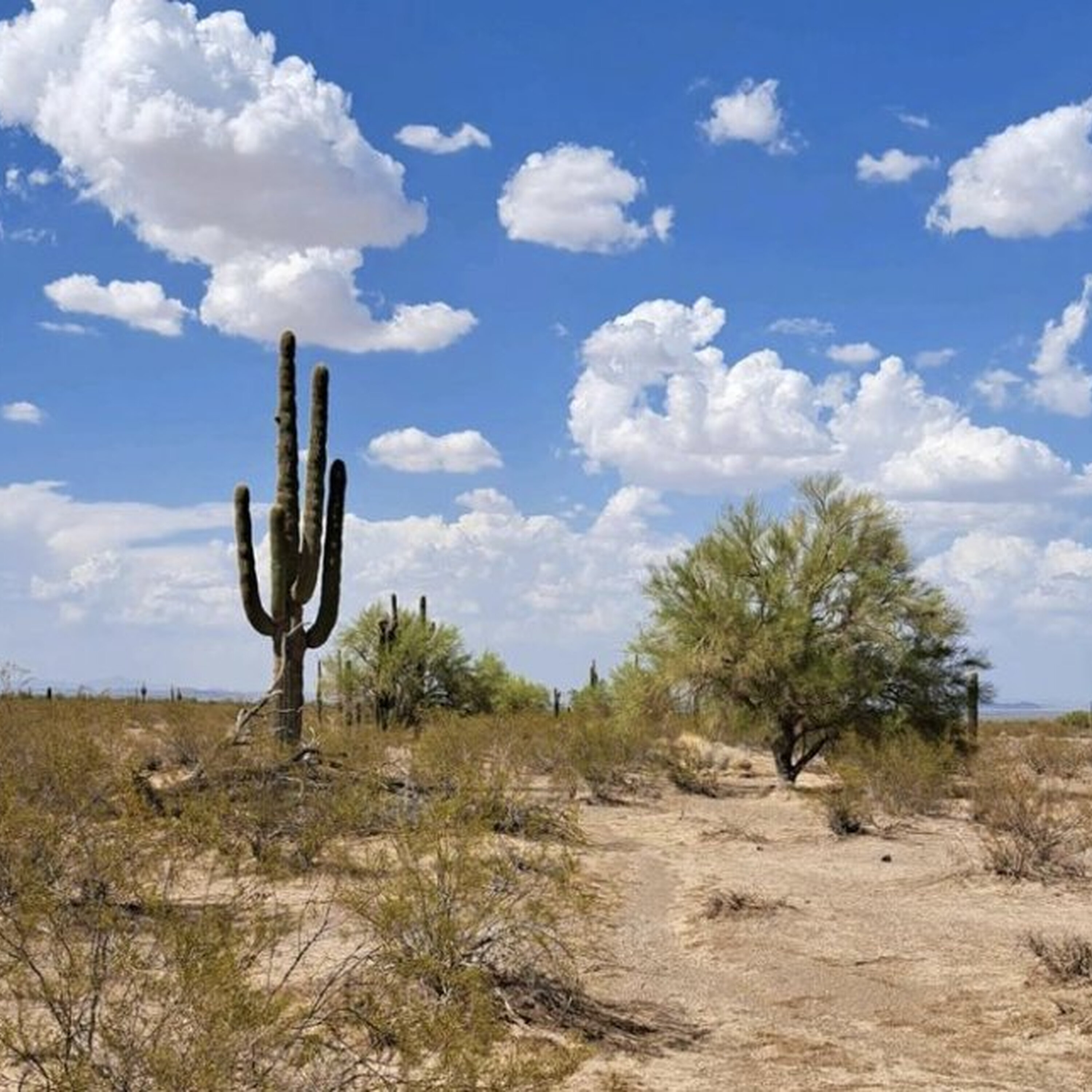
S3E32: Vote, Engage, and Protect Our Desert
Released on Election Day 2024, this episode argues that voting is only one part of protecting North America's deserts and calls for sustained public engagement, advocacy, and participation in environmental decisions.
31
Oct. 22, 2024
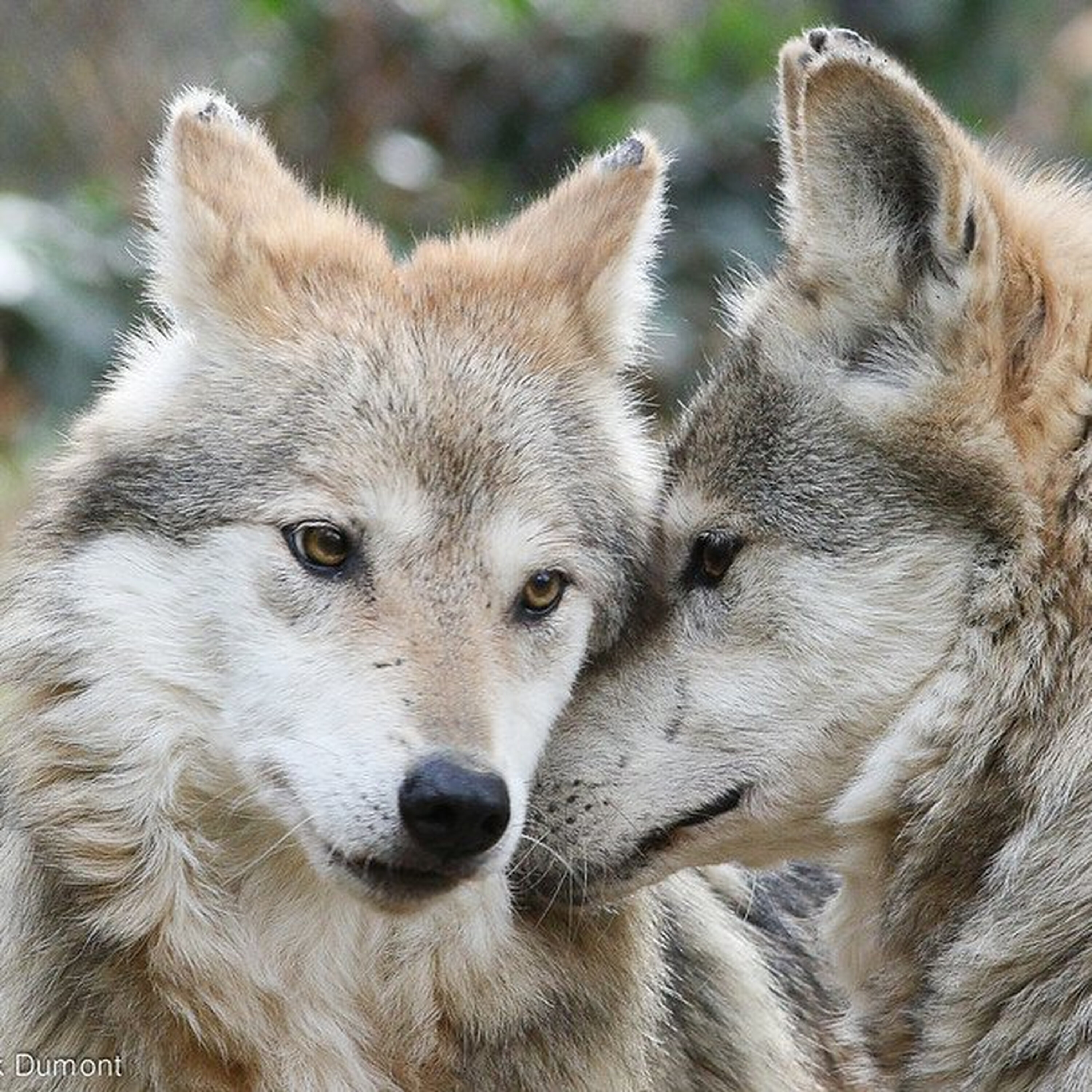
S3E31: Return of the Lobo: Restoring Texas' Mexican Wolves
Mexican wolves once ranged into Texas before persecution and conflicts with livestock helped eliminate them from the state. Chris Clarke talks with Rick LoBello, Erin Hunt, and Philip Sozanski about efforts to restore the lobo to suitable West Texas habitat. They explore the wolf's ecological and historical importance, persistent cultural fears surrounding predators, and efforts to build support among ranchers, landowners, and other residents. Their case for restoration rests not just on saving wolves, but on returning an important missing species to the Chihuahuan Desert ecosystem.
30
Oct. 15, 2024
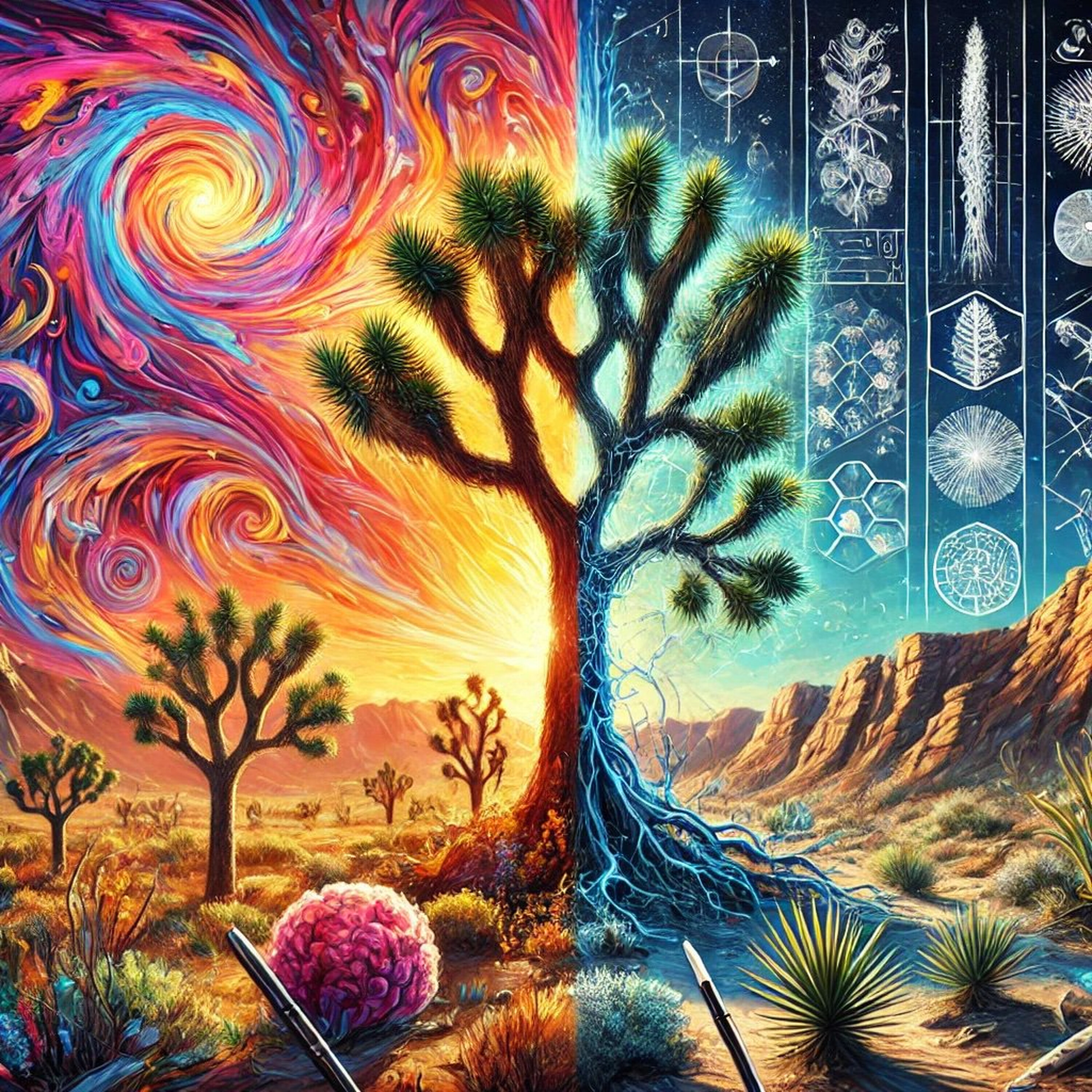
S3E30: Exploring the Art and Science of Joshua Trees
Chris Clarke talks with Sant Khalsa and Juniper Harrower about the book Desert Forest: Life with Joshua Trees, bringing together artists, writers, and scientists to explore Joshua-tree ecology and culture.
Guests: Juniper Harrower , Sant Khalsa

29
Oct. 8, 2024
S3E29: Barbed Wire and Border Walls: The Unseen Cost of Fragmented Habitats
Chris Clarke talks with Ben Goldfarb about road ecology: roadkill, habitat fragmentation, altered hydrology, wildlife crossings, tortoises, pronghorn, and the far-reaching ecological effects of transportation infrastructure.
Guest: Ben Goldfarb

28
Sept. 24, 2024
S3E28: There Ain't No Big Faucet: Water Politics with the Great Basin Water Network
Chris Clarke talks with Kyle Roerink about Colorado River over-allocation, proposed dams and diversions, direct lithium extraction in Green River, and difficult choices facing Lakes Mead and Powell.
Guest: Kyle Roerink
27
Sept. 18, 2024
S3E27: Los Alamos's Dark Legacy: Plutonium Pollution in Plain Sight
Chris Clarke talks with chemist Michael Ketterer about plutonium contamination in Acid Canyon, isotopic tracing, downstream risks, environmental justice, and the enduring consequences of Los Alamos's nuclear legacy.
Guest: Michael E. Ketterer
26
Sept. 3, 2024
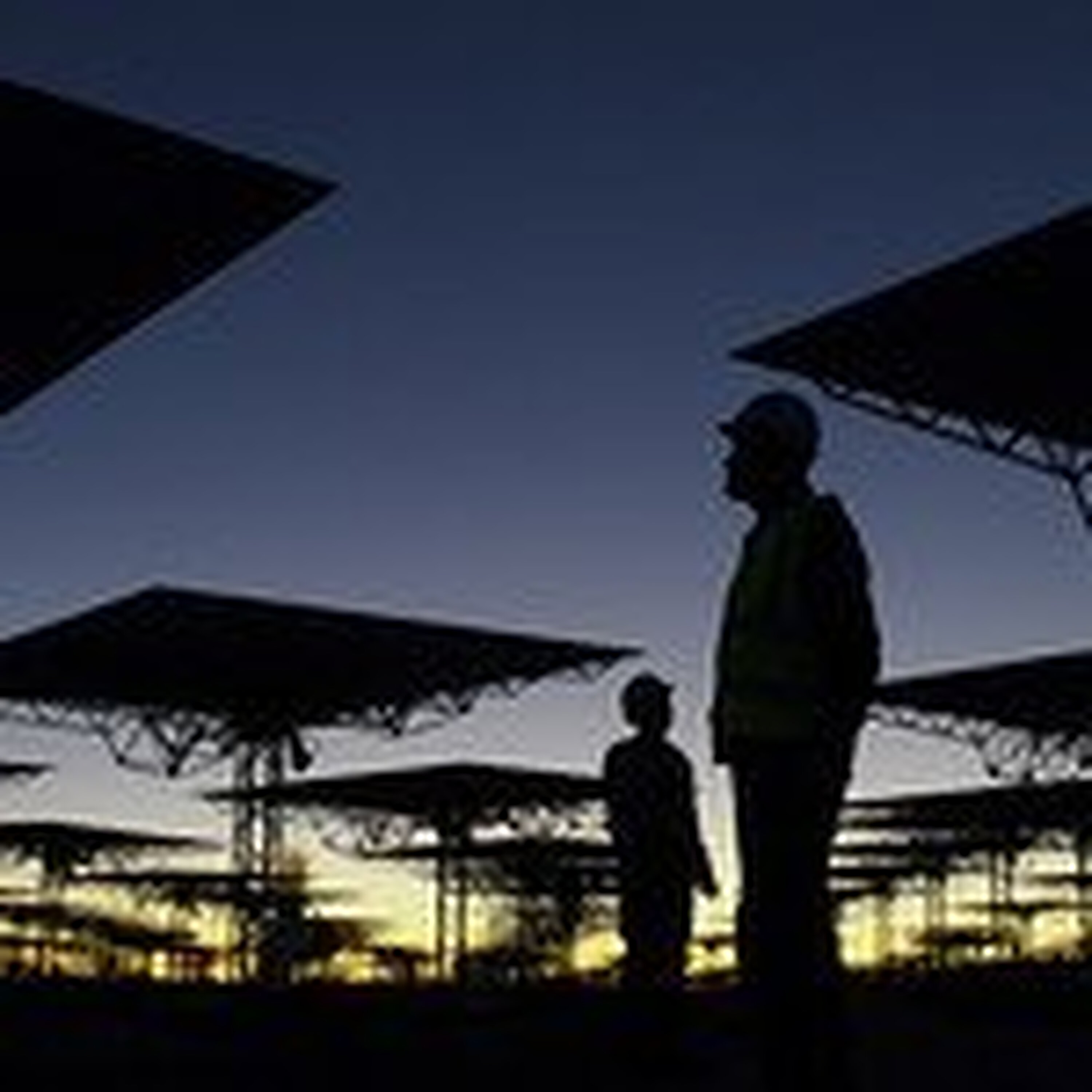
S3E26: The New Western Solar Plan: A Disaster for Desert Ecosystems?
Chris Clarke examines the final Western Solar Plan and argues that fighting climate change shouldn't require sacrificing intact desert ecosystems, pointing to parking lots and disturbed land as alternatives.
25
Aug. 27, 2024
S3E25: Utah's Public Lands Lawsuit Sparks Controversy
Chris Clarke talks with public lands journalist Jonathan Thompson about Utah's lawsuit seeking greater state control over federal lands and what it could mean for development, recreation, conservation, and NEPA.
Guest: Jonathan Thompson
24
Aug. 20, 2024
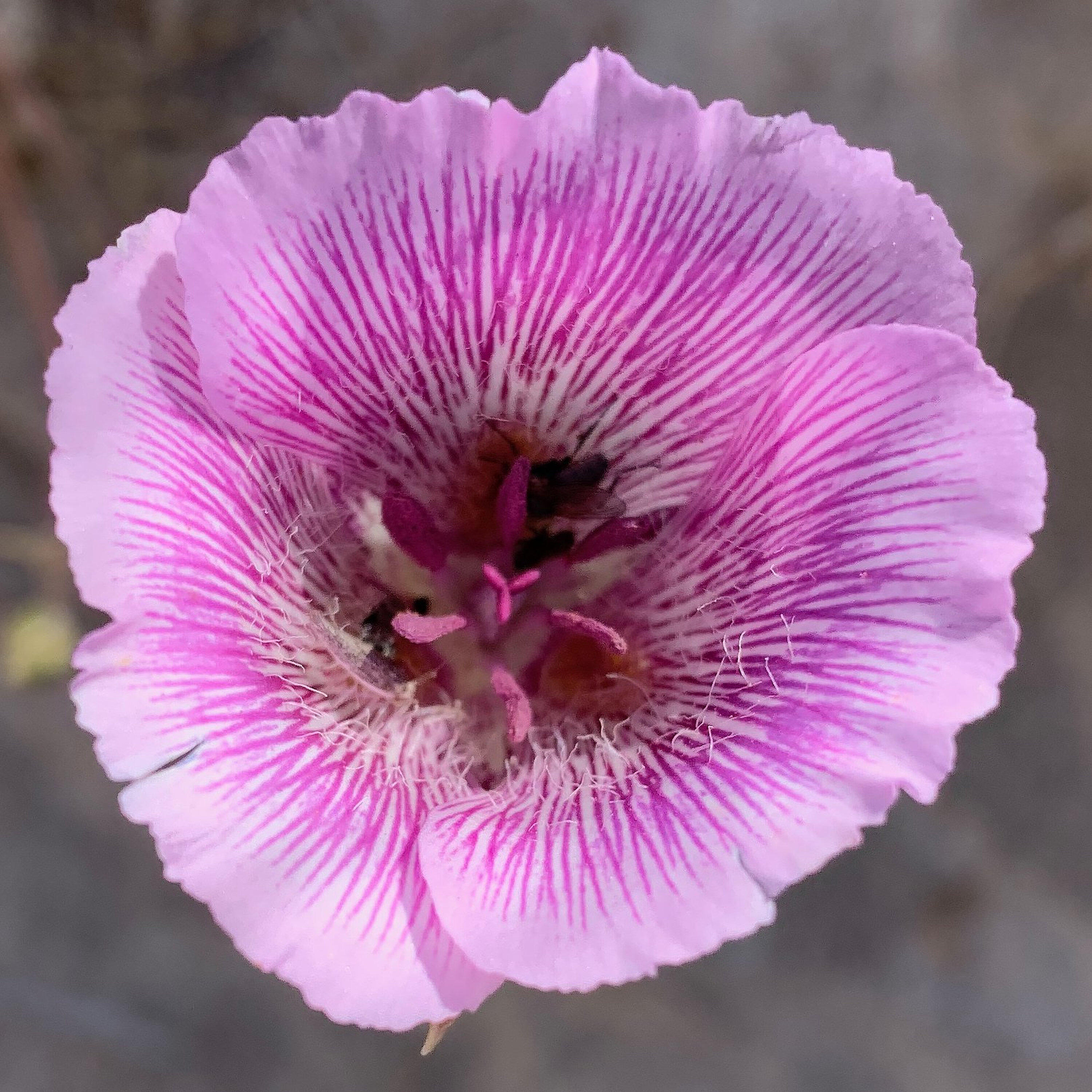
S3E24: The Fight to Protect the Pahrump Valley
Utility-scale solar development can carry substantial ecological costs when projects are built across intact desert habitat. Chris Clarke talks with Kevin Emmerich of Basin and Range Watch about a proposal to protect thousands of acres in Nevada's Pahrump Valley as an Area of Critical Environmental Concern. They discuss threats to desert tortoises, habitat connectivity, and the cumulative effects of industrial development—and how an ACEC designation could give federal land managers another tool for directing damaging projects away from sensitive landscapes.
Guest: Kevin Emmerich

23
Aug. 7, 2024
S3E23: Moonlit Deserts and Lost Love
In a departure from the show's usual reporting, Chris Clarke reads from Walking with Zeke, recalling a moonlit camping trip with his dog in Red Rock Canyon. The essay explores the physical and emotional bond between dogs and humans, the persistence of memory, and the ways particular desert landscapes become inseparable from those we have loved within them. It's a quiet meditation on companionship, place, loss, and the connections between caring for the natural world and caring for those we consider family.
22
July 24, 2024
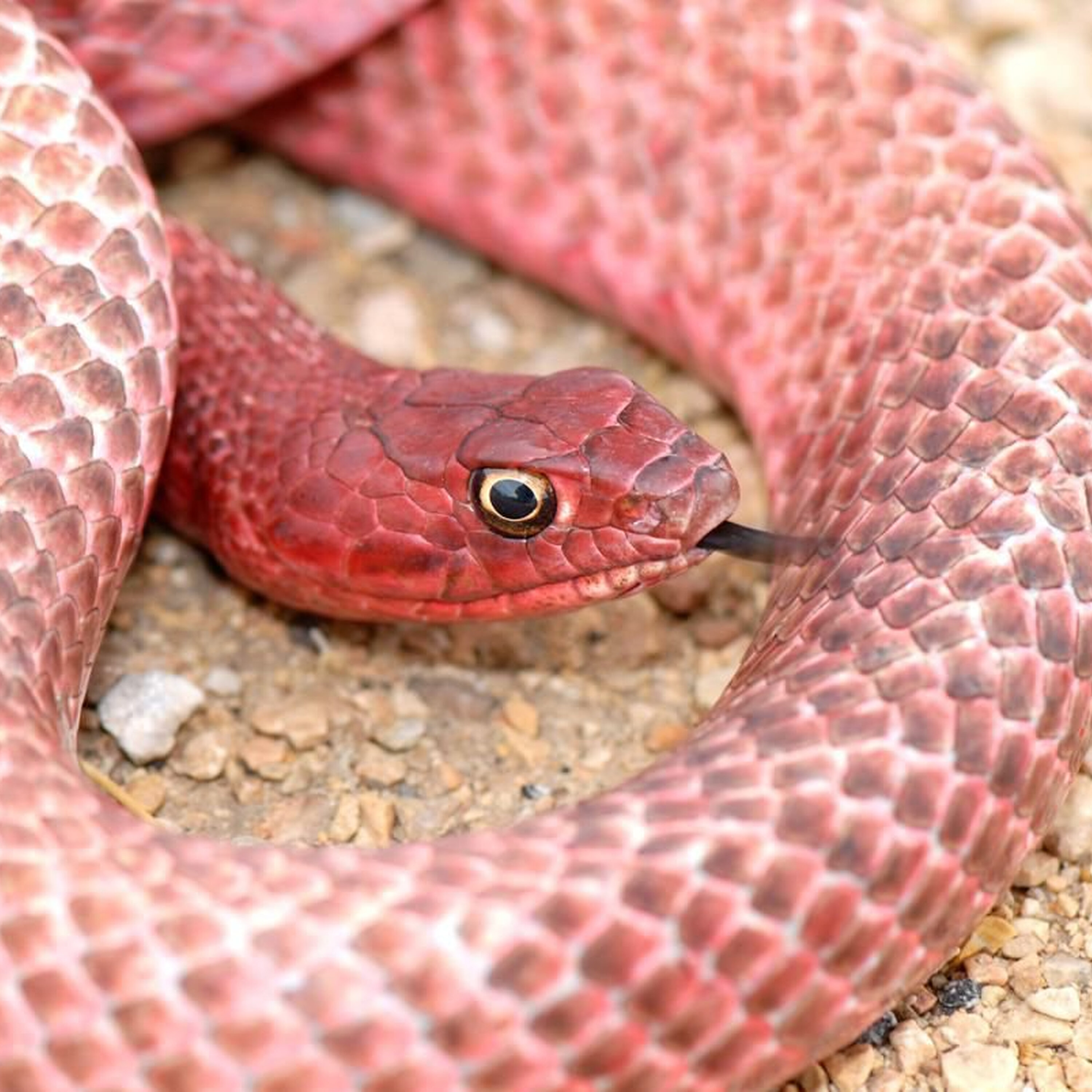
S3E22: Debunking Snake Misconceptions
Desert snakes inspire fascination, fear, and a remarkable amount of misinformation. Chris Clarke and Lucas Basulto trade snake stories while examining some of the misconceptions surrounding these important reptiles. They discuss snake behavior, bites and appropriate responses, road mortality, habitat protection, and how to coexist safely with snakes rather than treating every encounter as a threat. Along the way, they offer resources for identifying snakes throughout the desert Southwest and explain why these often-maligned animals matter to desert ecosystems.
Guest: Luke Basulto
21
July 16, 2024
S3E21: The War on Facts: Environmental Protection after Chevron
For decades, the Chevron doctrine gave federal agencies substantial latitude to interpret ambiguous laws passed by Congress. The Supreme Court's decision to overturn that doctrine shifts more authority over those interpretations to federal judges. Chris Clarke explains what Chevron deference was, why its demise matters, and how the change could affect environmental regulation and the federal agencies responsible for protecting wildlife, clean water, public lands, and other natural resources.
20
June 26, 2024
S3E20: Desert Protection versus Climate Capitalism: Can we have both?
Must protecting the climate require sacrificing intact desert landscapes? Chris Clarke examines that argument through the controversy over Rover Critical Minerals' proposed lithium exploration near Ash Meadows and Amargosa Valley. After a company representative suggested mining opponents might be aligned with fossil-fuel interests, Chris challenges the assumption that opposing destructive renewable-energy development means opposing climate action. The episode asks a larger question: can society address climate change without simply reproducing the extractive economic model that helped create the crisis?
19
June 18, 2024
S3E19: Oh, those dark desert skies
Darkness is an essential part of the desert environment. Chris Clarke talks with photographer Mitch Miller and conservationist Steve Bardwell about protecting the night sky from artificial light. They explore the effects of light pollution on wildlife and human health, the beauty and challenges of night-sky photography, and San Bernardino County's efforts to control light trespass. They also offer practical ways residents can reduce unnecessary outdoor lighting while improving visibility and preserving one of the desert's increasingly scarce natural resources: darkness.
Guests: Steve Bardwell , Mitch Miller
18
June 11, 2024
S3E18: Don't Die Today! Staying Safe in Desert Heat
Surviving and thriving in desert heat require a combination of knowledge, preparation, and vigilance. Understanding the immediate dangers, recognizing early symptoms of heat injuries, and taking practical precautions can help ensure safety for everyone venturing into these extreme conditions. By sharing these insights, we can better equip ourselves and our communities to handle the increasing temperatures and enjoy the desert’s unique beauty responsibly. Become a desert defender!: https://90m...
17
June 4, 2024
S3E17: Submerged No More! Restoring Chemehuevi Land and Traditions
Along the Colorado River, Daniel Leivas and his family are restoring traditional Chemehuevi agriculture on land profoundly altered by twentieth-century water development. Leivas, Southern Paiute-Chemehuevi from Lake Havasu, talks with Chris Clarke about rebuilding a farm, reviving ancestral growing practices, working with wildlife, and reconnecting land, water, culture, and spirit. Their conversation also examines the larger history of water projects that inundated or transformed Native lands—and the resilience involved in bringing traditional relationships with those landscapes back to life.
Guest: Daniel Leivas
16
May 21, 2024
S3E16: Ash Meadows Faces New Mining Threat
Ash Meadows National Wildlife Refuge protects one of the world's most remarkable concentrations of desert springs and endemic species, but a new mining proposal raises concerns about the groundwater sustaining them. Mason Voehl of the Amargosa Conservancy returns to discuss lithium exploration proposed by Rover Critical Minerals and the campaign to stop it. Chris and Mason examine the mining claims, the initial pause secured by conservation groups, and why industrial activity near Ash Meadows could have consequences extending far beyond the footprint of a mine.
Guest: Mason Voehl
15
May 15, 2024
S3E15: The Surprising Longevity of Desert Plants
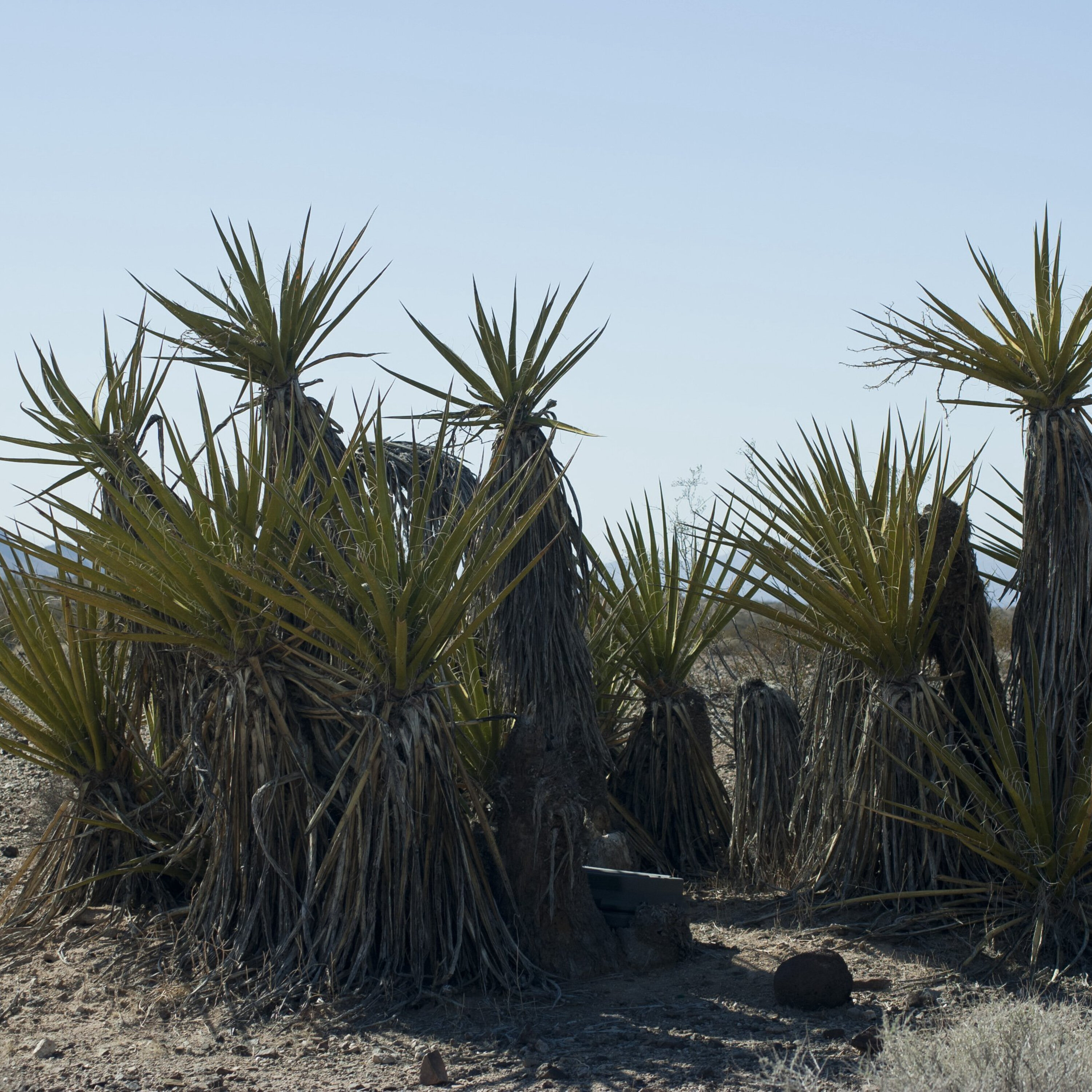
Desert plants often look timeless, and some nearly are. Chris Clarke explores the astonishing longevity of desert vegetation, from the roughly 11,700-year-old King Clone creosote ring to chollas and Mojave yuccas that can survive far longer than their appearance suggests. He also explains how researchers estimate plant ages when tree rings aren't available, using historical photographs, repeated observations, and long-term ecological studies. The result changes the way we see seemingly ordinary plants: some desert landscapes contain living organisms whose histories stretch back centuries or millennia.
14
May 7, 2024
S3E14: Saving El Paso's Rio Bosque Wetlands
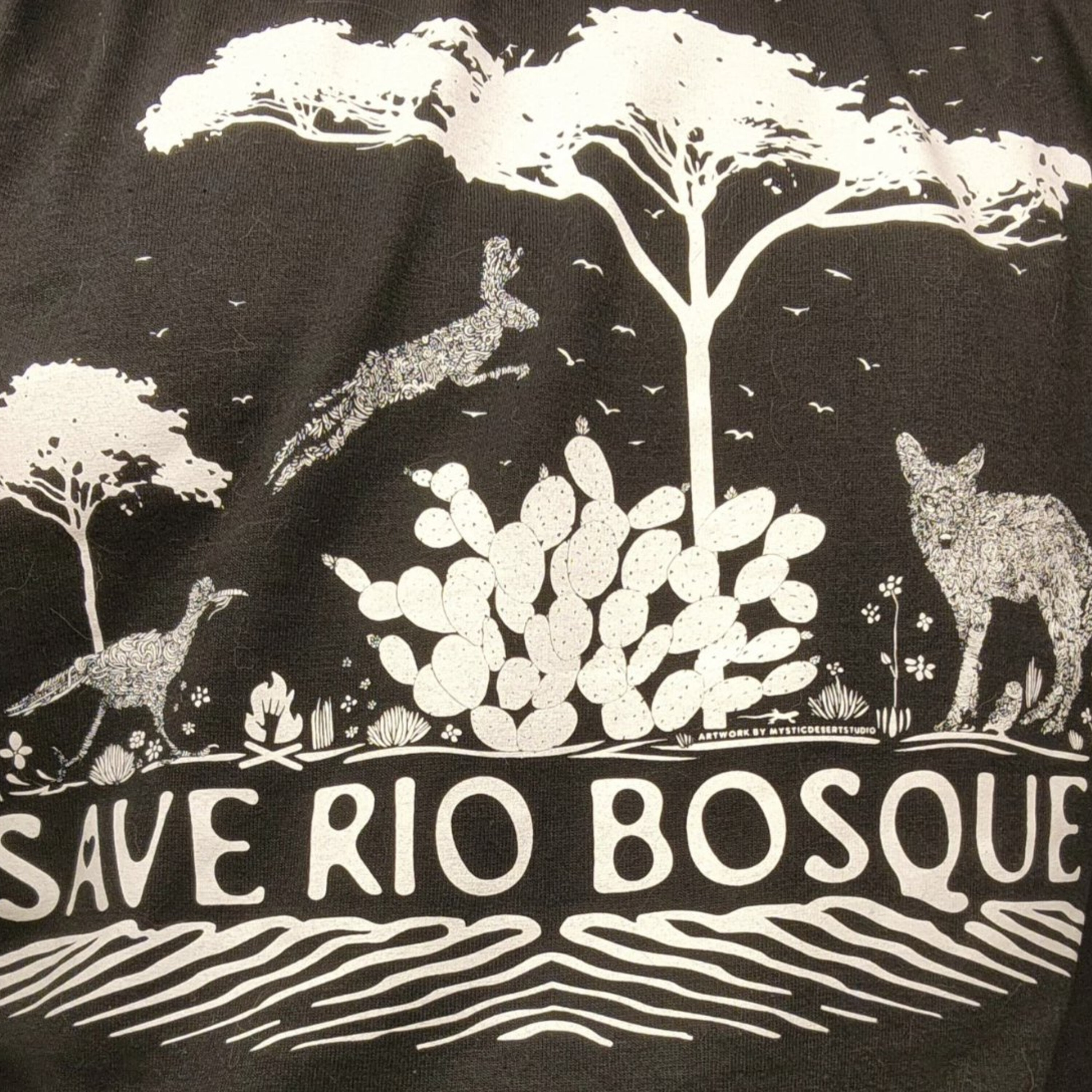
Along the Rio Grande in El Paso, Rio Bosque Wetlands Park provides a rare riparian refuge within the Chihuahuan Desert—and a vision of what ecological restoration can accomplish. Chris Clarke talks with conservationist Jon Rezendes about threats from proposed highway development, community efforts to protect the wetlands, and the extraordinary diversity of birds and other wildlife that depend on them. Their conversation expands into a larger vision of rewilding the Rio Grande Valley, restoring ecological connections, and perhaps someday welcoming Mexican wolves back to the region.
Guest: Jon Rezendes