Episodes
16
Dec. 25, 2023
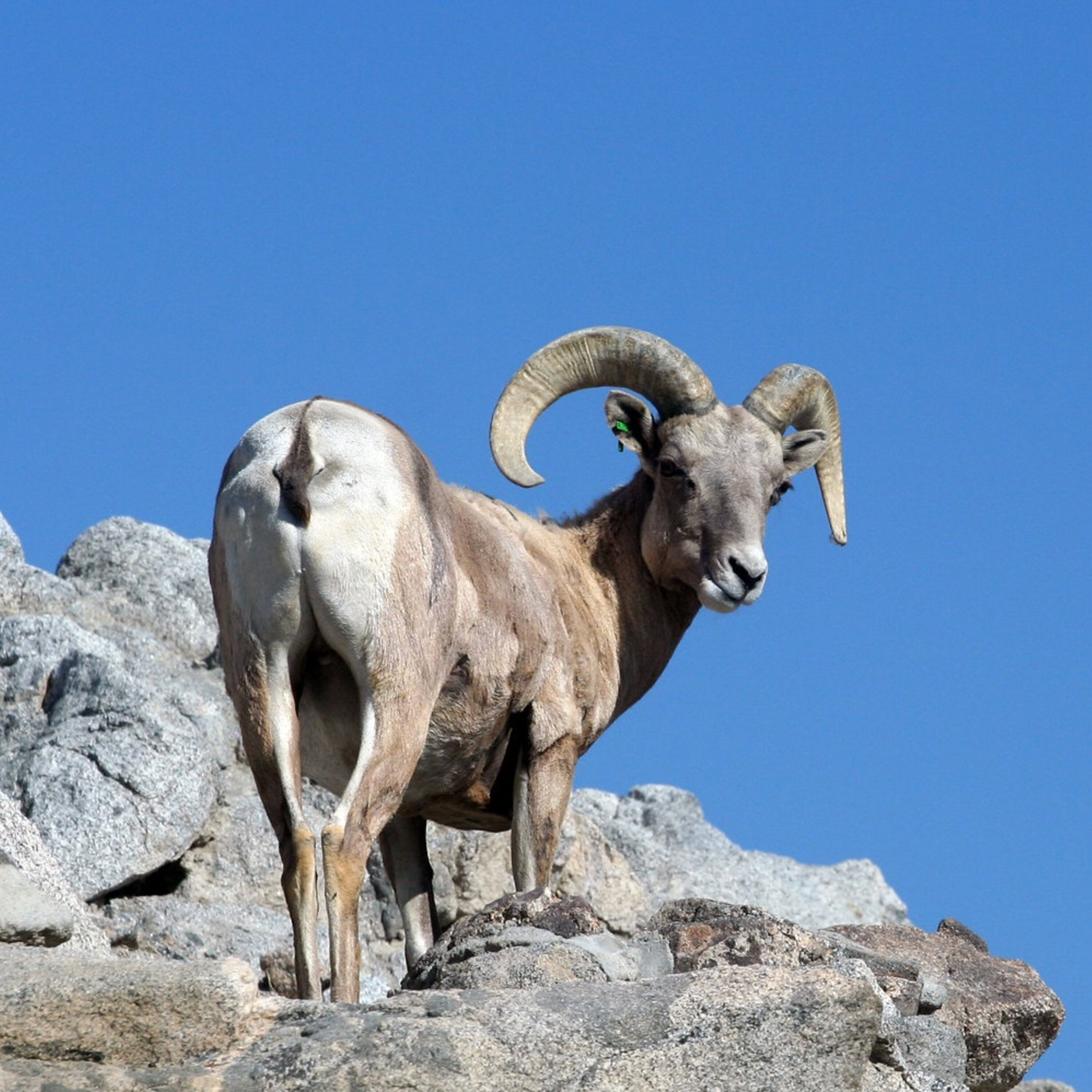
S2E16: Protecting Desert Bighorn Sheep from Habitat Loss and Disease
Desert bighorn sheep are among the Southwest's most iconic animals, but their future depends on protecting habitat and reducing threats such as disease transmission from domestic livestock. This episode explores the biology of these remarkable climbers, the conservation challenges they face, and the efforts underway to ensure they remain part of the desert landscape for generations to come.
Guests: Christina Aiello, PhD. , Louise Mathias

15
Nov. 27, 2023
S2E15: On Giving Tuesday, Make a Difference for the Desert
Independent journalism and grassroots conservation both depend on engaged communities. This special Giving Tuesday episode explains how listener support helps sustain 90 Miles from Needles and the Desert Advocacy Media Network while reflecting on why independent voices remain essential to protecting the deserts of the American Southwest.
14
Nov. 8, 2023
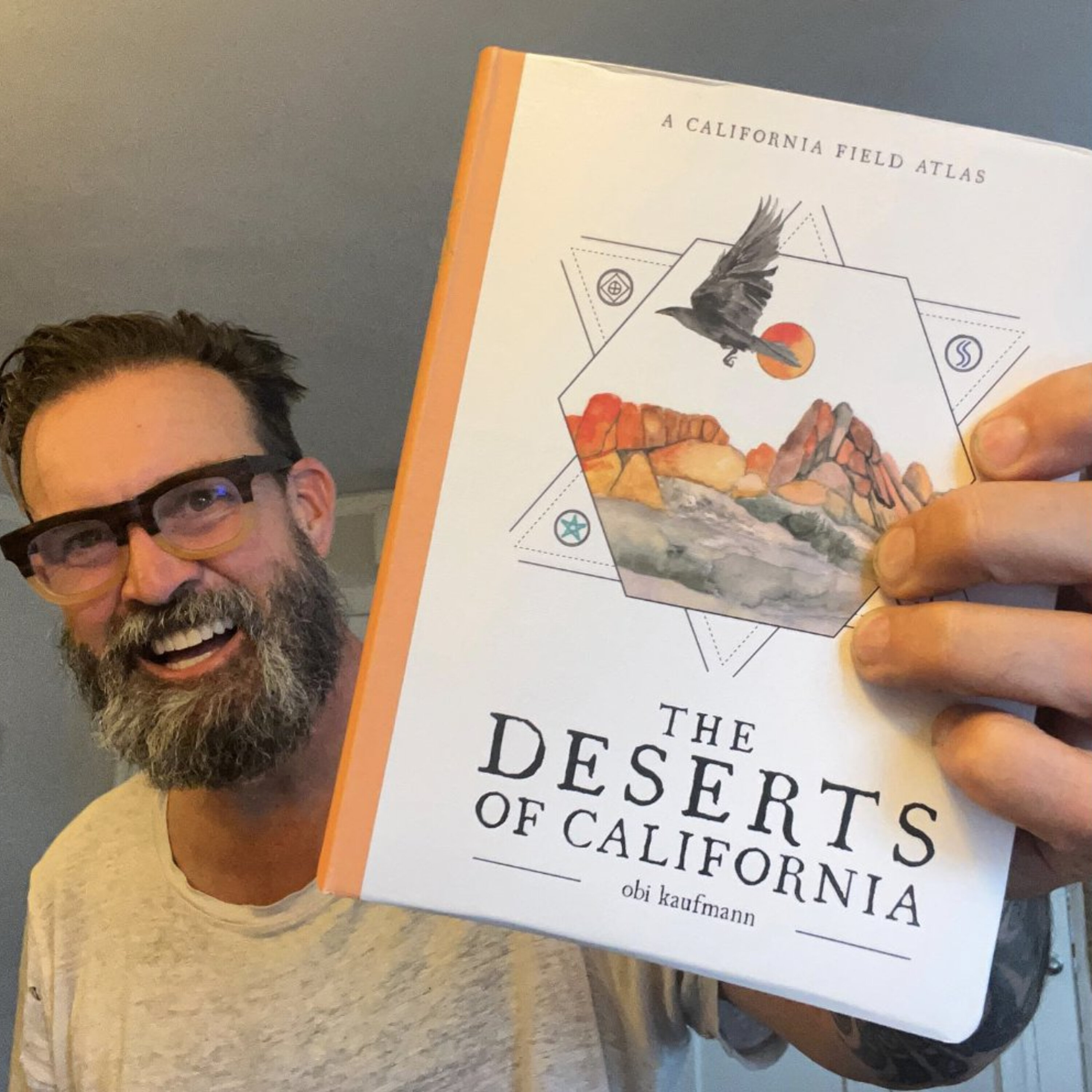
S2E14: Obi Kaufmann and The Deserts of California
Artist, naturalist, and bestselling author Obi Kaufmann joins the podcast to discuss California's deserts, public lands, and the stories maps can tell. Together we explore how art, science, and conservation can help people see familiar landscapes with fresh eyes—and inspire them to protect what they discover.
Guest: Obi Kaufmann
13
Oct. 23, 2023
S2E13: Dealing With Loss
Protecting the desert can be emotionally difficult work. This deeply personal episode reflects on grief, disappointment, and resilience in conservation, exploring how people continue fighting for the landscapes they love even after setbacks and losses. It's a conversation about hope as much as hardship.
Guest: Rohini Walker
12
Aug. 26, 2023
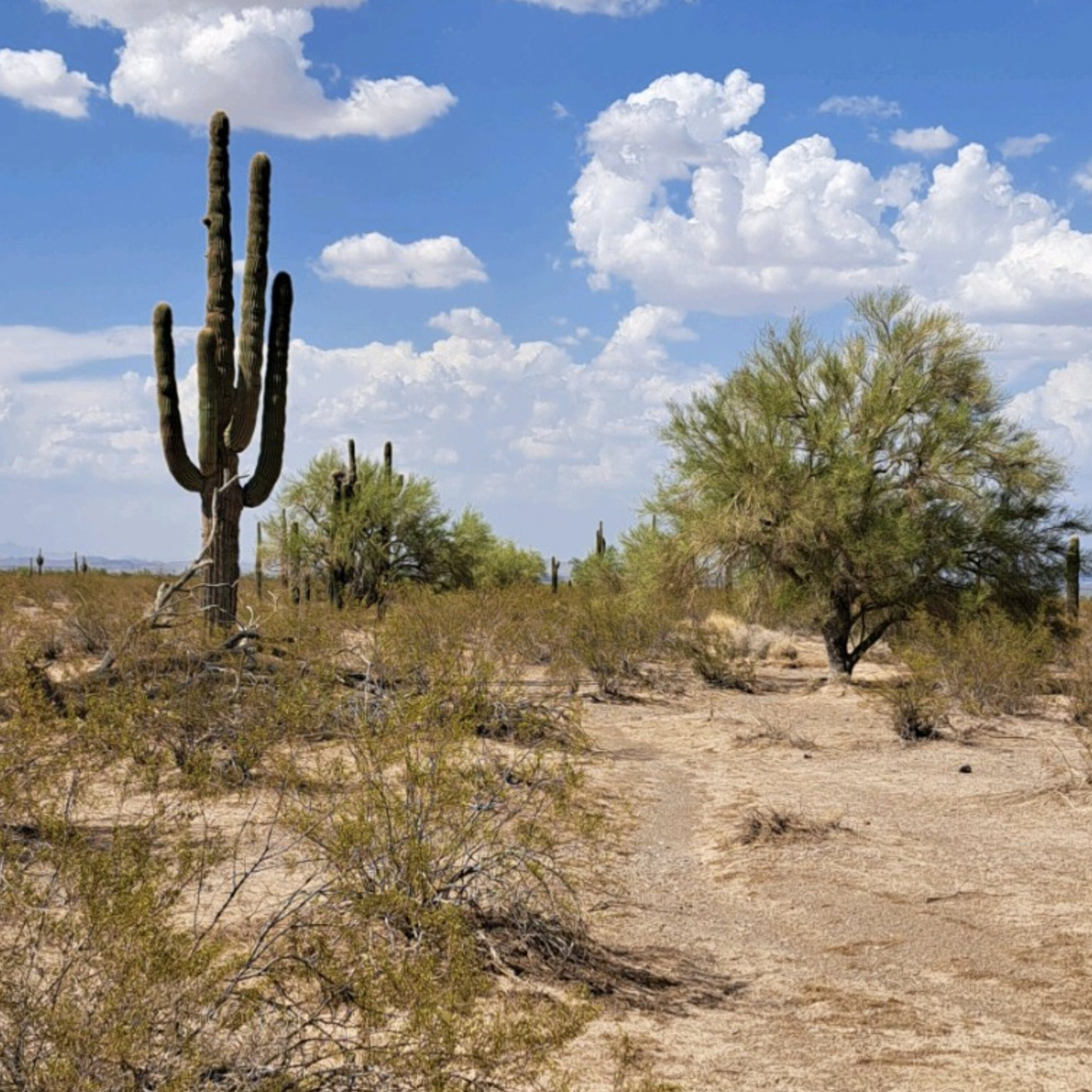
S2E12: The Majestic Saguaro
The saguaro cactus is an enduring symbol of the American Southwest, yet its life story is even more remarkable than its silhouette. This episode explores the biology, ecology, and cultural significance of the Sonoran Desert's iconic giant, revealing how saguaros support countless other species throughout their centuries-long lives.
Guests: Audrey Scheere , Henry Brean
11
July 26, 2023
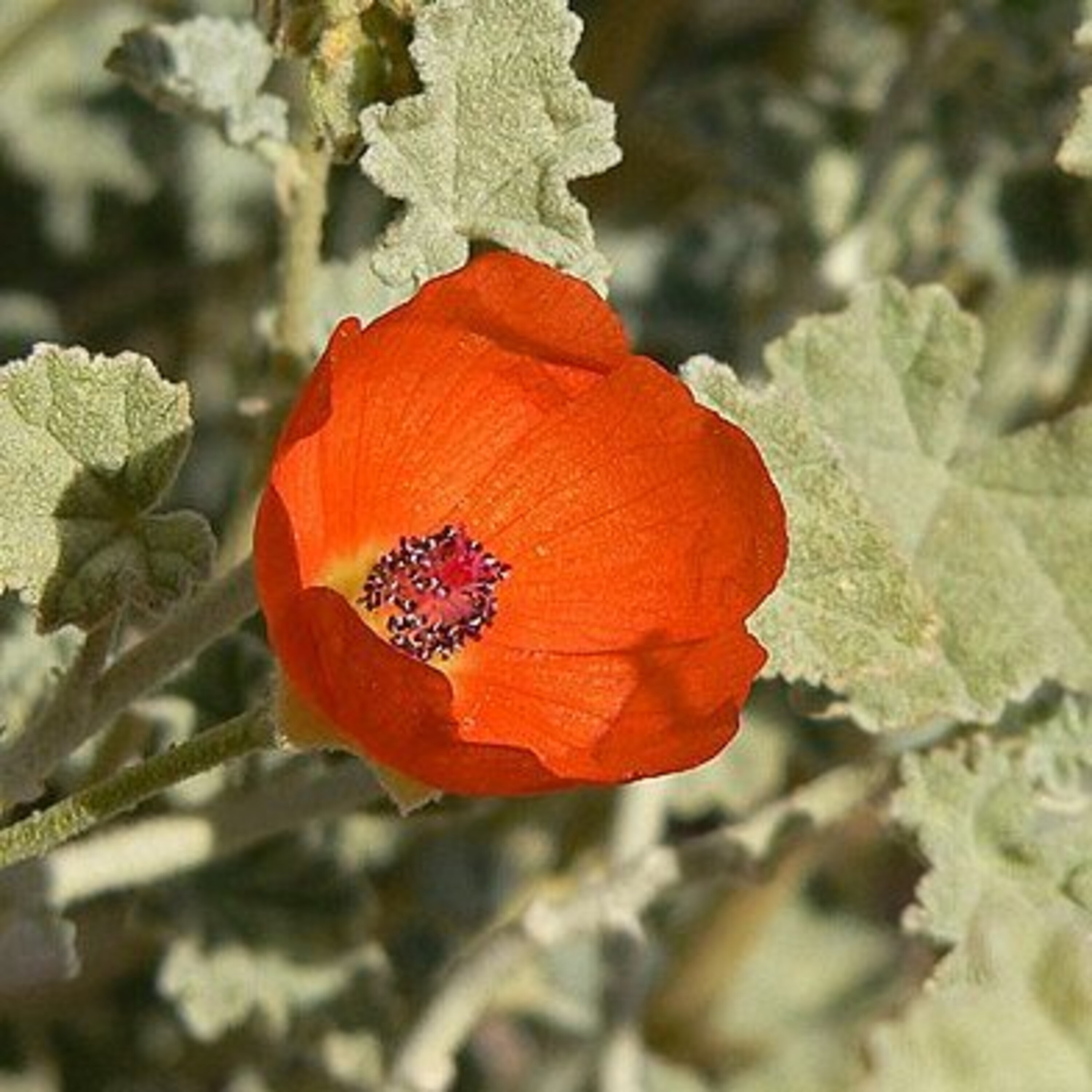
S2E11: Globemallow Binding the Desert's Wounds
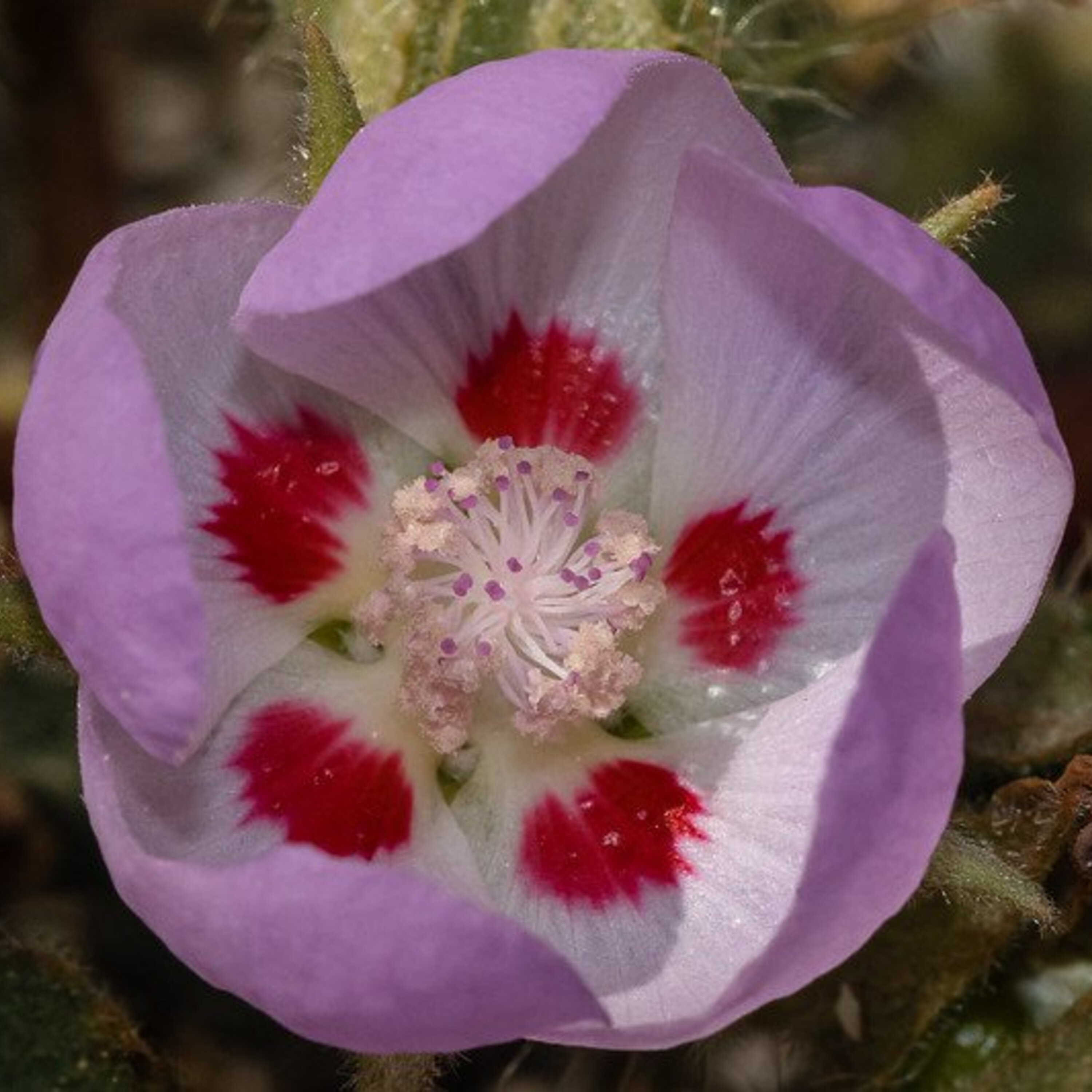
Every spring, brilliant orange globemallow flowers brighten the desert landscape, but their importance goes far beyond their beauty. Learn about one of the Southwest's most recognizable native wildflowers, its role in supporting pollinators and wildlife, and the ways native plants help desert ecosystems recover and thrive.
10
July 11, 2023
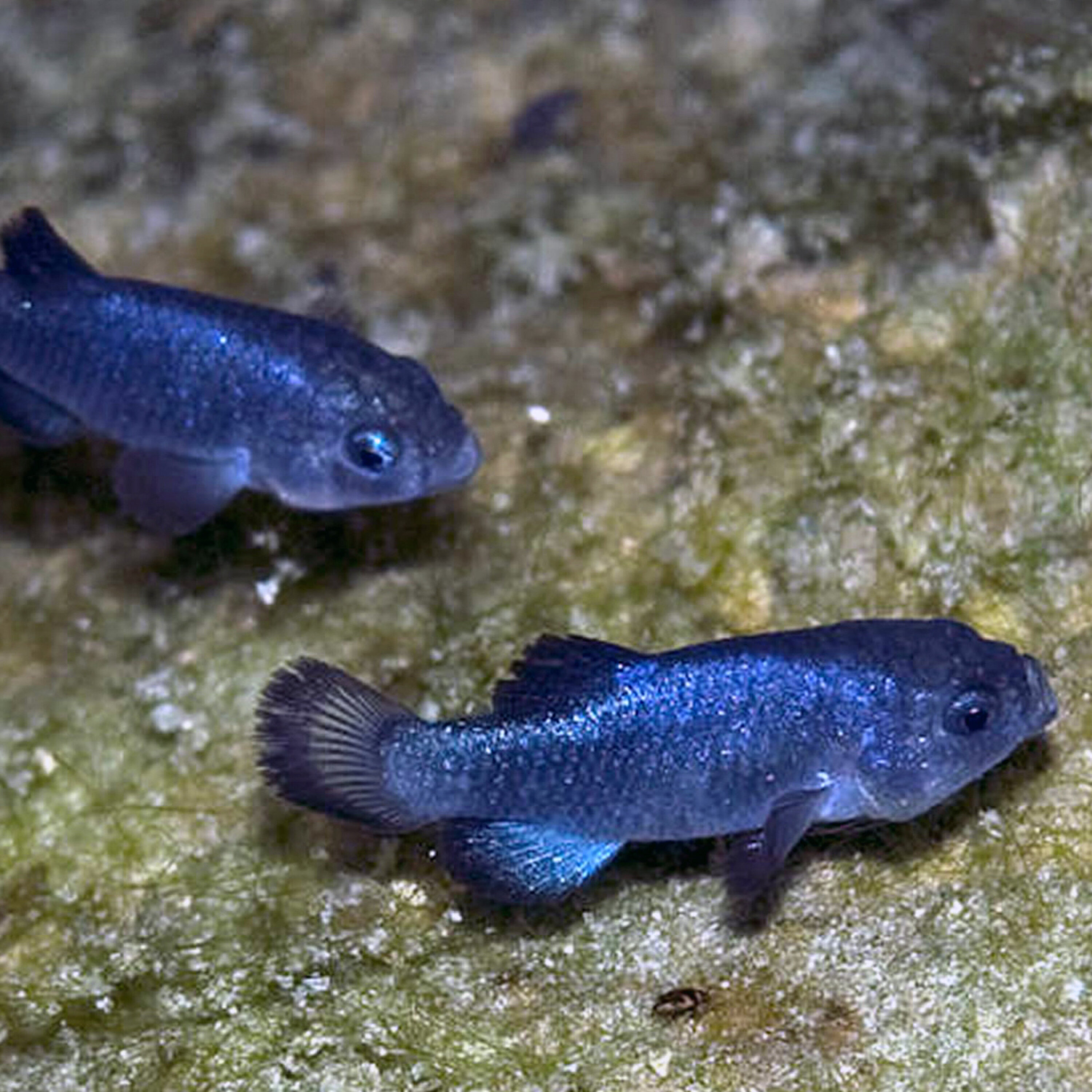
S2E10 Save Ash Meadows!
Ash Meadows National Wildlife Refuge is one of the most extraordinary desert oases on Earth, home to crystal-clear springs and species found nowhere else. This episode explores the refuge's unique ecology, the conservation challenges it faces, and why protecting desert water is vital for preserving biodiversity throughout the Southwest.
Guest: Mason Voehl
9
June 13, 2023
S2E9: What We Got Wrong About the Desert
For generations, Americans have been taught that deserts are barren wastelands waiting to be developed. This episode challenges those misconceptions by exploring what science—and the desert itself—actually tells us about biodiversity, resilience, and why changing our understanding of these landscapes is essential to their protection.
8
May 29, 2023
S2E8: Native Activism in the Desert
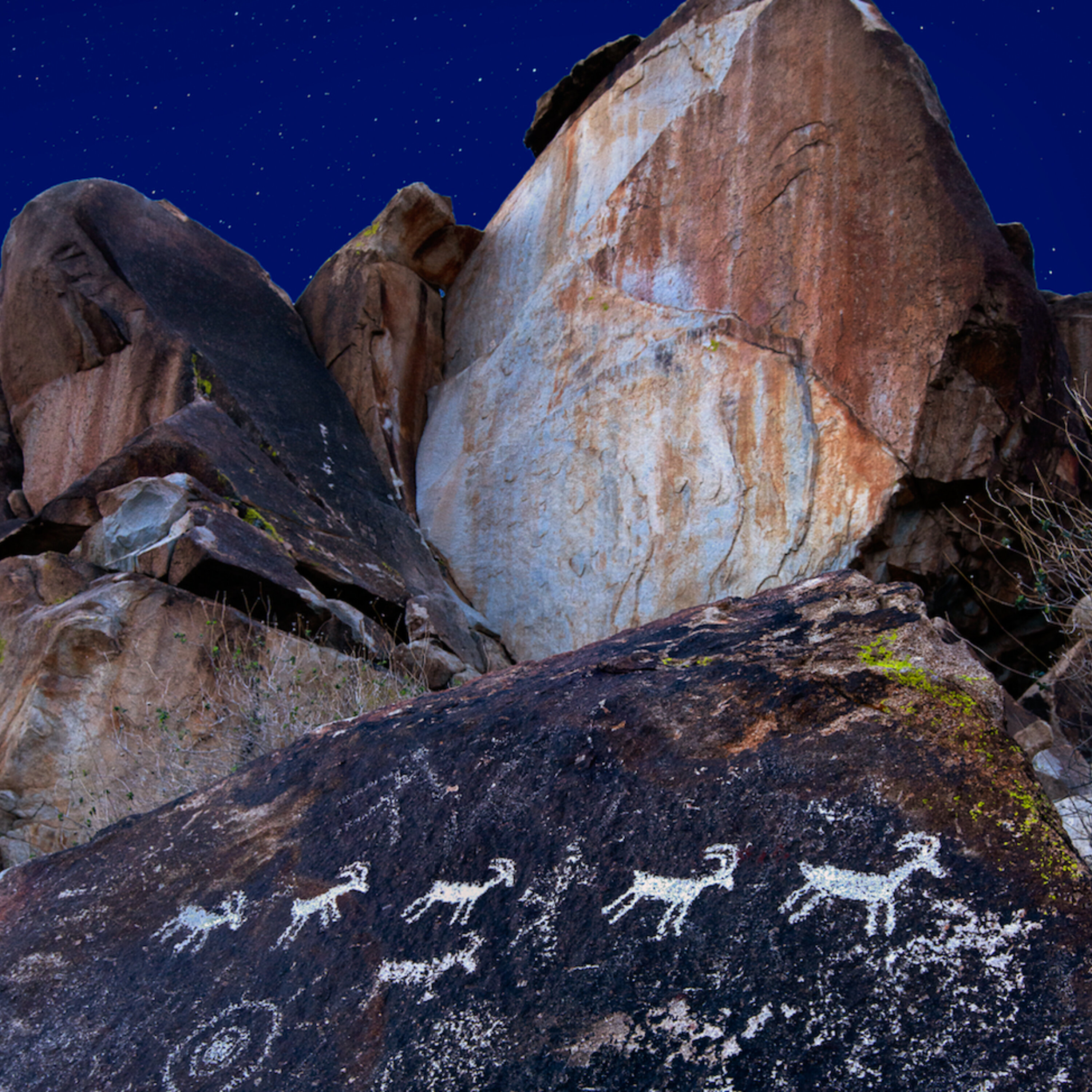
Across the Southwest, Indigenous communities are leading efforts to protect sacred places, public lands, and cultural traditions. In this episode, Native advocates discuss the connections between environmental stewardship, tribal sovereignty, and the enduring relationship between people and the desert landscape.
Guest: Elizabeth Paige
7
April 23, 2023
S2E7: Superb Loom
A desert superbloom is one of nature's most spectacular events, transforming dry landscapes into seas of wildflowers after the right combination of rain and temperature. This episode explores what causes these rare displays, why they don't happen every wet year, and how visitors can experience a superbloom while helping protect the fragile habitats that make it possible.

6
April 9, 2023
S2E6: Border Chronicle: Biden Still Building Trump's Border Wall
Even after the Trump administration ended, border wall construction—and its environmental consequences—continued in unexpected ways. Featuring reporting from The Border Chronicle, this episode examines ongoing border infrastructure projects, their effects on wildlife and desert ecosystems, and the complicated politics surrounding conservation along the U.S.–Mexico border.
5
March 19, 2023
S2E5: The Problems with Desert Solar
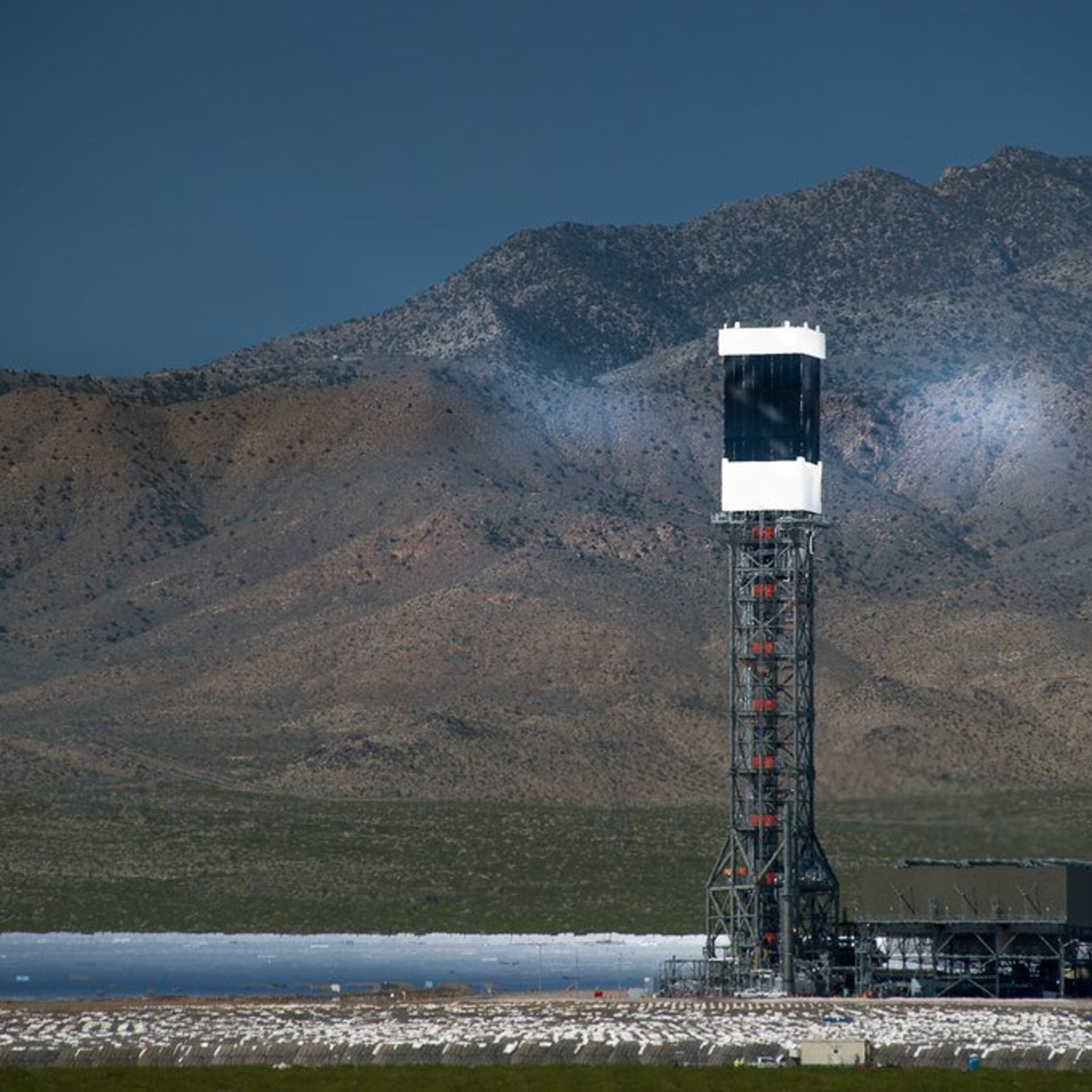
Renewable energy is essential for addressing climate change—but where we build it matters. This episode looks at the ecological costs of poorly sited utility-scale solar projects in the desert and discusses how better planning can protect wildlife, intact ecosystems, and public lands while still accelerating the transition to clean energy.
4
Feb. 18, 2023
S2E4: Protecting Wonder Valley
Wonder Valley is more than a quiet Mojave community—it's a place where residents are working together to defend the character of their desert home. This episode explores the challenges facing Wonder Valley, from industrial development to land-use conflicts, and highlights how local organizing can help protect both communities and the landscapes that surround them.
Guest: Luke Basulto
3
Feb. 2, 2023
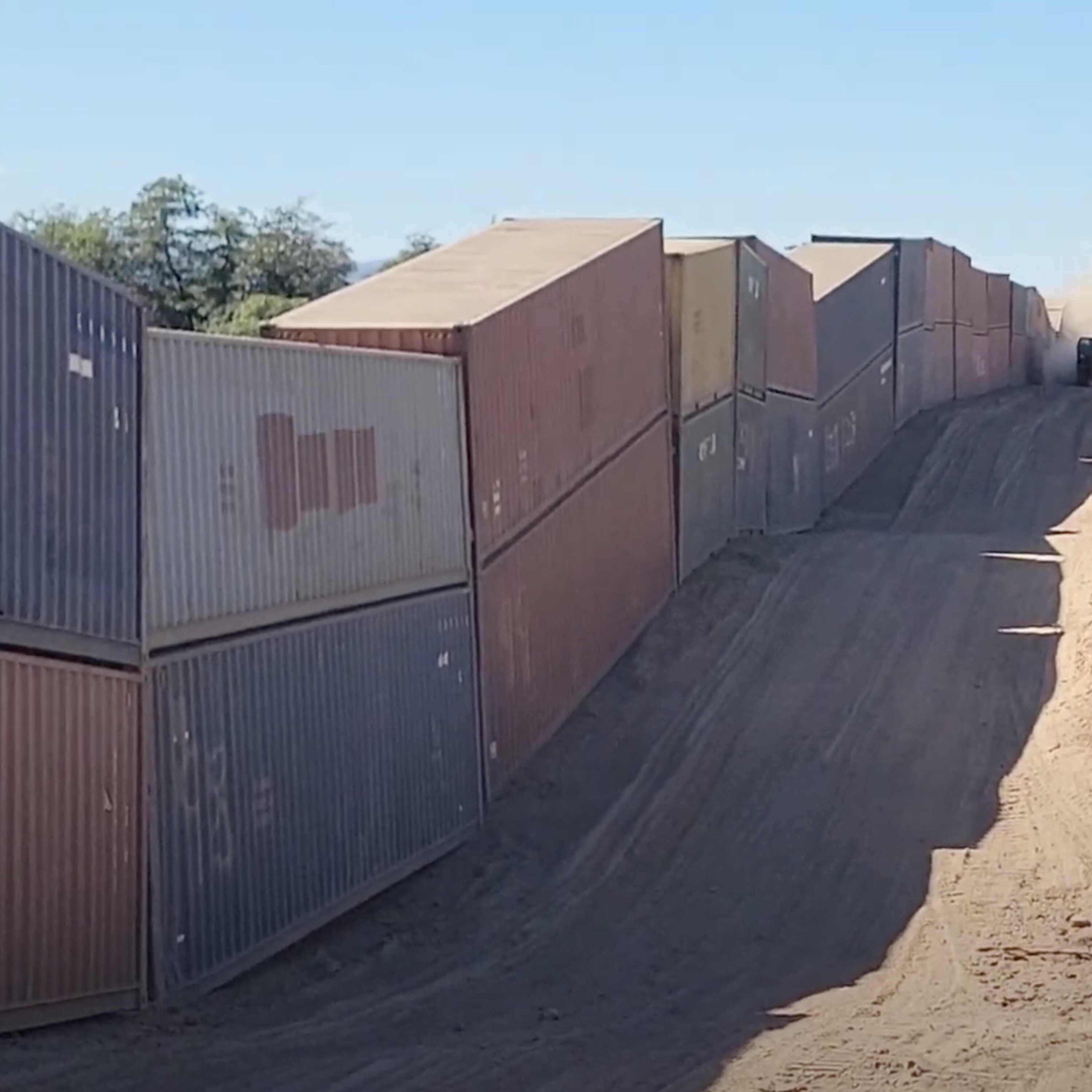
S2E3: Governor Ducey's Border Wall Comes Down
Arizona's controversial shipping-container border wall was erected in a matter of weeks—but dismantling it became a powerful symbol of the legal and political battles surrounding border policy. This episode examines why the barrier was built, the environmental damage it caused, and what its removal means for wildlife, public lands, and the future of the U.S.–Mexico border.
Guest: Melissa del Bosque

2
Jan. 18, 2023
S2E2: Remembering Phil Pister
Few people have done more to protect the desert than Phil Pister. In this tribute, we remember the pioneering conservationist whose work helped save California's desert fishes from extinction and inspired generations of environmental advocates. We reflect on his legacy, his approach to conservation, and the lasting impact of a life devoted to protecting some of the desert's smallest—and most remarkable—creatures.

1
Jan. 17, 2023
S2E1: Larrea tridentata a.k.a. the Humble Creosote
The creosote bush is so common across the Southwest that it's easy to overlook—but it may be the single most important plant in North American deserts. This episode explores the biology, ecology, and remarkable adaptations of Larrea tridentata, from its ancient clones to its role in supporting wildlife and shaping entire desert ecosystems. You'll never look at a creosote flat the same way again.