Climate Episodes
Analyzing how climate change is reshaping American deserts, from rising temperatures and prolonged droughts to shifting ecosystems and increasing wildfires.

29
Sept. 11, 2026
S5E29: Why Was the North Kaibab Trail Still Open?
After the Dragon Bravo Fire, Grand Canyon trail staff warned that the North Kaibab Trail faced years of heightened danger from debris flows, flash floods and rockfall. Yet the entire trail reopened in May 2026. Journalist Joe Dana of Phoenix's 12 News joins 90 Miles from Needles to discuss his reporting on internal National Park Service recommendations, pressure to restore public access, and the decisions made before the deadly August 29 Grand Canyon flood.
Guest: Joe Dana
18
June 19, 2026
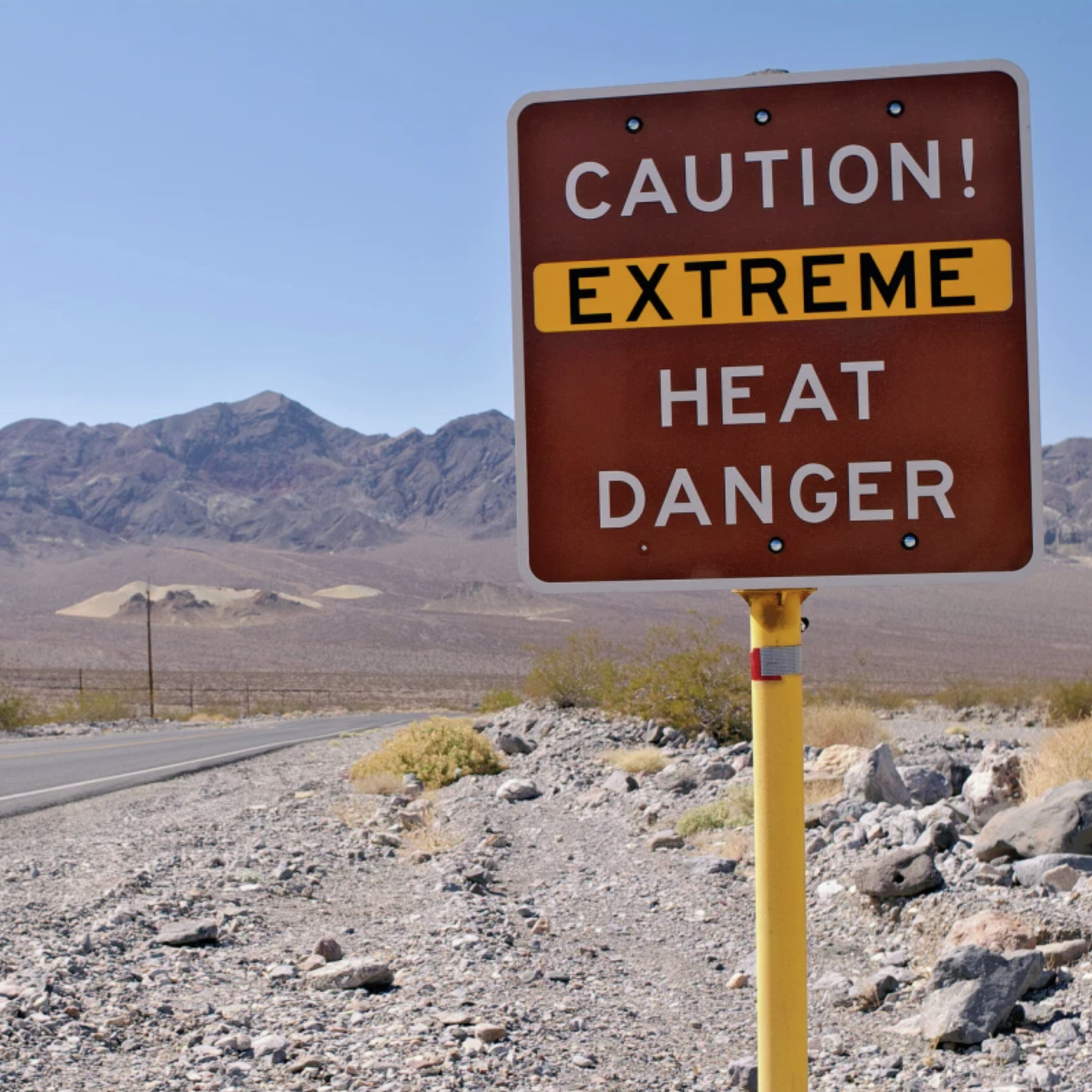
S5E18: Desert Heat: Who Really Pays the Price?
Chris combines practical hot-weather safety with an examination of unequal heat exposure, contrasting voluntary recreation with the risks imposed on migrants, outdoor workers and incarcerated people who often cannot escape extreme temperatures.
45
Dec. 19, 2025
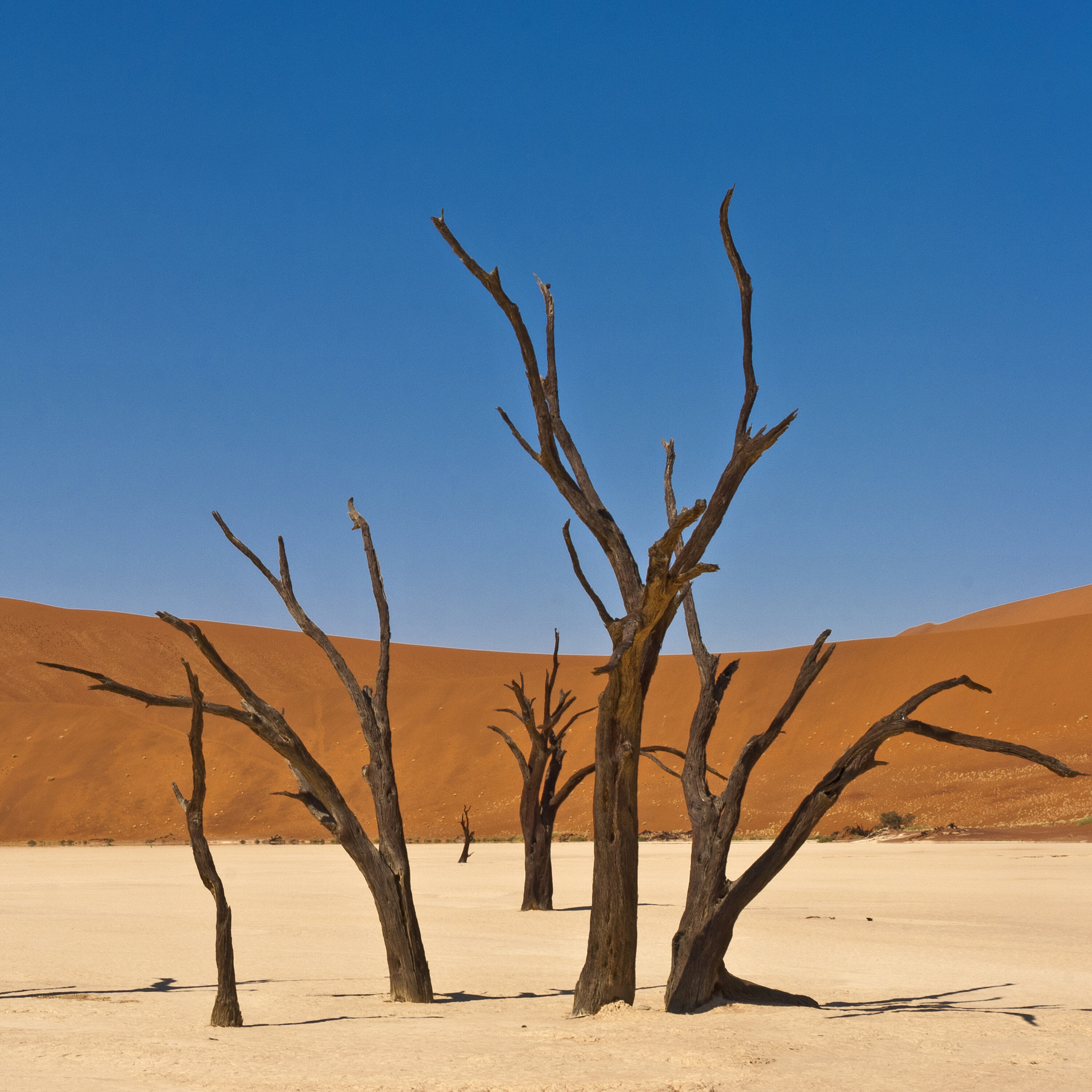
S4E45: The Desertification Myth: Unpacking the Truth About Dry Lands
Drawing on geographer Diana K. Davis, Chris challenges the idea that deserts are failed landscapes, traces the colonial politics embedded in ‘desertification’ and argues for precise descriptions of degradation in drylands.
31
Aug. 15, 2025
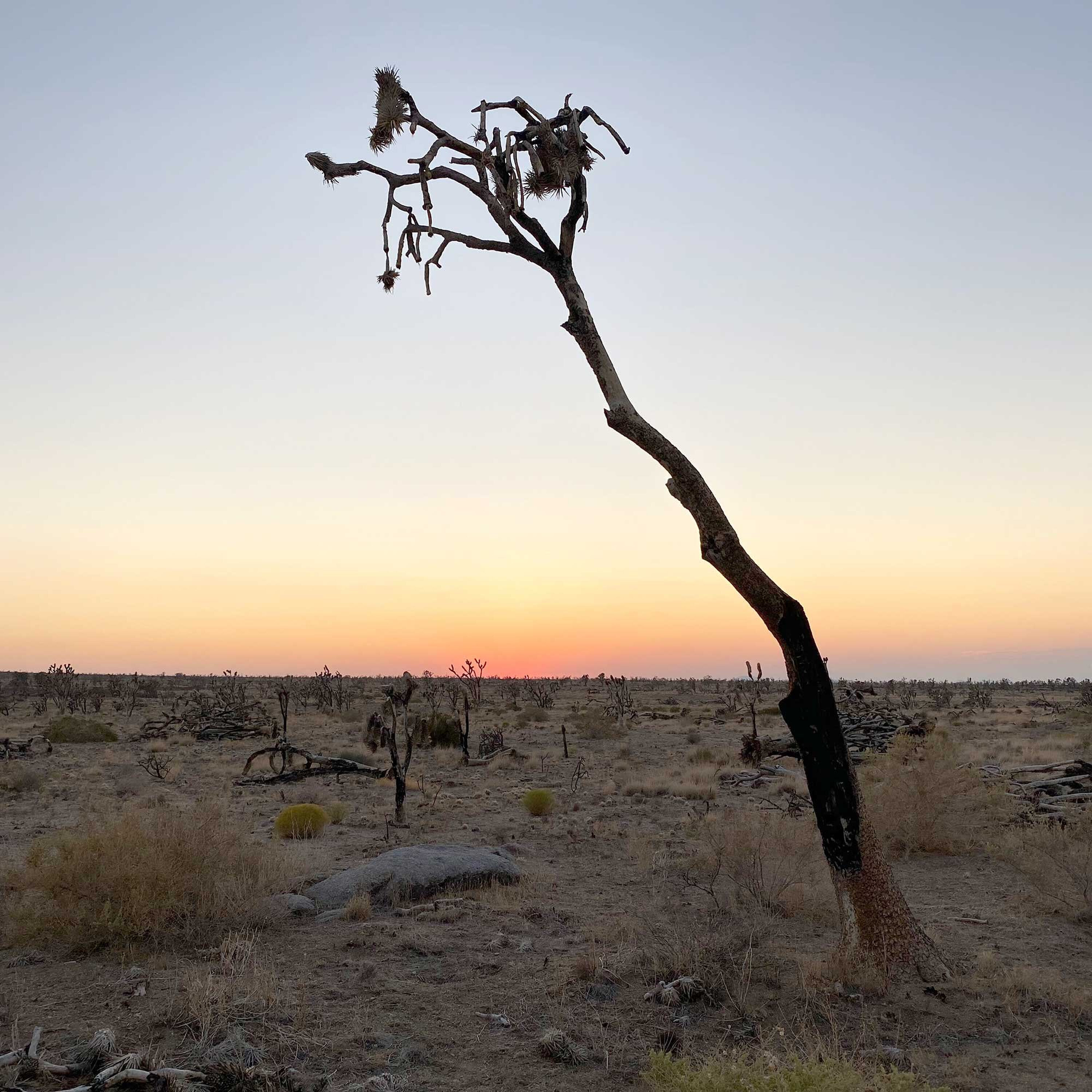
S4E31: 5 Years On: Cima Dome After the Flames
On the Dome Fire's fifth anniversary, Chris returns to Cima Dome to confront the loss of its vast Joshua tree forest, the spread of invasive grasses, uncertain restoration and his own enduring solastalgia.
12
June 20, 2022
S1E12: What's Happening to the Monsoon?
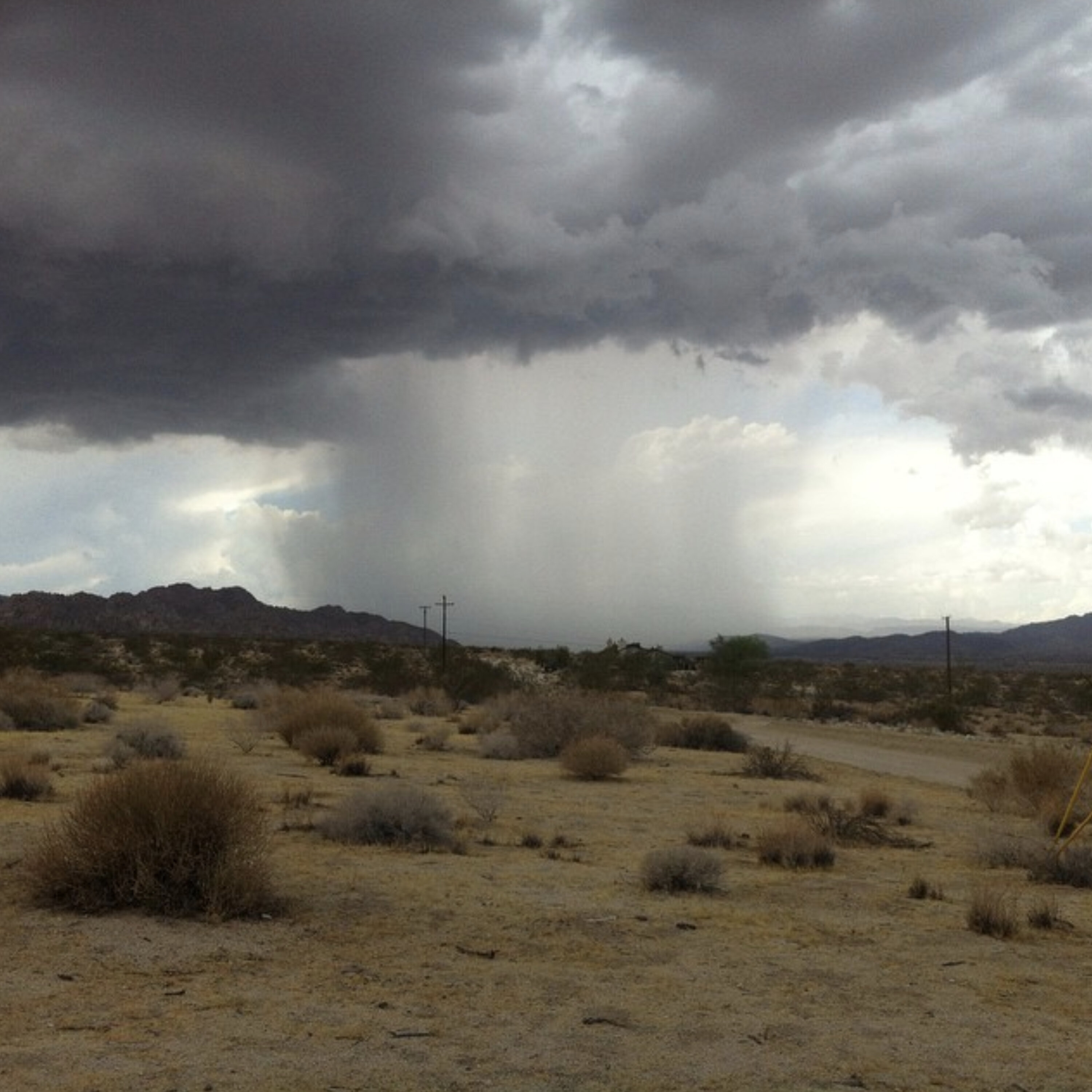
Summer monsoons shape life across the deserts of the Southwest, bringing relief from extreme heat and sustaining plants and wildlife. This episode explores how the North American Monsoon works, why it varies from year to year, and what scientists are learning about its future in a changing climate.
Guest: Jan Emming

8
April 22, 2022
S1E8: The IPCC Lets the Deserts Down
The world's leading climate report contains thousands of pages, yet deserts often receive surprisingly little attention. This episode examines how the Intergovernmental Panel on Climate Change addresses arid lands, what was overlooked, and why deserts deserve a much larger role in conversations about climate change and adaptation.
4
Feb. 16, 2022
S1E4: The End of the Cadillac Desert: Megadrought in the Southwest
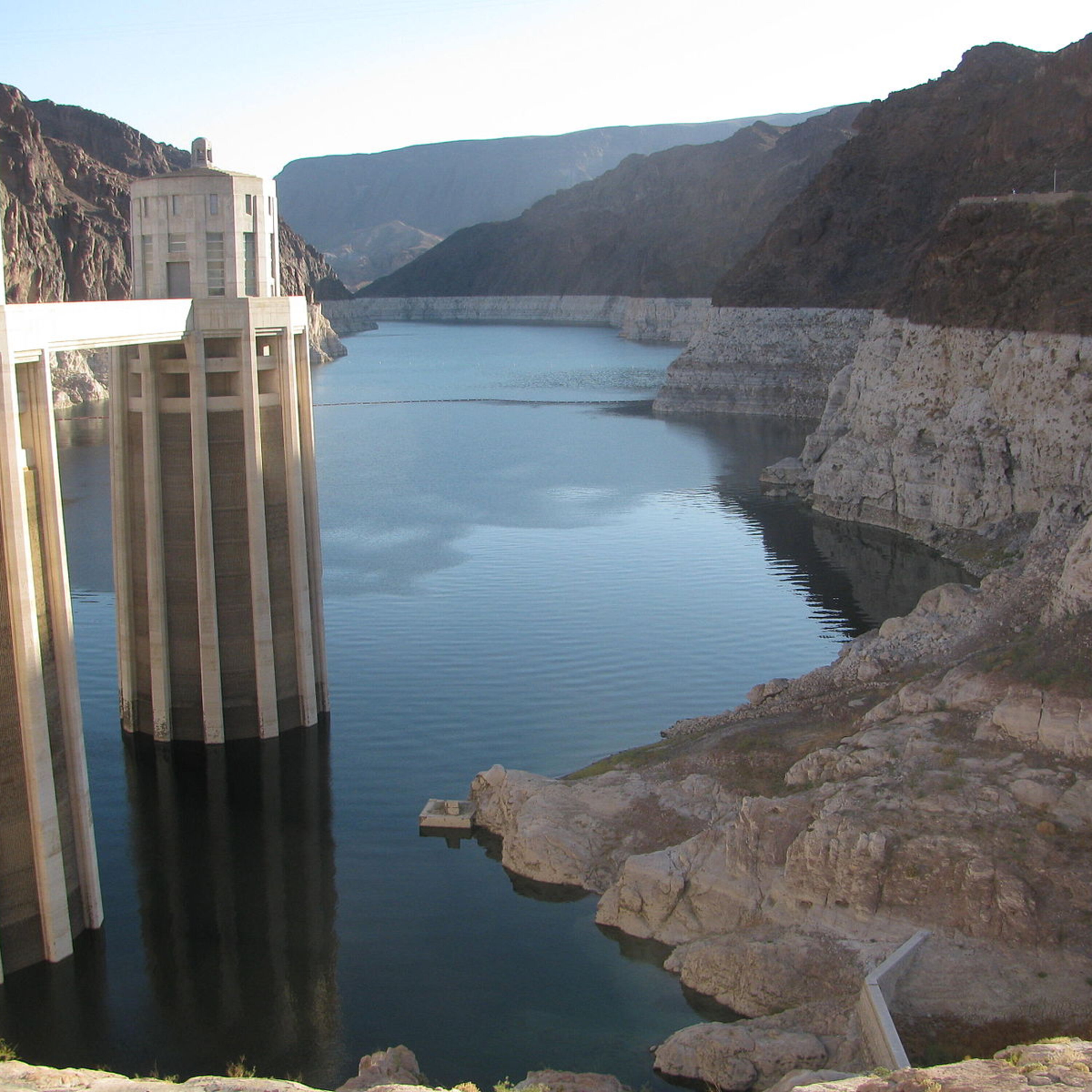
For generations, the American West has relied on the assumption that water could always be found somewhere. That era is ending. This episode examines drought, the Colorado River, and the changing realities of water management across the Southwest, asking what the future of desert communities will look like as water becomes increasingly scarce.
Guest: Kyle Roerink

3
Feb. 1, 2022
S1E3: The Life, Death, and Rebirth of Cima Dome
Cima Dome was once home to the world's largest Joshua tree forest—until the 2020 Dome Fire transformed the landscape. This episode tells the story of one of the Mojave Desert's most iconic places, the fire that changed it forever, and the surprising signs of renewal now emerging across the burned landscape. It's a story about resilience, ecological change, and hope.
Guest: Drew Kaiser