Kevin Emmerich

Kevin Emmerich enjoyed a career in the National Park Service for 20 years in 7 different National Parks and Monuments, including Death Valley National Park since 1991 (now retired). He has also worked as a field biologist for research on desert species such as the Panamint alligator lizard, desert tortoise, and Mojave fringe-toed lizard. He lives in the Mojave Desert and has followed desert conservation and land-use issues for many years. He and his wife Laura Cunningham co-founded Basin and Range Watch in 2008.
19
June 26, 2026
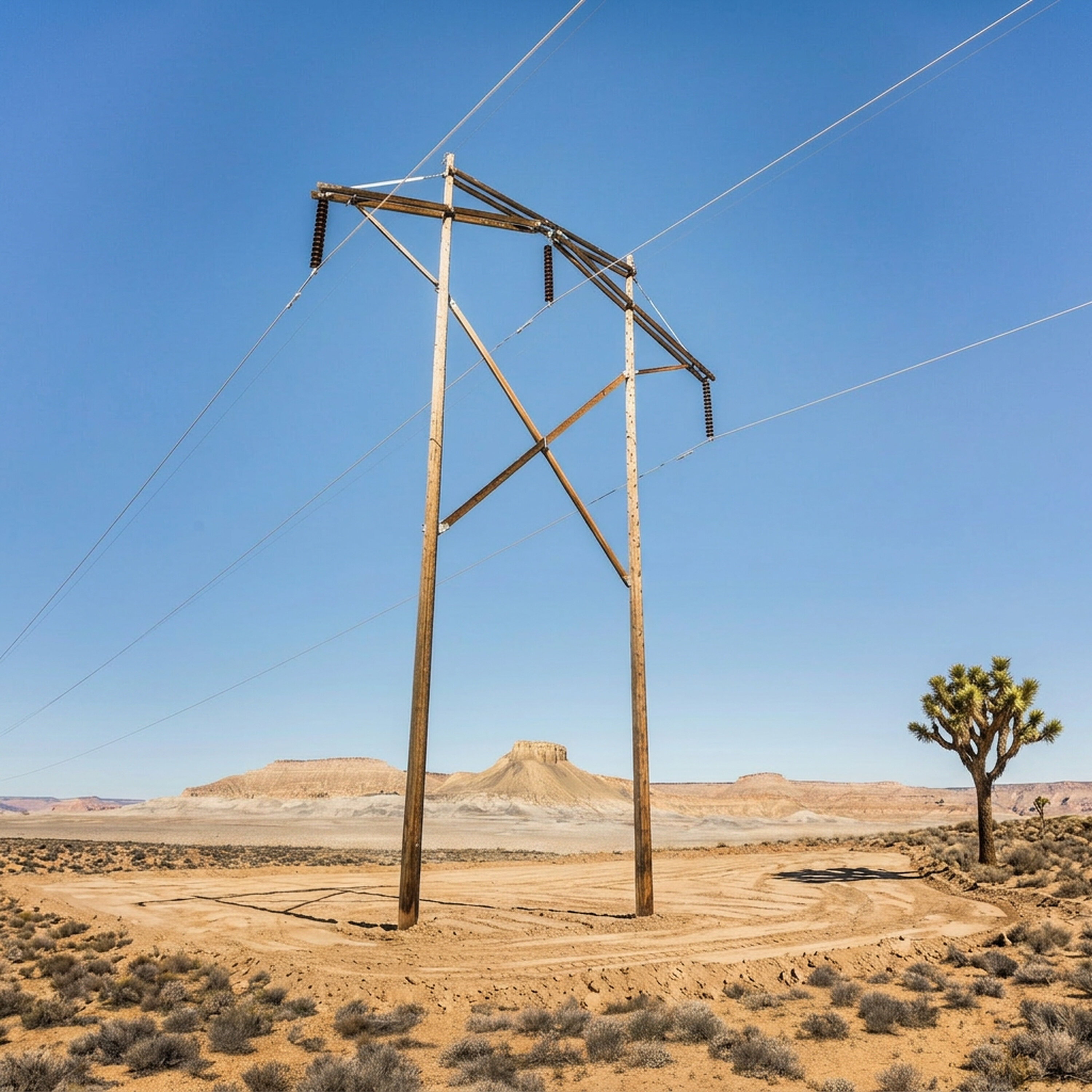
S5E19: Greenlink West Carves a Costly Path Through Wild Nevada
Laura Cunningham and Kevin Emmerich trace Greenlink West from the Amargosa Valley toward northern Nevada, arguing that the transmission line will accelerate utility-scale solar, gas generation and hyperscale data-center development across intact desert.
Guests: Kevin Emmerich , Laura Cunningham
22
July 11, 2025
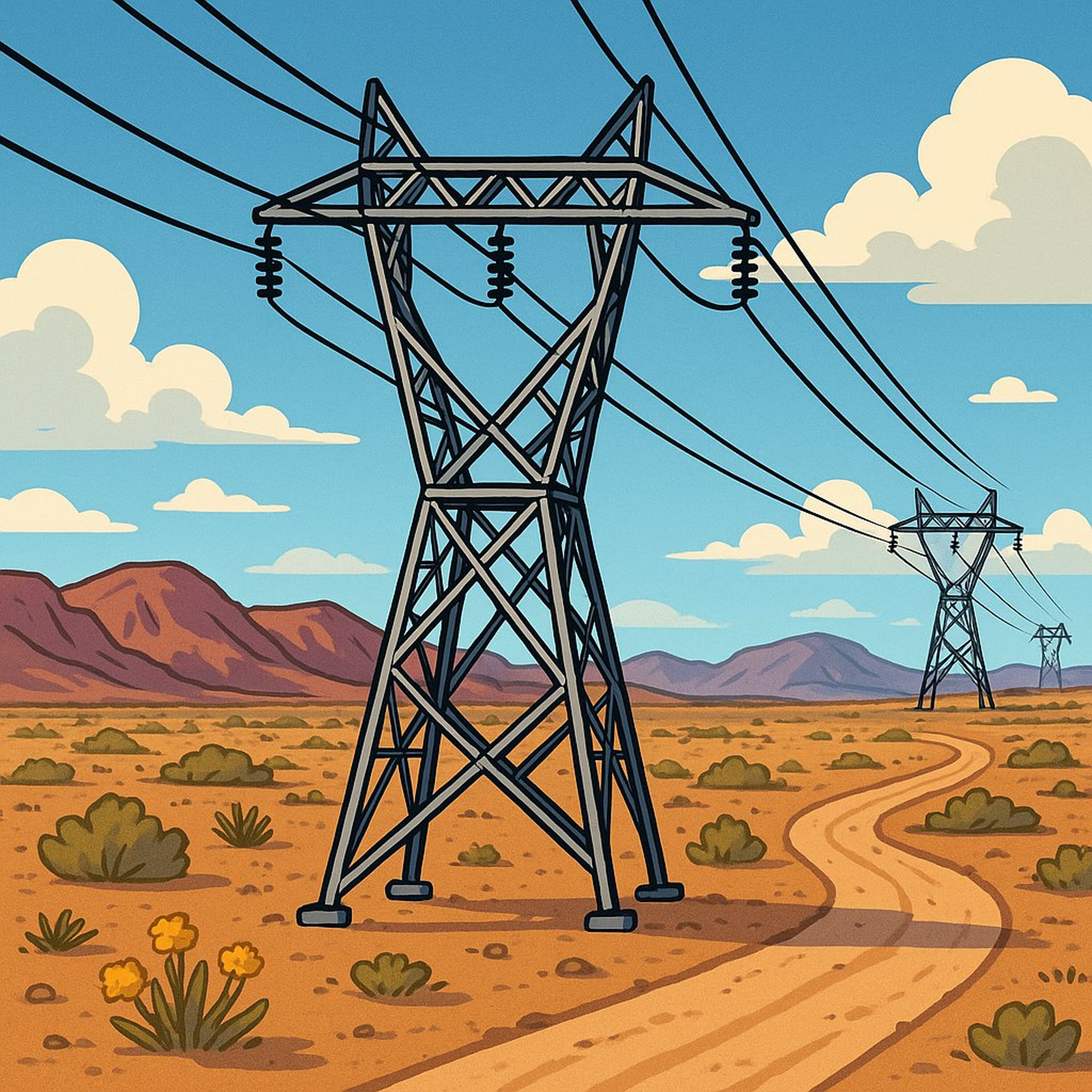
S4E22: Fighting GreenLink: The True Impact of Transmission Lines in the Desert
Basin and Range Watch co-founder Kevin Emmerich explains how Nevada's Greenlink West transmission project threatens desert tortoise habitat, rare plants, cultural sites and intact landscapes while serving industrial growth.
Guest: Kevin Emmerich
24
Aug. 20, 2024
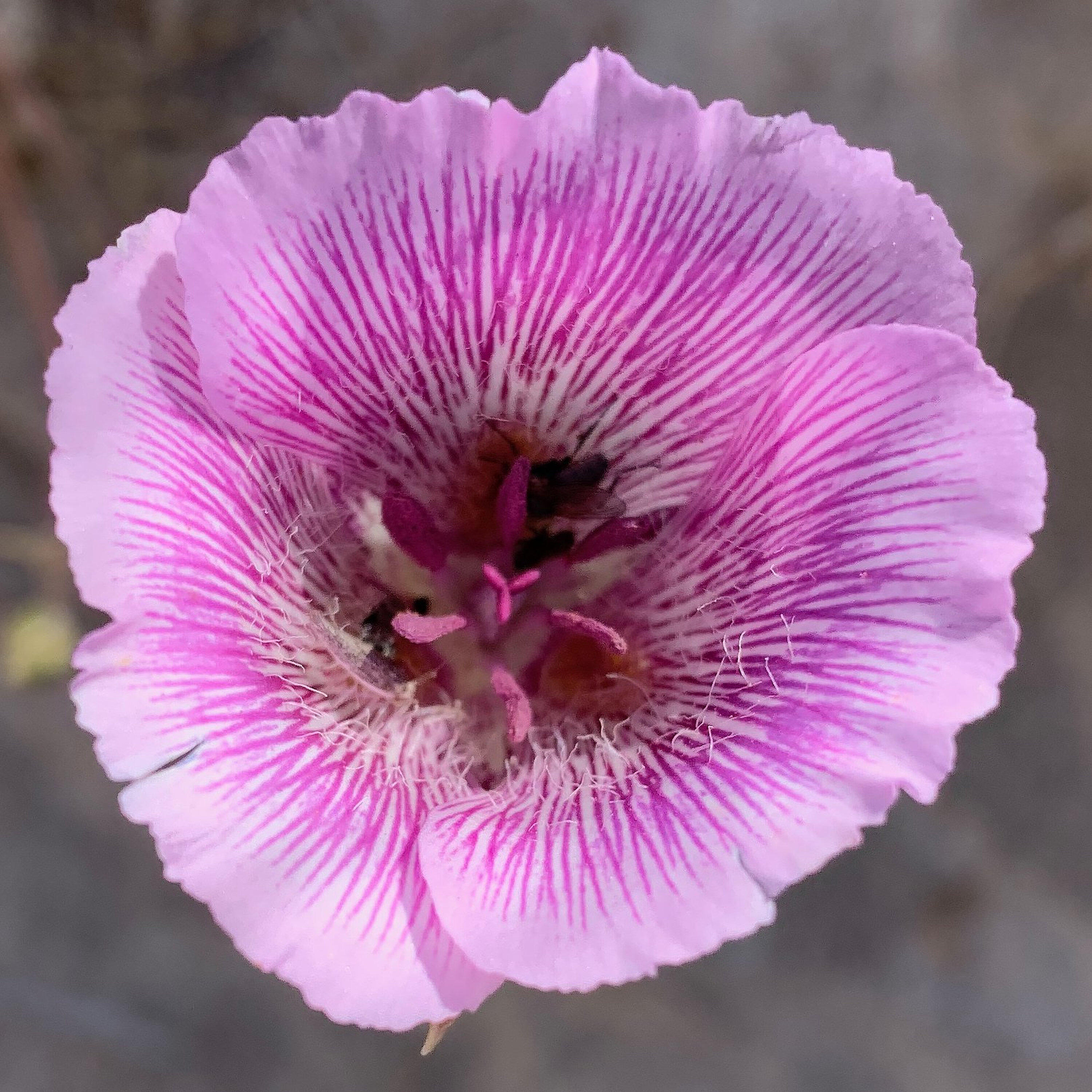
S3E24: The Fight to Protect the Pahrump Valley
Utility-scale solar development can carry substantial ecological costs when projects are built across intact desert habitat. Chris Clarke talks with Kevin Emmerich of Basin and Range Watch about a proposal to protect thousands of acres in Nevada's Pahrump Valley as an Area of Critical Environmental Concern. They discuss threats to desert tortoises, habitat connectivity, and the cumulative effects of industrial development—and how an ACEC designation could give federal land managers another tool for directing damaging projects away from sensitive landscapes.
Guest: Kevin Emmerich