Episodes
13
April 30, 2024
S3E13: Why Protecting Cultural Sites is Important
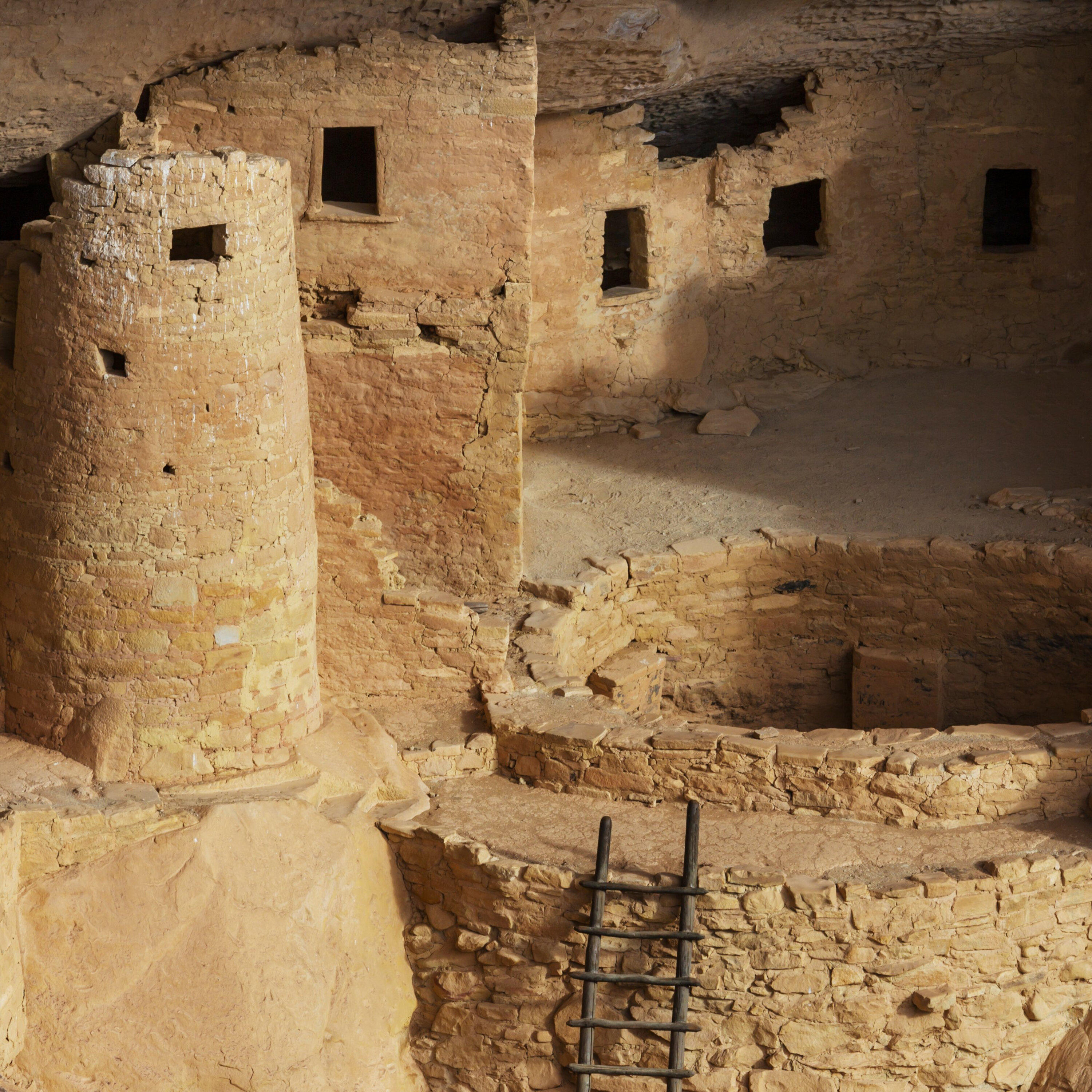
Looting archaeological sites isn't harmless collecting: it destroys irreplaceable information and damages places that remain culturally important to Indigenous communities. Chris Clarke talks with Shannon Cowell and Dustin Whiting of Archaeology Southwest about looting and vandalism across the Southwest, the laws governing cultural artifacts, and the larger question of heritage justice. They explain how visitors can recognize threats, behave responsibly around cultural sites, and help protect places whose significance extends far beyond the objects someone might carry away.
Guests: Shannon Cowell , Dusty Whiting

12
April 25, 2024
S3E12: Our 50th Episode
For the 50th episode of 90 Miles from Needles, Chris Clarke looks beyond individual conservation battles to ask what the desert protection movement itself needs. He reflects on resource extraction, disappearing local news coverage, the shortage of people working consistently on desert issues, and the role independent journalism can play in building a stronger movement. It's both a progress report on the podcast and an argument for something larger: informed communities willing to become long-term advocates for desert landscapes.

11
April 16, 2024
S3E11: Desert Stories
Sometimes the desert is best understood through stories. Chris Clarke visits the Amargosa Basin during a spectacular wildflower bloom before sharing three tales about the strange relationships that shape desert life. He considers evidence of surprisingly sophisticated behavior in bursage plants, the long and complicated relationship between humans and coyotes, and the seductive power of what we sometimes call desert magic. Together, the stories offer a playful but thoughtful exploration of how humans perceive—and sometimes misunderstand—the living desert.
10
April 3, 2024
S3E10: Can the Wilson's Phalarope Save the Great Salt Lake?
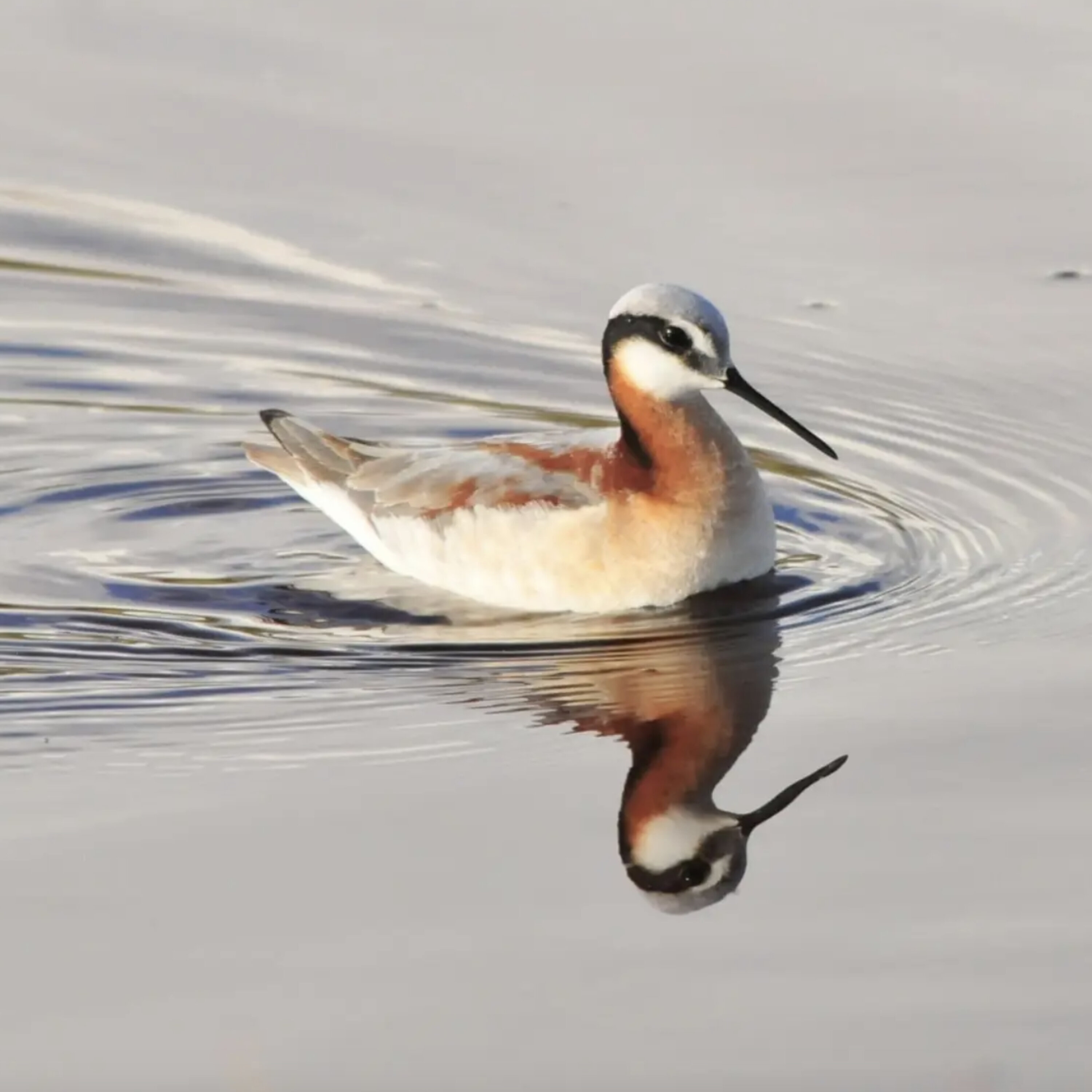
Great Salt Lake is shrinking, threatening an ecosystem of hemispheric importance to migratory birds. Chris Clarke travels to Utah to examine efforts to protect the lake and the Wilson's phalarope, a remarkable shorebird that depends on saline wetlands during its enormous migrations. Scientists and advocates consider whether the Endangered Species Act could provide another tool for protecting both the bird and its habitat, while Utah residents gather at the State Capitol to demand action for the lake.
Guest: Terry Tempest Williams
9
March 26, 2024
S3E9: How Avi Kwa Ame Transformed My Life
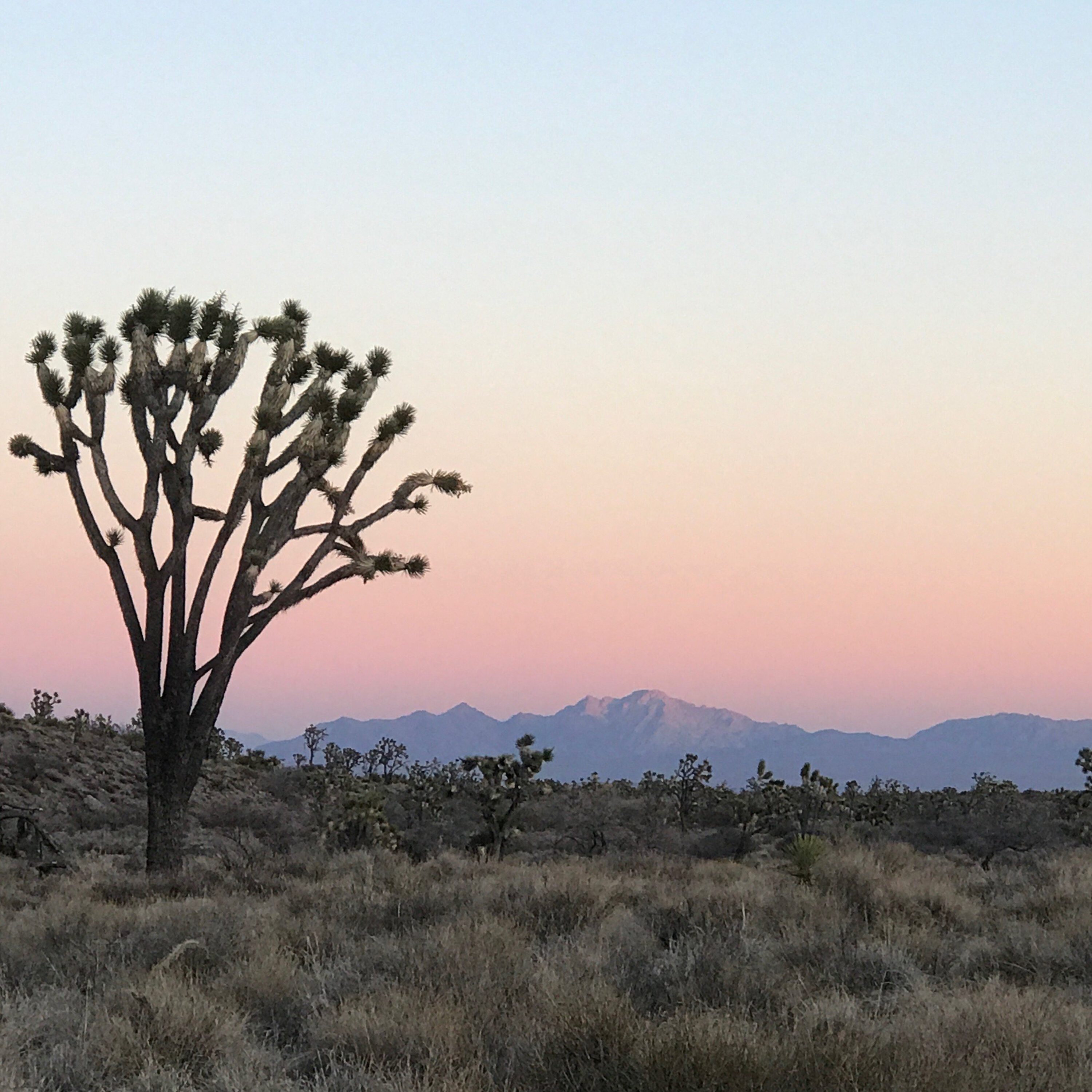
Some landscapes become part of who we are. Chris Clarke reflects on his relationship with Avi Kwa Ame, the southern Nevada landscape protected as a national monument in 2023 after years of Indigenous-led advocacy. Personal stories of desert exploration mingle with excerpts from the monument's designation celebration and voices from the campaign to protect it. The result is both a portrait of an extraordinary place and a meditation on how loving a landscape can change the course of a life.
8
March 19, 2024
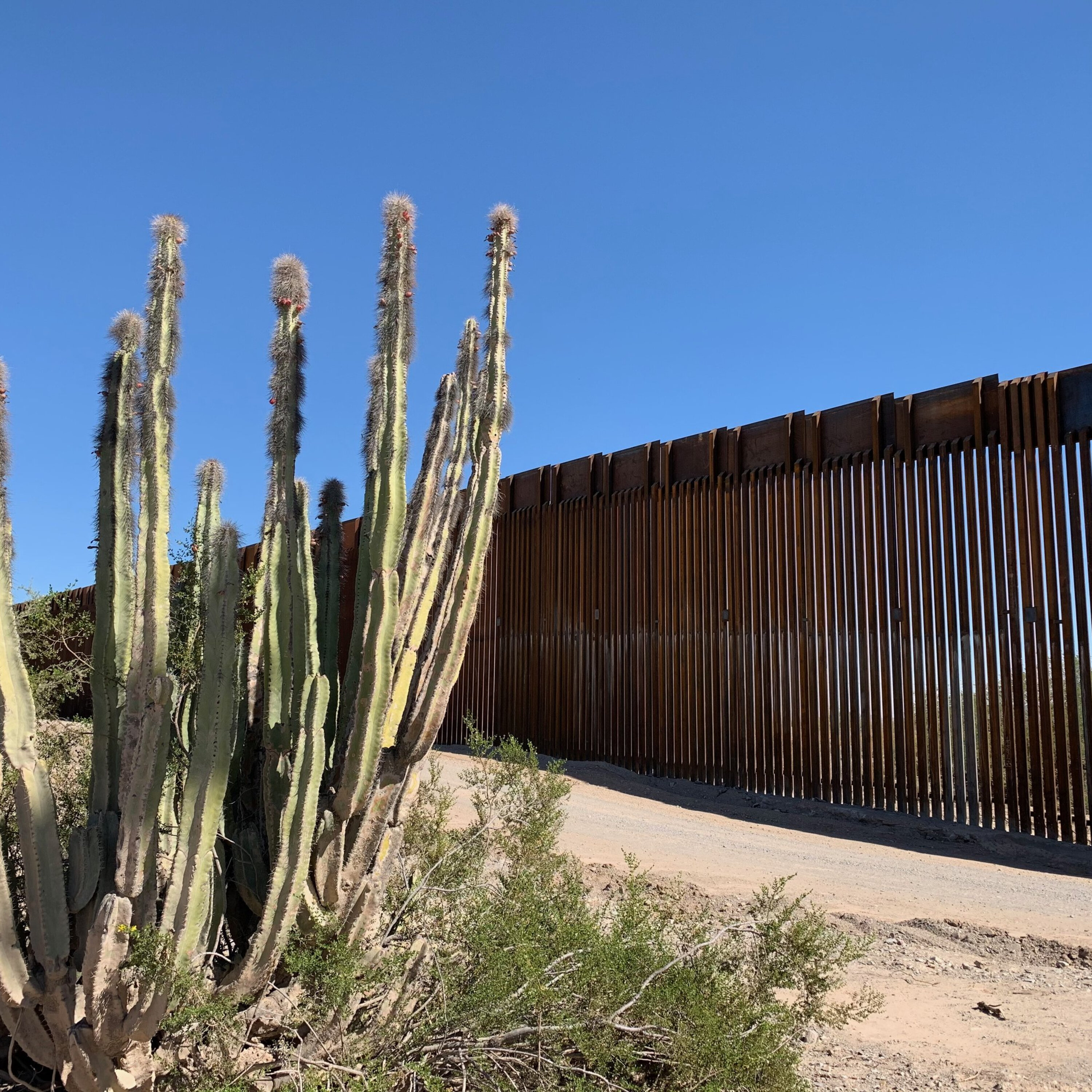
S3E8: Border Wall: A Barrier to Wildlife and Humanity
The U.S.–Mexico border wall doesn't divide only people. It cuts across wildlife habitat, migration routes, watersheds, and some of North America's most biologically diverse desert landscapes. Chris Clarke talks with conservation scientist Myles Traphagen of Wildlands Network about the ecological consequences of border barriers and the humanitarian crisis unfolding alongside them. They discuss wildlife movement, habitat fragmentation, border policy, and what a more humane and ecologically informed approach to the border might look like.
Guest: Myles Traphagen
7
March 6, 2024
S3E7: Saving the Chihuahuan Desert with Frontera Land Alliance
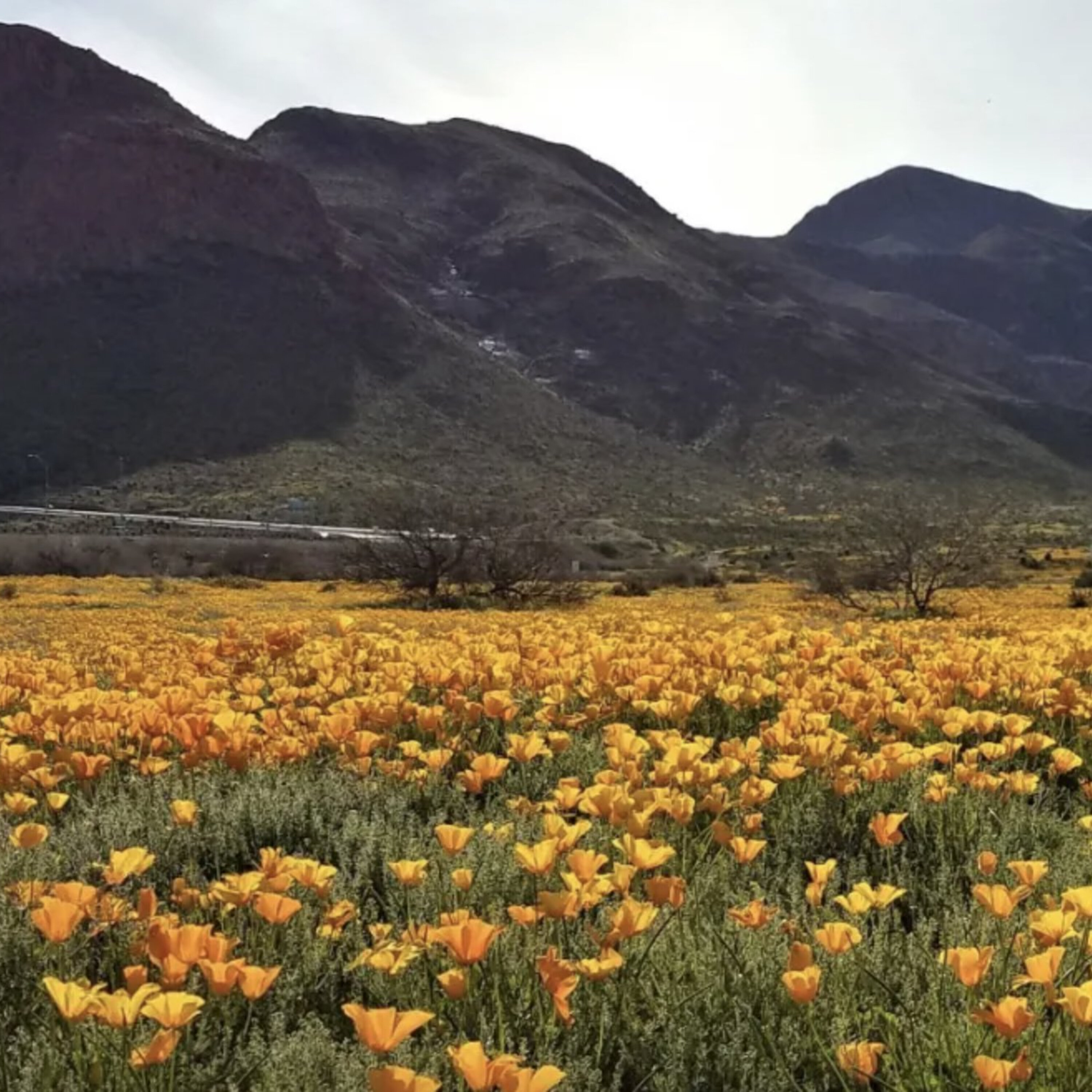
The Chihuahuan Desert stretches across northern Mexico and the southwestern United States, encompassing extraordinary biological and cultural diversity. Chris Clarke talks with Janae Reneaud Field, Kathia Gonzalez, and Rocio Ronquillo of El Paso's Frontera Land Alliance about protecting this often-overlooked desert. They discuss community conservation, environmental education, and the campaign to protect Castner Range, while exploring what it means to build a conservation movement rooted in the communities that call the Chihuahuan Desert home.
6
Feb. 27, 2024
S3E6: Joshua Trees and Family Trees
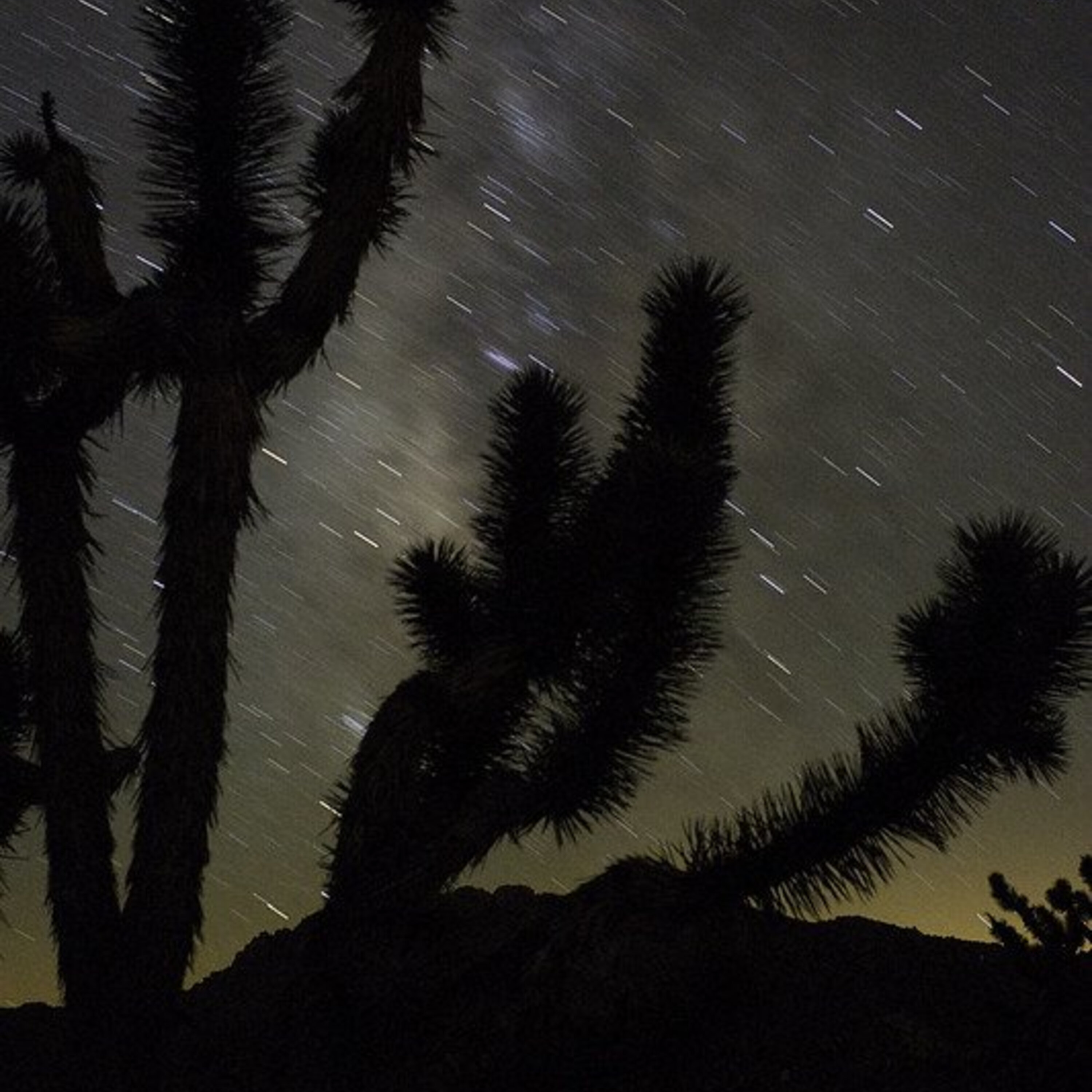
What can Joshua trees teach us about family? Chris Clarke reads an excerpt from his book in progress about the Mojave Desert's signature plant, weaving natural history with personal memory and reflections on kinship. Through encounters with Joshua trees and the landscapes they inhabit, he considers relationships among plants, animals, people, and place—and challenges the idea that nature consists of isolated individuals rather than communities of interconnected lives.
5
Feb. 20, 2024
S3E5: Protecting the Great Bend of the Gila
Arizona's Great Bend of the Gila holds an extraordinary concentration of Indigenous cultural sites, wildlife habitat, and largely intact Sonoran Desert landscape. Chris Clarke talks with advocates Skylar Begay and Mike Quigley about efforts to secure permanent protection for the region. They discuss its cultural and natural history, threats from development and destructive recreation, habitat for species including Sonoran pronghorn, and why protecting the Great Bend means recognizing a landscape shaped by thousands of years of human history.
Guests: Skylar Begay , Mike Quigley
4
Feb. 5, 2024
S3E4: Nevada Supreme Court Upholds Water Protections for Desert Wildlife
Groundwater and surface water may have different names, but ecologically they're often the same resource. Chris Clarke talks with Patrick Donnelly of the Center for Biological Diversity about a major Nevada Supreme Court decision involving Coyote Springs, a proposed desert city whose groundwater pumping could damage the Muddy River and endangered wildlife. The ruling affirms Nevada's ability to consider interconnected groundwater and surface-water systems together, with potentially important consequences for water management throughout the state's arid landscapes.
Guest: Patrick Donnelly
3
Jan. 29, 2024
S3E3: The Fight Against Flamingo 640; How a Community Stood Up to Big Development
When developers proposed a large glamping project called Flamingo 640 in California's Mojave Desert, local residents organized to stop it. Chris Clarke talks with Caroline Partamian, Justin Merino, and Luke Basulto about concerns over wildlife, traffic, noise, and the project's effects on the surrounding rural community. They recount how neighbors organized, challenged the proposal, and ultimately prevailed—a case study in how local activism can successfully shape land-use decisions and protect desert communities.
Guests: Caroline Partamian , Luke Basulto
2
Jan. 23, 2024
S3E2: Biden's Plan to Turn the Desert into a Solar Energy Complex
The federal government is reconsidering where utility-scale solar development should occur across the American West. Chris Clarke examines the Bureau of Land Management's draft Programmatic Environmental Impact Statement, the alternatives it considers, and the enormous areas of public land potentially available for solar development. He looks at exclusion zones, environmental impacts, and an alternative largely absent from the discussion: putting far more solar on rooftops and already-developed land instead of intact desert habitat.

1
Jan. 15, 2024
S3E1: Four Books That Will Change How You See The Desert
In this episode of "90 Miles from Needles: The Desert Protection Podcast," host Chris Clarke introduces four books that will challenge preconceptions about the desert. The first book, "The Arid Lands: History, Power, and Knowledge" by Diana K. Davis, challenges the notion that deserts are wastelands in need of development. The second book, "Peoples of a Sonoran Desert Oasis" by Jared Orsi, explores the history and culture of Quito Bacito and the impact of border policies on the oasis. The third ...