Wildlife Episodes
Investigating the unique and often imperiled animal species that call the desert home, and the diverse threats they face from development, climate change, and human encroachment.
23
Aug. 7, 2024
S3E23: Moonlit Deserts and Lost Love
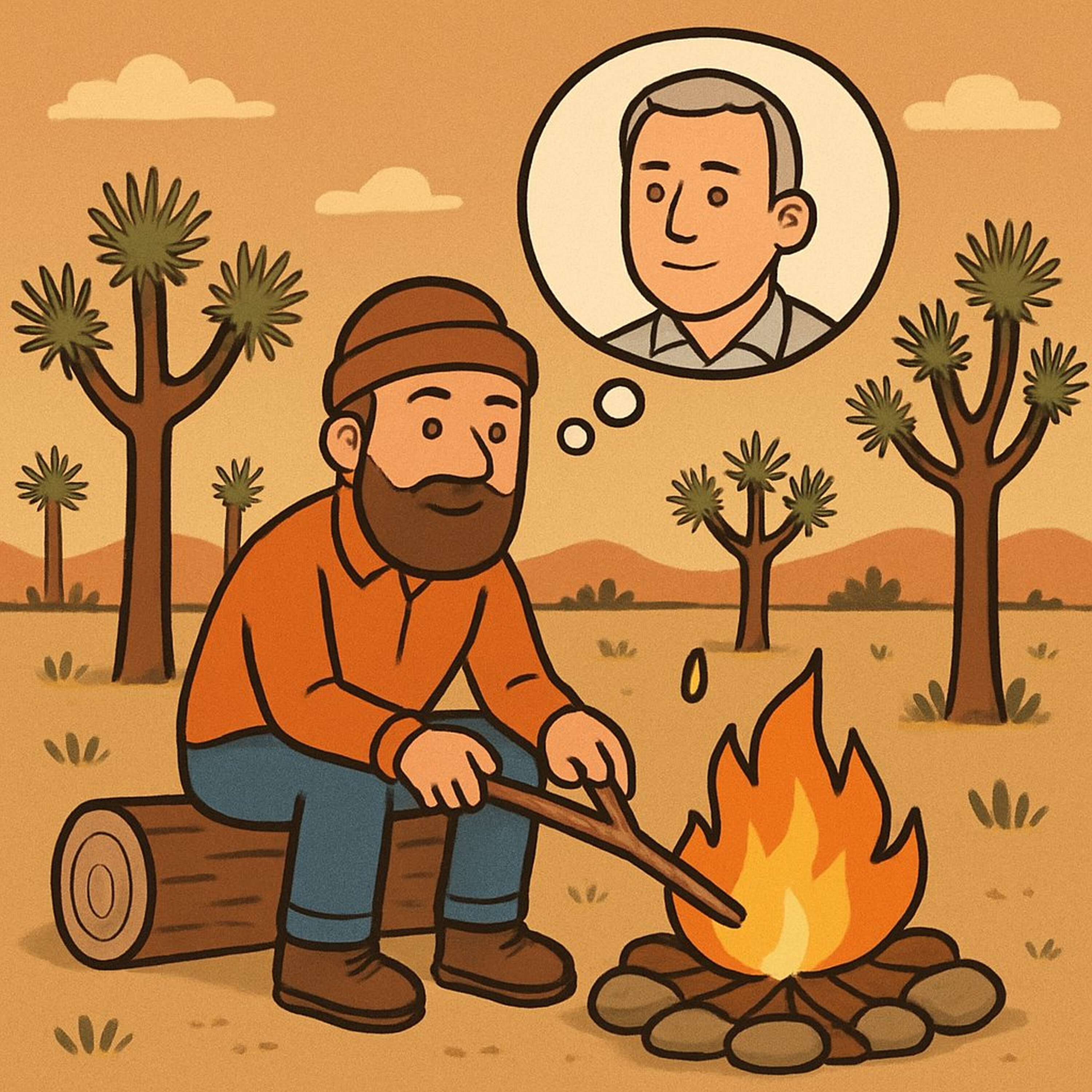
In a departure from the show's usual reporting, Chris Clarke reads from Walking with Zeke, recalling a moonlit camping trip with his dog in Red Rock Canyon. The essay explores the physical and emotional bond between dogs and humans, the persistence of memory, and the ways particular desert landscapes become inseparable from those we have loved within them. It's a quiet meditation on companionship, place, loss, and the connections between caring for the natural world and caring for those we consider family.
22
July 24, 2024
S3E22: Debunking Snake Misconceptions
Desert snakes inspire fascination, fear, and a remarkable amount of misinformation. Chris Clarke and Lucas Basulto trade snake stories while examining some of the misconceptions surrounding these important reptiles. They discuss snake behavior, bites and appropriate responses, road mortality, habitat protection, and how to coexist safely with snakes rather than treating every encounter as a threat. Along the way, they offer resources for identifying snakes throughout the desert Southwest and explain why these often-maligned animals matter to desert ecosystems.
Guest: Luke Basulto
21
July 16, 2024
S3E21: The War on Facts: Environmental Protection after Chevron
For decades, the Chevron doctrine gave federal agencies substantial latitude to interpret ambiguous laws passed by Congress. The Supreme Court's decision to overturn that doctrine shifts more authority over those interpretations to federal judges. Chris Clarke explains what Chevron deference was, why its demise matters, and how the change could affect environmental regulation and the federal agencies responsible for protecting wildlife, clean water, public lands, and other natural resources.
15
May 15, 2024
S3E15: The Surprising Longevity of Desert Plants
Desert plants often look timeless, and some nearly are. Chris Clarke explores the astonishing longevity of desert vegetation, from the roughly 11,700-year-old King Clone creosote ring to chollas and Mojave yuccas that can survive far longer than their appearance suggests. He also explains how researchers estimate plant ages when tree rings aren't available, using historical photographs, repeated observations, and long-term ecological studies. The result changes the way we see seemingly ordinary plants: some desert landscapes contain living organisms whose histories stretch back centuries or millennia.
14
May 7, 2024
S3E14: Saving El Paso's Rio Bosque Wetlands
Along the Rio Grande in El Paso, Rio Bosque Wetlands Park provides a rare riparian refuge within the Chihuahuan Desert—and a vision of what ecological restoration can accomplish. Chris Clarke talks with conservationist Jon Rezendes about threats from proposed highway development, community efforts to protect the wetlands, and the extraordinary diversity of birds and other wildlife that depend on them. Their conversation expands into a larger vision of rewilding the Rio Grande Valley, restoring ecological connections, and perhaps someday welcoming Mexican wolves back to the region.
Guest: Jon Rezendes
11
April 16, 2024
S3E11: Desert Stories
Sometimes the desert is best understood through stories. Chris Clarke visits the Amargosa Basin during a spectacular wildflower bloom before sharing three tales about the strange relationships that shape desert life. He considers evidence of surprisingly sophisticated behavior in bursage plants, the long and complicated relationship between humans and coyotes, and the seductive power of what we sometimes call desert magic. Together, the stories offer a playful but thoughtful exploration of how humans perceive—and sometimes misunderstand—the living desert.
10
April 3, 2024
S3E10: Can the Wilson's Phalarope Save the Great Salt Lake?
Great Salt Lake is shrinking, threatening an ecosystem of hemispheric importance to migratory birds. Chris Clarke travels to Utah to examine efforts to protect the lake and the Wilson's phalarope, a remarkable shorebird that depends on saline wetlands during its enormous migrations. Scientists and advocates consider whether the Endangered Species Act could provide another tool for protecting both the bird and its habitat, while Utah residents gather at the State Capitol to demand action for the lake.
Guest: Terry Tempest Williams
8
March 19, 2024
S3E8: Border Wall: A Barrier to Wildlife and Humanity
The U.S.–Mexico border wall doesn't divide only people. It cuts across wildlife habitat, migration routes, watersheds, and some of North America's most biologically diverse desert landscapes. Chris Clarke talks with conservation scientist Myles Traphagen of Wildlands Network about the ecological consequences of border barriers and the humanitarian crisis unfolding alongside them. They discuss wildlife movement, habitat fragmentation, border policy, and what a more humane and ecologically informed approach to the border might look like.
Guest: Myles Traphagen
7
March 6, 2024
S3E7: Saving the Chihuahuan Desert with Frontera Land Alliance
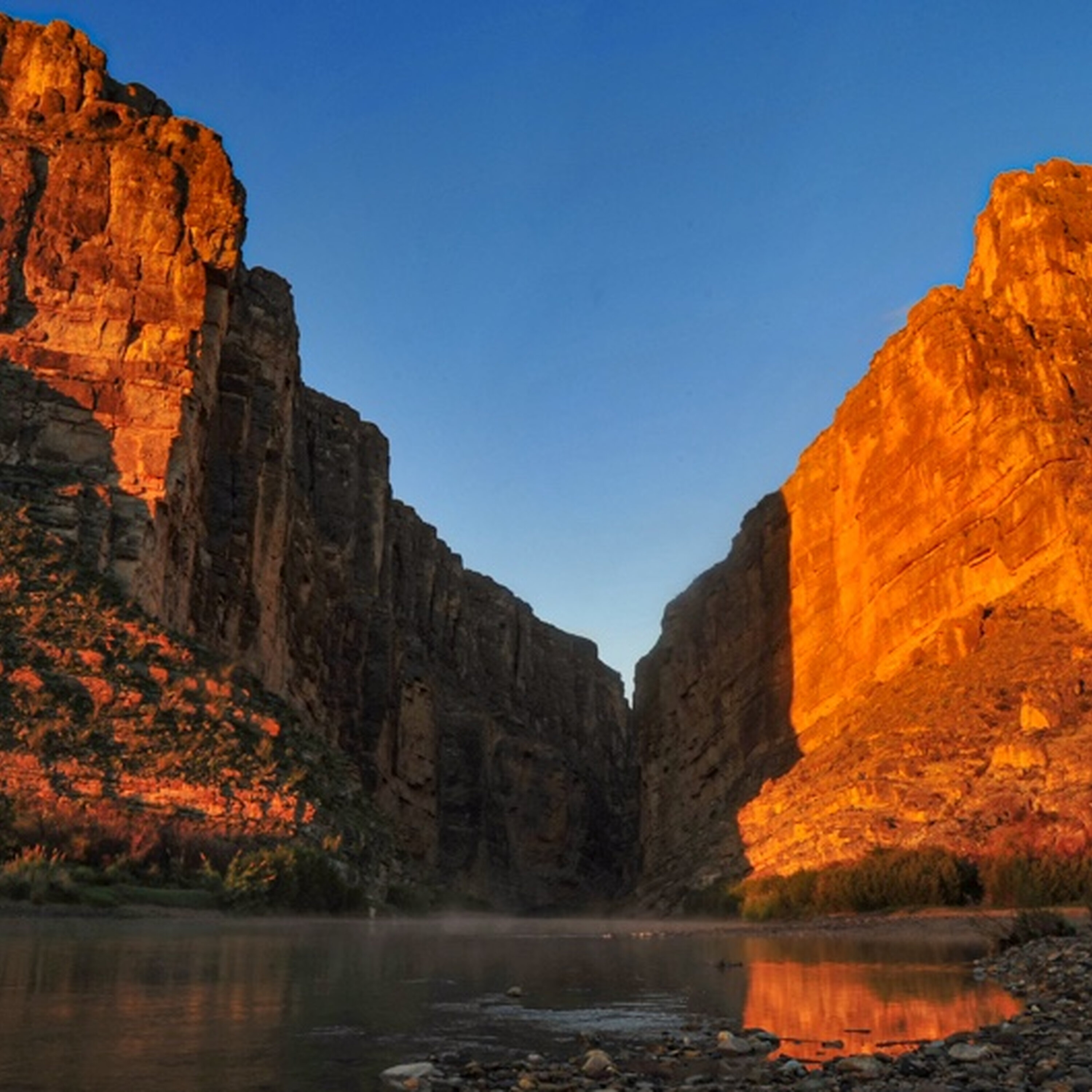
The Chihuahuan Desert stretches across northern Mexico and the southwestern United States, encompassing extraordinary biological and cultural diversity. Chris Clarke talks with Janae Reneaud Field, Kathia Gonzalez, and Rocio Ronquillo of El Paso's Frontera Land Alliance about protecting this often-overlooked desert. They discuss community conservation, environmental education, and the campaign to protect Castner Range, while exploring what it means to build a conservation movement rooted in the communities that call the Chihuahuan Desert home.
16
Dec. 25, 2023
S2E16: Protecting Desert Bighorn Sheep from Habitat Loss and Disease
Desert bighorn sheep are among the Southwest's most iconic animals, but their future depends on protecting habitat and reducing threats such as disease transmission from domestic livestock. This episode explores the biology of these remarkable climbers, the conservation challenges they face, and the efforts underway to ensure they remain part of the desert landscape for generations to come.
Guests: Christina Aiello, PhD. , Louise Mathias
12
Aug. 26, 2023
S2E12: The Majestic Saguaro
The saguaro cactus is an enduring symbol of the American Southwest, yet its life story is even more remarkable than its silhouette. This episode explores the biology, ecology, and cultural significance of the Sonoran Desert's iconic giant, revealing how saguaros support countless other species throughout their centuries-long lives.
Guests: Audrey Scheere , Henry Brean
11
July 26, 2023
S2E11: Globemallow Binding the Desert's Wounds
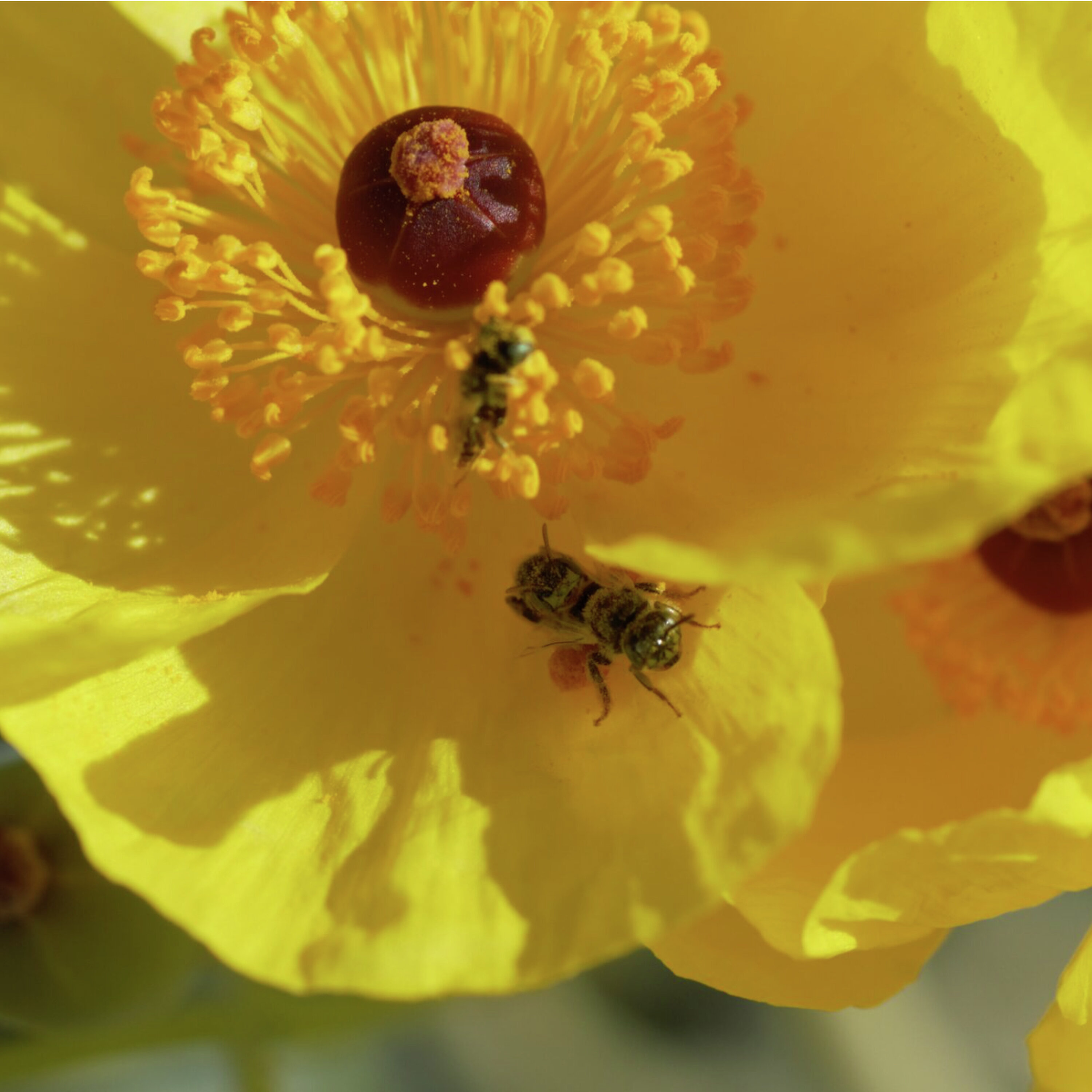
Every spring, brilliant orange globemallow flowers brighten the desert landscape, but their importance goes far beyond their beauty. Learn about one of the Southwest's most recognizable native wildflowers, its role in supporting pollinators and wildlife, and the ways native plants help desert ecosystems recover and thrive.
10
July 11, 2023
S2E10 Save Ash Meadows!
Ash Meadows National Wildlife Refuge is one of the most extraordinary desert oases on Earth, home to crystal-clear springs and species found nowhere else. This episode explores the refuge's unique ecology, the conservation challenges it faces, and why protecting desert water is vital for preserving biodiversity throughout the Southwest.
Guest: Mason Voehl
7
April 23, 2023
S2E7: Superb Loom
A desert superbloom is one of nature's most spectacular events, transforming dry landscapes into seas of wildflowers after the right combination of rain and temperature. This episode explores what causes these rare displays, why they don't happen every wet year, and how visitors can experience a superbloom while helping protect the fragile habitats that make it possible.
2
Jan. 18, 2023
S2E2: Remembering Phil Pister
Few people have done more to protect the desert than Phil Pister. In this tribute, we remember the pioneering conservationist whose work helped save California's desert fishes from extinction and inspired generations of environmental advocates. We reflect on his legacy, his approach to conservation, and the lasting impact of a life devoted to protecting some of the desert's smallest—and most remarkable—creatures.
1
Jan. 17, 2023
S2E1: Larrea tridentata a.k.a. the Humble Creosote
The creosote bush is so common across the Southwest that it's easy to overlook—but it may be the single most important plant in North American deserts. This episode explores the biology, ecology, and remarkable adaptations of Larrea tridentata, from its ancient clones to its role in supporting wildlife and shaping entire desert ecosystems. You'll never look at a creosote flat the same way again.
22
Nov. 28, 2022
S1E22: Season Finale! Ironwoods: the Sonoran Desert's Tree of Life. Plus thank you
Ironwood trees are among the ecological giants of the Sonoran Desert, supporting hundreds of species while helping entire ecosystems flourish. In the Season 1 finale, we celebrate this extraordinary tree, explore its biology and importance, and reflect on the first year of 90 Miles from Needles with thanks to the listeners who made it possible.
Guest: Petey Mesquitey
21
Nov. 7, 2022
S1E21: The Desert Tortoise Still Has a Chance
Despite decades of habitat loss and declining populations, there are still reasons for optimism about the Mojave Desert tortoise. This episode explores the threats facing this iconic reptile, the conservation efforts showing promise, and why protecting connected desert habitat remains essential to its recovery.
Guests: Tim Shields , Luke Basulto
17
Sept. 7, 2022
S1E17: Mylar Balloons: threat or menace? plus Joshua Tree NP AMA
The colorful balloons released at celebrations often end their journeys tangled in desert vegetation or scattered across remote landscapes. This episode looks at the surprising environmental impacts of mylar balloons, answers listener questions about Joshua Tree National Park, and explores how small choices can have lasting consequences for the desert.
Guests: David Smith , Christian Daniels
14
July 21, 2022
S1E14 The Bean Trees! But first, please help us
Mesquite, palo verde, and ironwood are often called the bean trees of the desert, providing food, shelter, and stability for countless other species. This episode explores the remarkable ecology of these legumes while also sharing how listeners can support independent desert journalism and conservation.
9
May 8, 2022
S1E9: Saving the Western Joshua tree
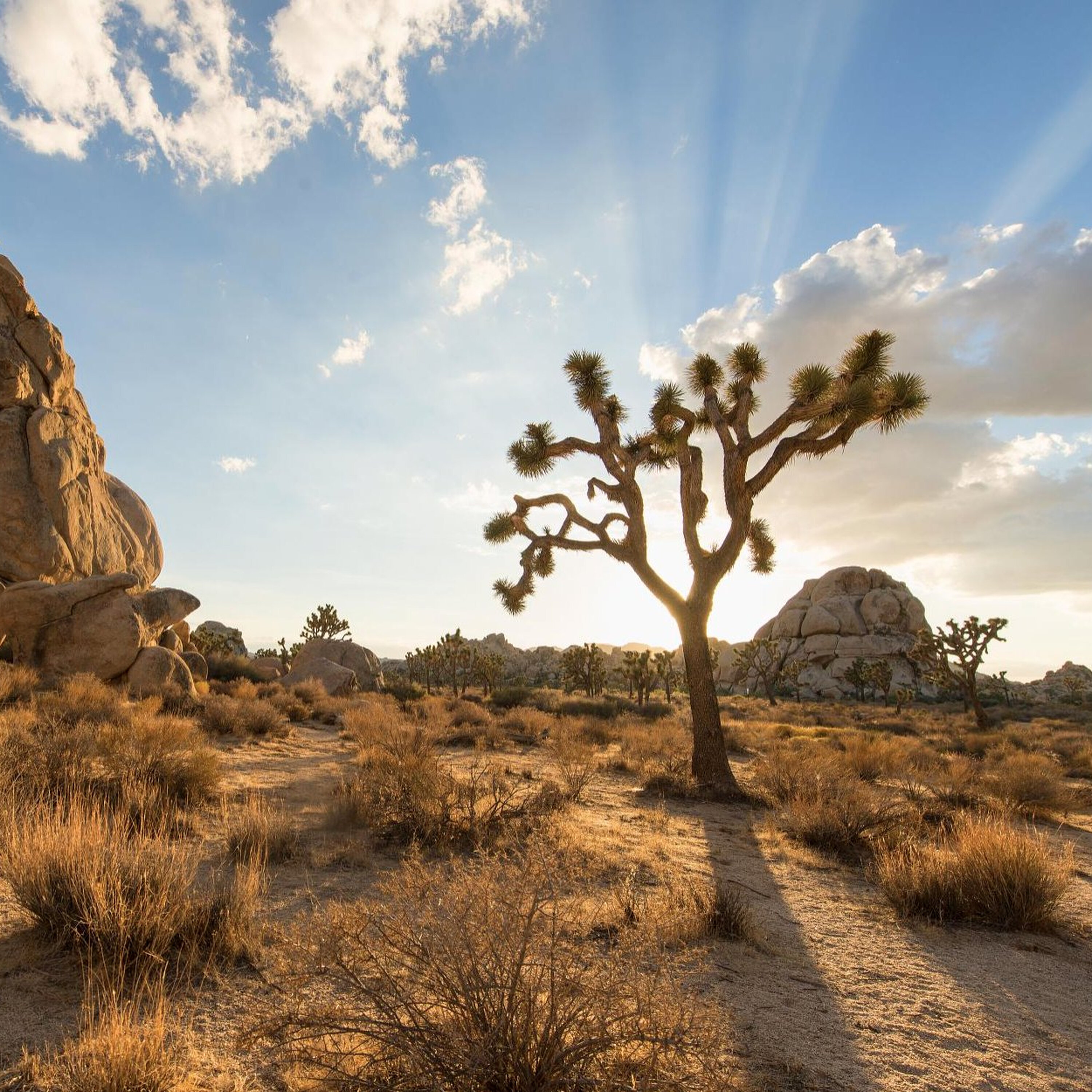
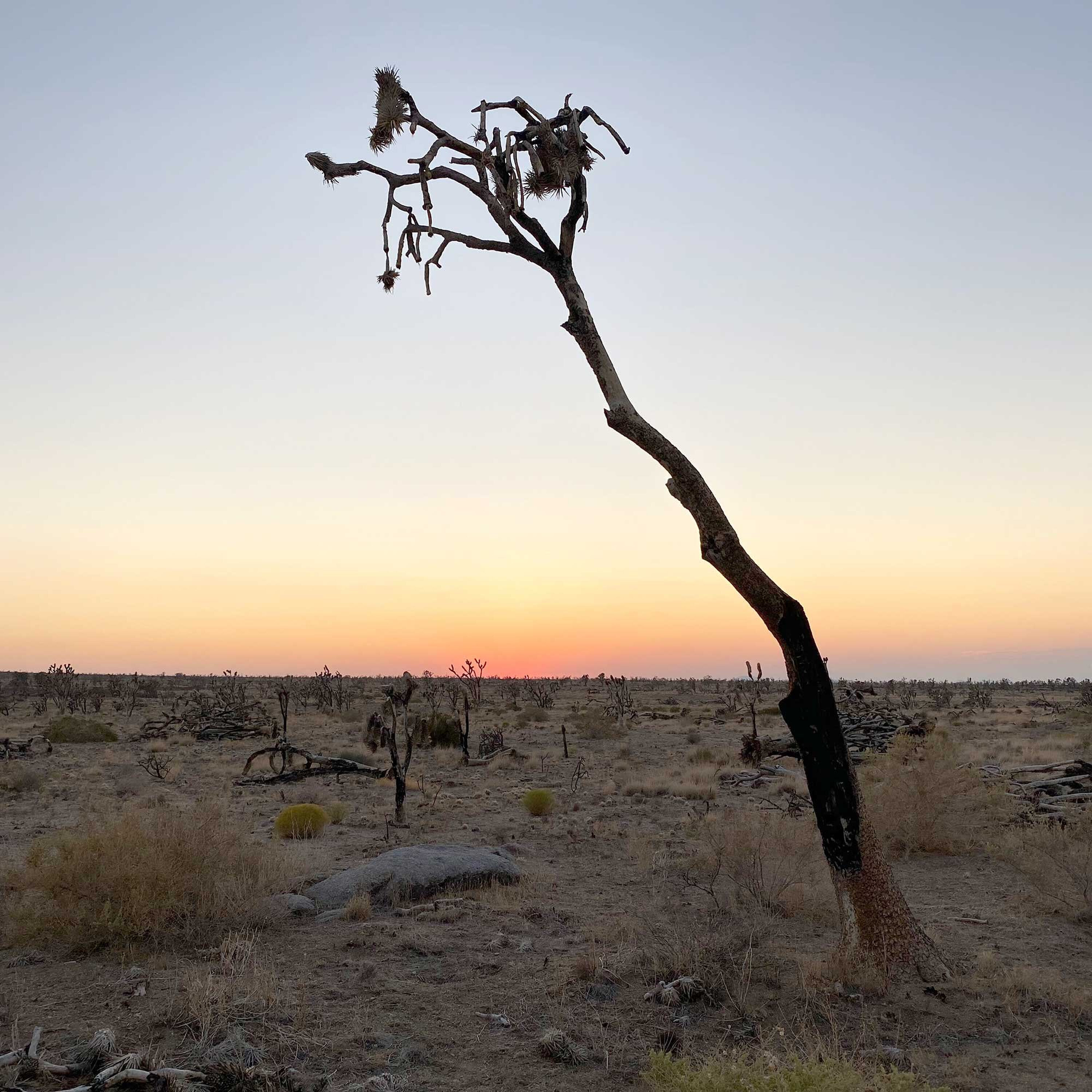
The western Joshua tree has become the center of one of California's most recognizable conservation battles. This episode explores the threats facing this iconic species, the debate over legal protections, and why the future of the Joshua tree is closely tied to the changing climate of the Mojave Desert.
Guests: Brendan Cummings , Christina Sanchez
8
April 22, 2022
S1E8: The IPCC Lets the Deserts Down
The world's leading climate report contains thousands of pages, yet deserts often receive surprisingly little attention. This episode examines how the Intergovernmental Panel on Climate Change addresses arid lands, what was overlooked, and why deserts deserve a much larger role in conversations about climate change and adaptation.
7
April 1, 2022
S1E7: This Desert Fish was Declared Extinct. Now It Thrives.
For years, scientists believed this remarkable desert fish had disappeared forever—until an extraordinary rediscovery changed everything. This episode tells one of the desert's greatest conservation success stories and explores how determined scientists and conservationists helped bring a species back from the brink.
Guests: Mason Voehl , Susan Sorrells
6
March 16, 2022
S1E6: Co(yot)existence — how to live with coyotes
Coyotes are among the most adaptable animals in North America, thriving in deserts, suburbs, and cities alike. This episode explores the fascinating biology and behavior of coyotes while offering practical advice for peacefully coexisting with one of the Southwest's most misunderstood predators.