Episodes
8
May 29, 2023
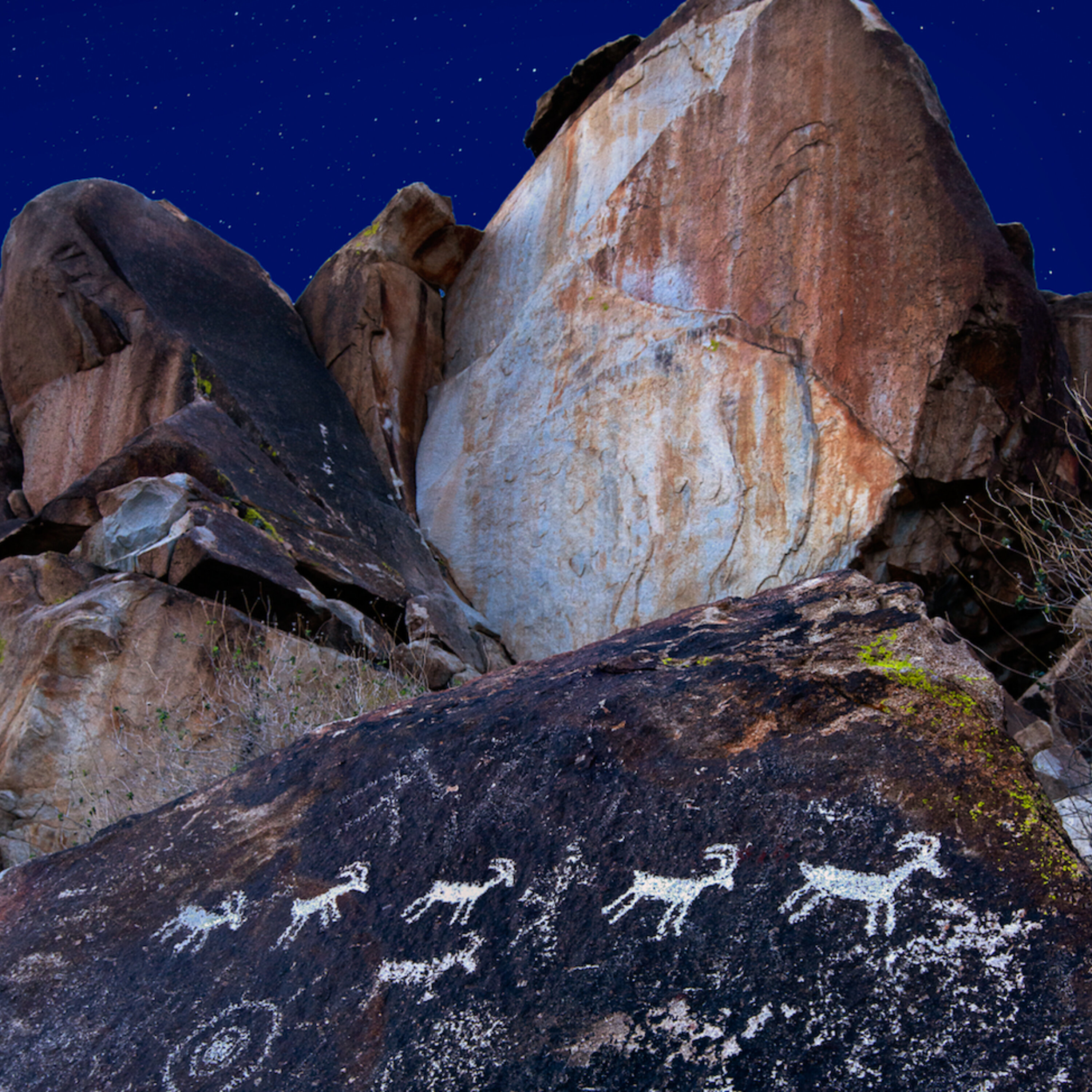
S2E8: Native Activism in the Desert
Across the Southwest, Indigenous communities are leading efforts to protect sacred places, public lands, and cultural traditions. In this episode, Native advocates discuss the connections between environmental stewardship, tribal sovereignty, and the enduring relationship between people and the desert landscape.
Guest: Elizabeth Paige
7
April 23, 2023
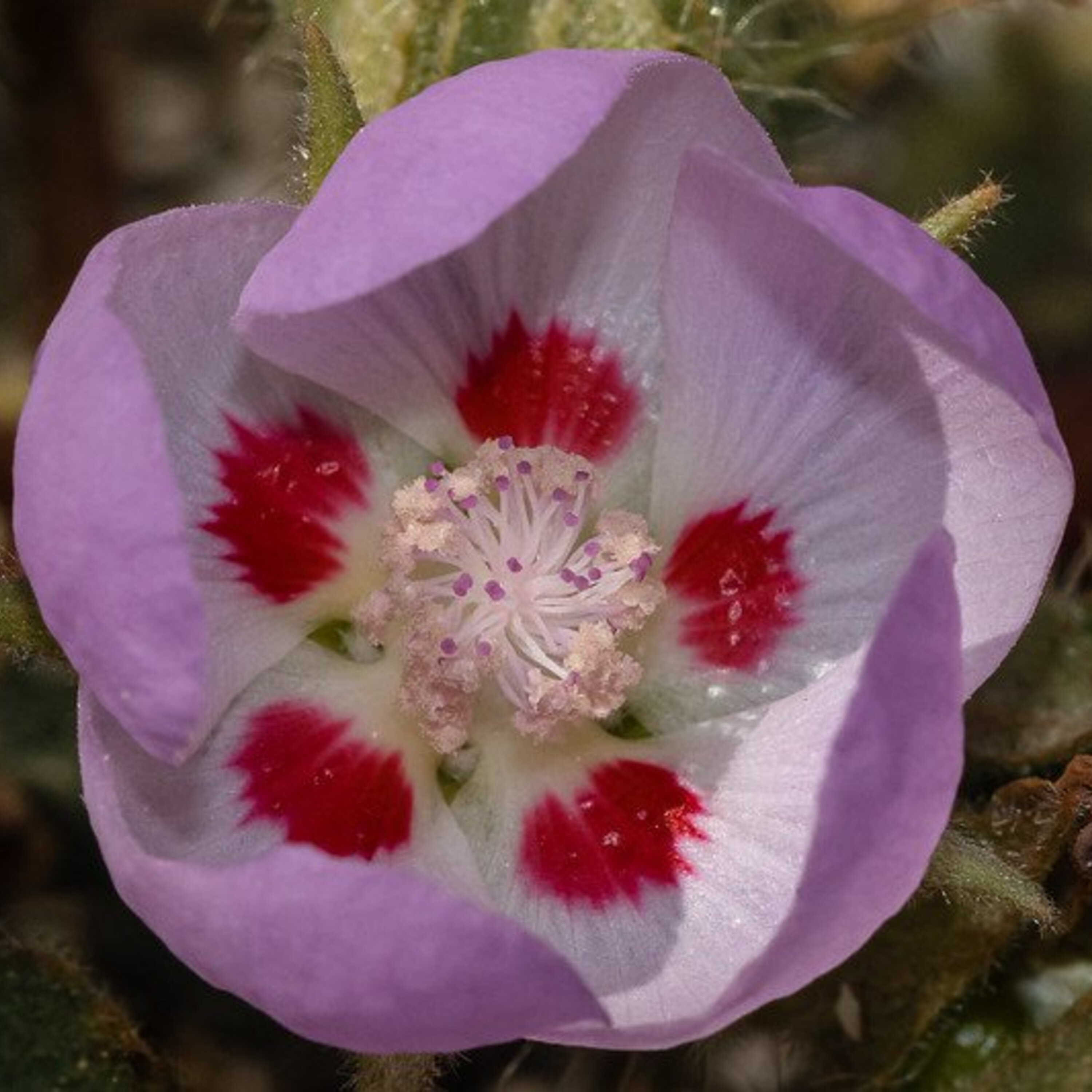
S2E7: Superb Loom
A desert superbloom is one of nature's most spectacular events, transforming dry landscapes into seas of wildflowers after the right combination of rain and temperature. This episode explores what causes these rare displays, why they don't happen every wet year, and how visitors can experience a superbloom while helping protect the fragile habitats that make it possible.

6
April 9, 2023
S2E6: Border Chronicle: Biden Still Building Trump's Border Wall
Even after the Trump administration ended, border wall construction—and its environmental consequences—continued in unexpected ways. Featuring reporting from The Border Chronicle, this episode examines ongoing border infrastructure projects, their effects on wildlife and desert ecosystems, and the complicated politics surrounding conservation along the U.S.–Mexico border.
5
March 19, 2023
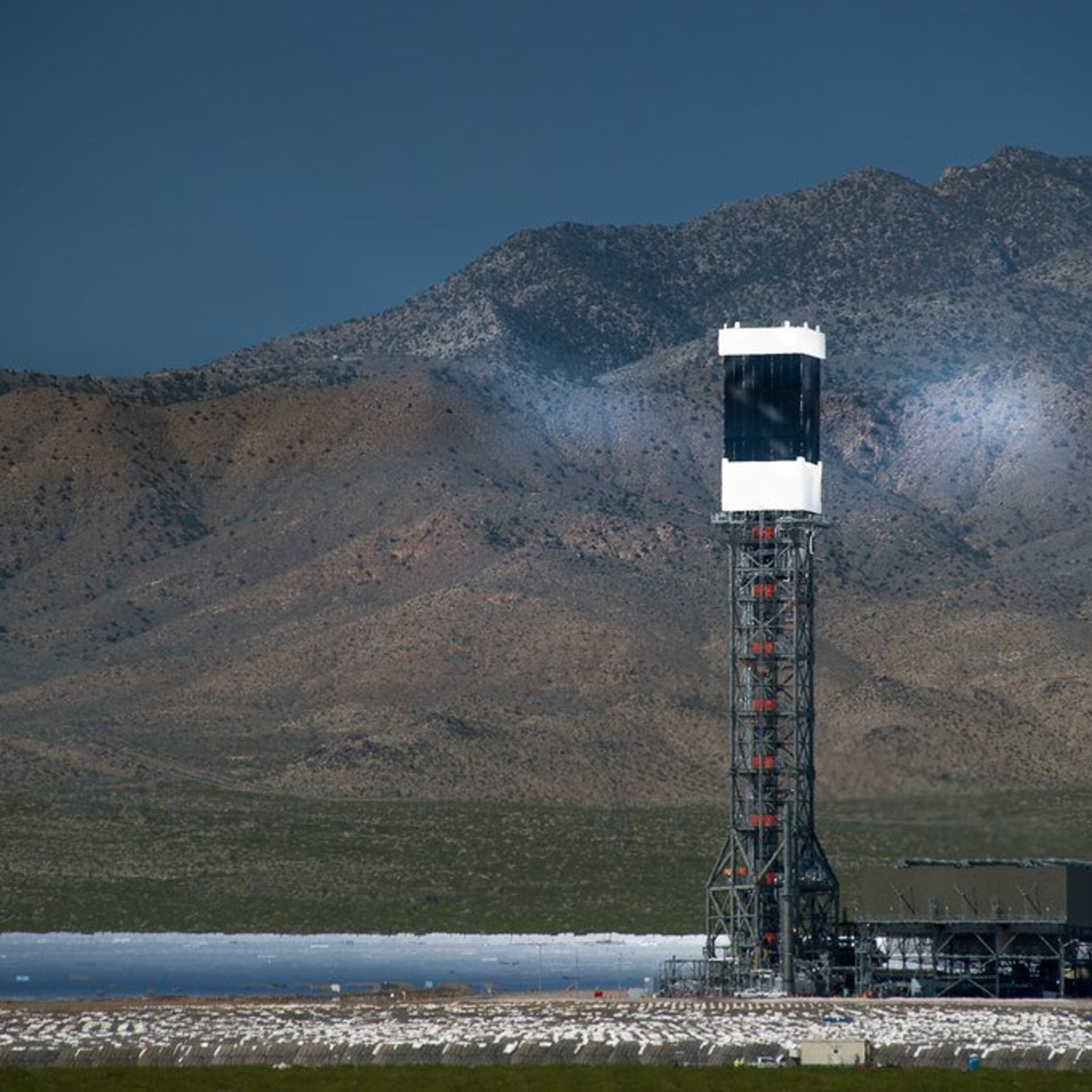
S2E5: The Problems with Desert Solar
Renewable energy is essential for addressing climate change—but where we build it matters. This episode looks at the ecological costs of poorly sited utility-scale solar projects in the desert and discusses how better planning can protect wildlife, intact ecosystems, and public lands while still accelerating the transition to clean energy.
4
Feb. 18, 2023
S2E4: Protecting Wonder Valley
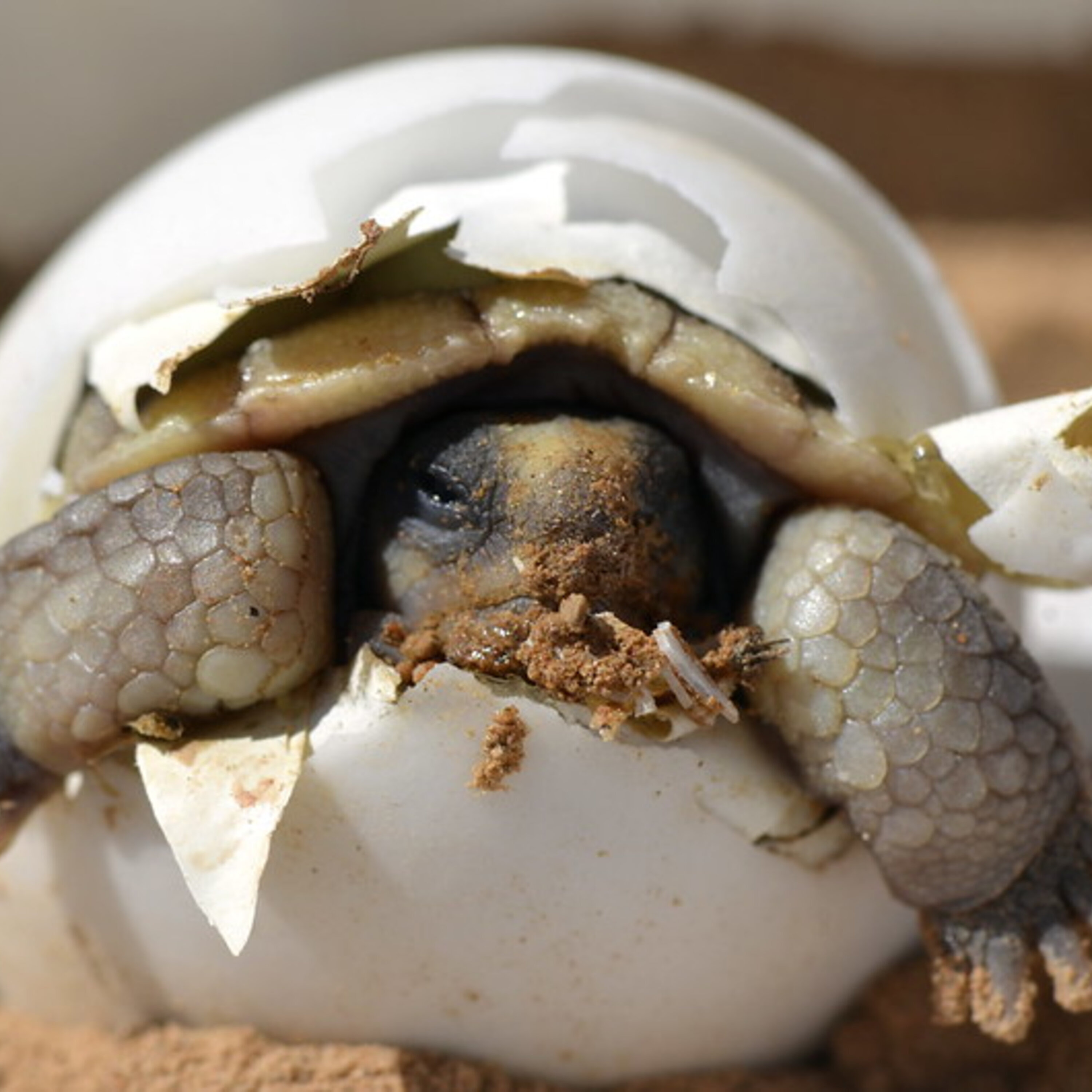
Wonder Valley is more than a quiet Mojave community—it's a place where residents are working together to defend the character of their desert home. This episode explores the challenges facing Wonder Valley, from industrial development to land-use conflicts, and highlights how local organizing can help protect both communities and the landscapes that surround them.
Guest: Luke Basulto
3
Feb. 2, 2023
S2E3: Governor Ducey's Border Wall Comes Down
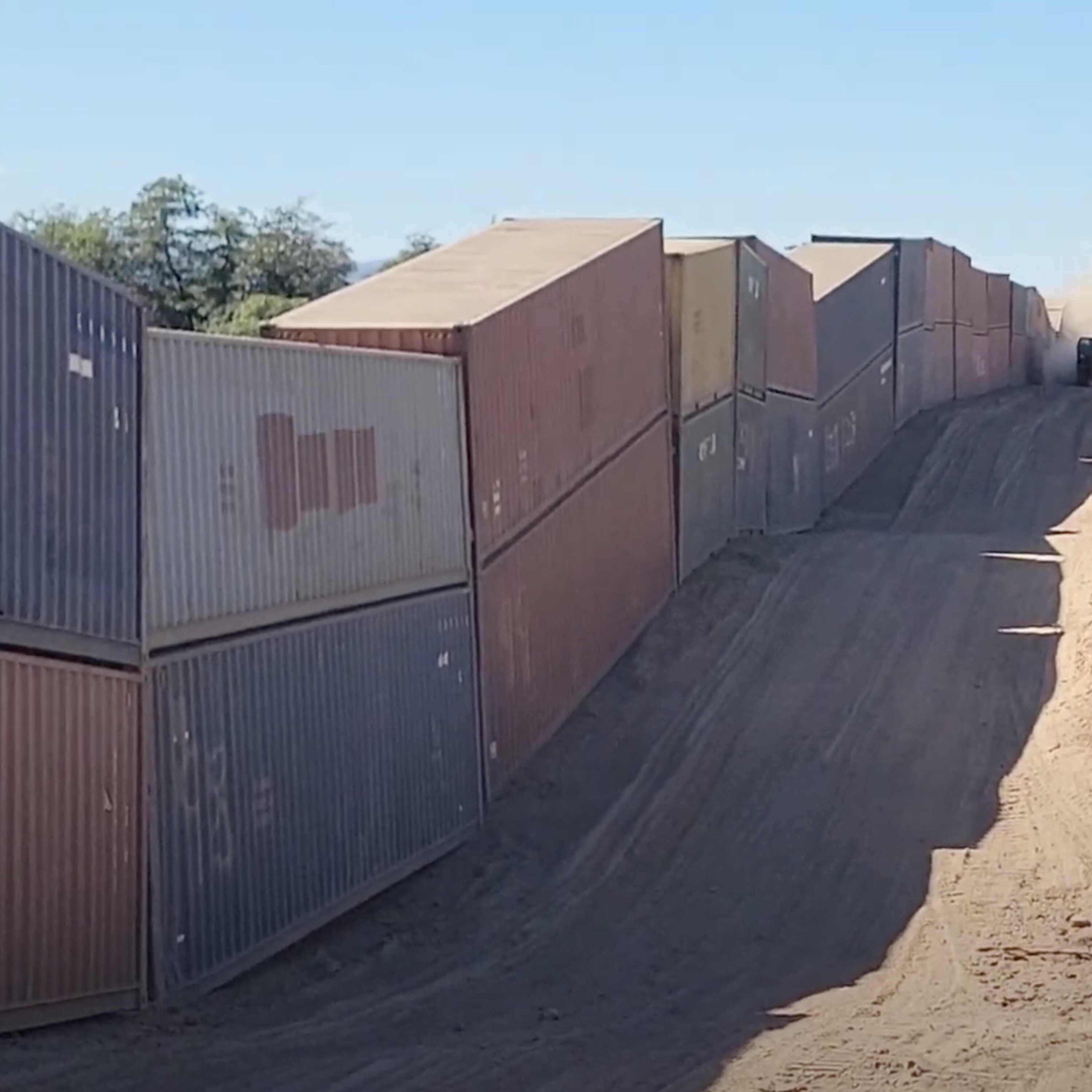
Arizona's controversial shipping-container border wall was erected in a matter of weeks—but dismantling it became a powerful symbol of the legal and political battles surrounding border policy. This episode examines why the barrier was built, the environmental damage it caused, and what its removal means for wildlife, public lands, and the future of the U.S.–Mexico border.
Guest: Melissa del Bosque

2
Jan. 18, 2023
S2E2: Remembering Phil Pister
Few people have done more to protect the desert than Phil Pister. In this tribute, we remember the pioneering conservationist whose work helped save California's desert fishes from extinction and inspired generations of environmental advocates. We reflect on his legacy, his approach to conservation, and the lasting impact of a life devoted to protecting some of the desert's smallest—and most remarkable—creatures.

1
Jan. 17, 2023
S2E1: Larrea tridentata a.k.a. the Humble Creosote
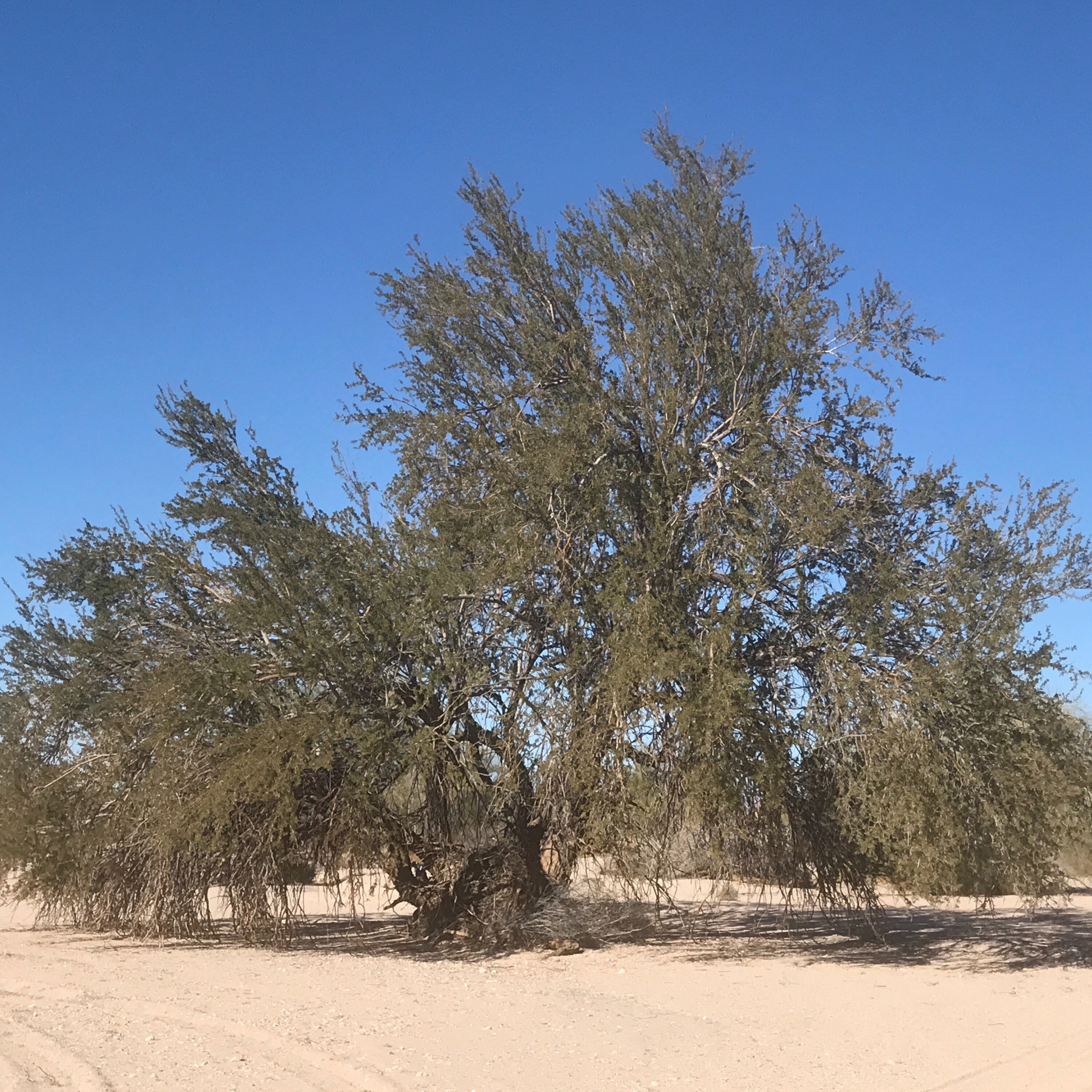
The creosote bush is so common across the Southwest that it's easy to overlook—but it may be the single most important plant in North American deserts. This episode explores the biology, ecology, and remarkable adaptations of Larrea tridentata, from its ancient clones to its role in supporting wildlife and shaping entire desert ecosystems. You'll never look at a creosote flat the same way again.
22
Nov. 28, 2022
S1E22: Season Finale! Ironwoods: the Sonoran Desert's Tree of Life. Plus thank you
Ironwood trees are among the ecological giants of the Sonoran Desert, supporting hundreds of species while helping entire ecosystems flourish. In the Season 1 finale, we celebrate this extraordinary tree, explore its biology and importance, and reflect on the first year of 90 Miles from Needles with thanks to the listeners who made it possible.
Guest: Petey Mesquitey
21
Nov. 7, 2022
S1E21: The Desert Tortoise Still Has a Chance
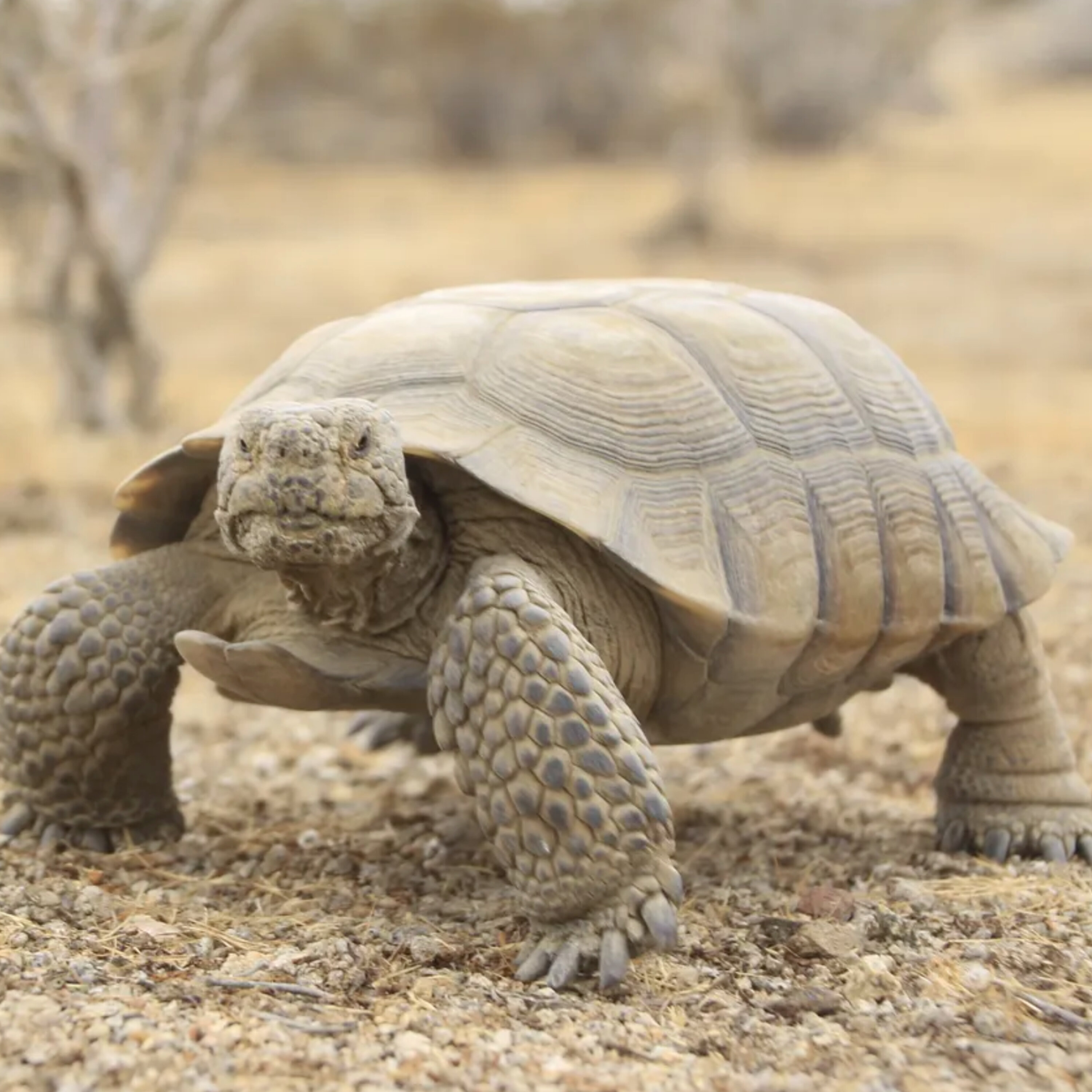
Despite decades of habitat loss and declining populations, there are still reasons for optimism about the Mojave Desert tortoise. This episode explores the threats facing this iconic reptile, the conservation efforts showing promise, and why protecting connected desert habitat remains essential to its recovery.
Guests: Tim Shields , Luke Basulto
20
Oct. 25, 2022
S1E20: California still doesn't know what to do about the western Joshua tree
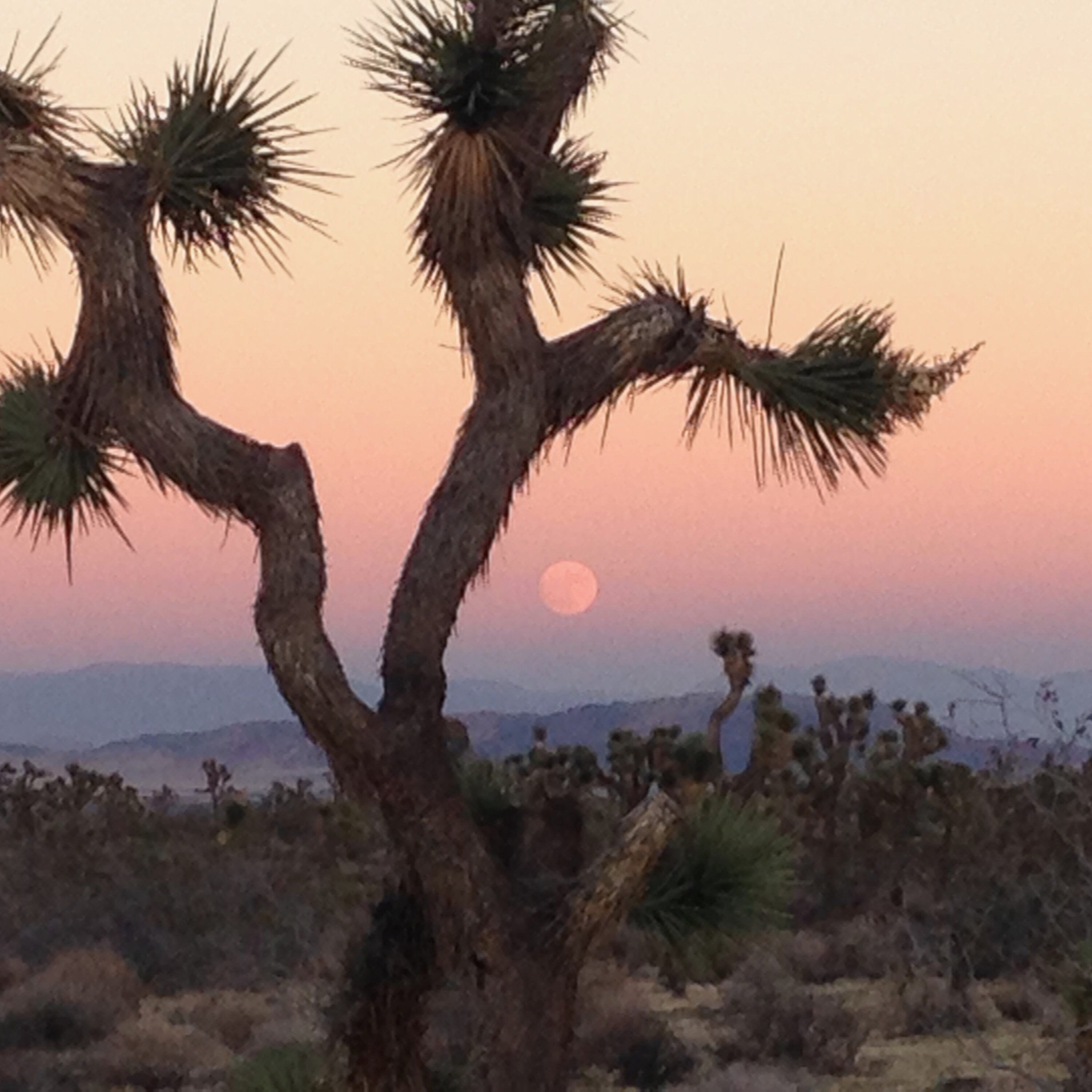
The debate over protecting California's western Joshua tree continued long after the initial proposal for legal protection. This episode provides an update on the political and scientific discussions surrounding the species and explains why decisions made today will shape the future of one of the Mojave Desert's defining plants.
Guest: Brendan Cummings
19
Oct. 11, 2022
S1E19: Shannon Salter Fights to Save the Desert
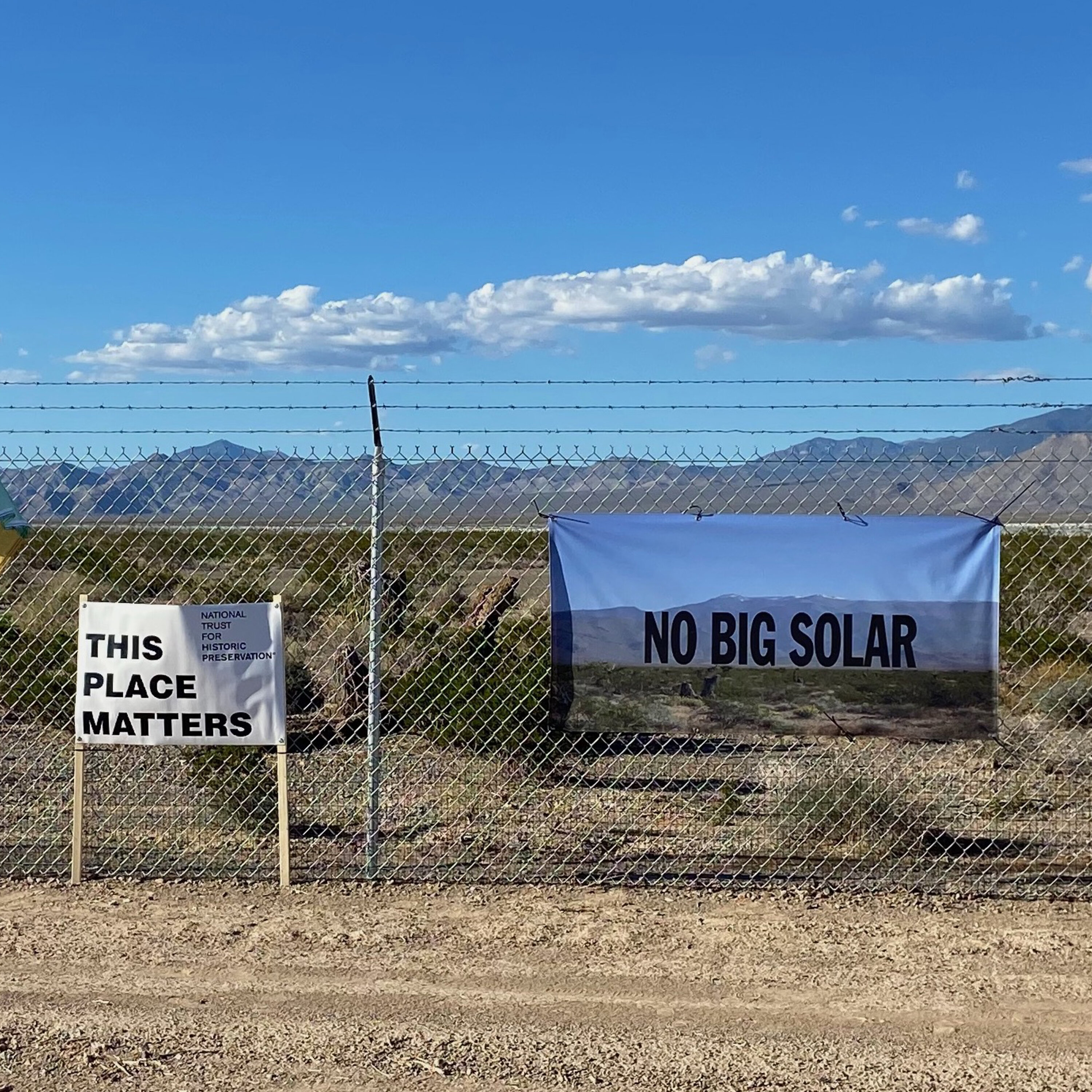
At a demonstration in the Nevada Mojave, environmental advocate Shannon Salter discussed the growing pressures facing the desert Southwest and the campaigns working to protect public lands and wildlife. Together we explore grassroots organizing, effective advocacy, and why individual voices continue to make a difference.
18
Sept. 21, 2022
S1E18 Chris is Stressed Out + Some Good News
Conservation work can be exhausting, especially when environmental setbacks seem relentless. In this personal episode, Chris reflects on activist burnout, the emotional challenges of protecting the desert, and the encouraging successes that remind us why the work is still worth doing.
17
Sept. 7, 2022
S1E17: Mylar Balloons: threat or menace? plus Joshua Tree NP AMA
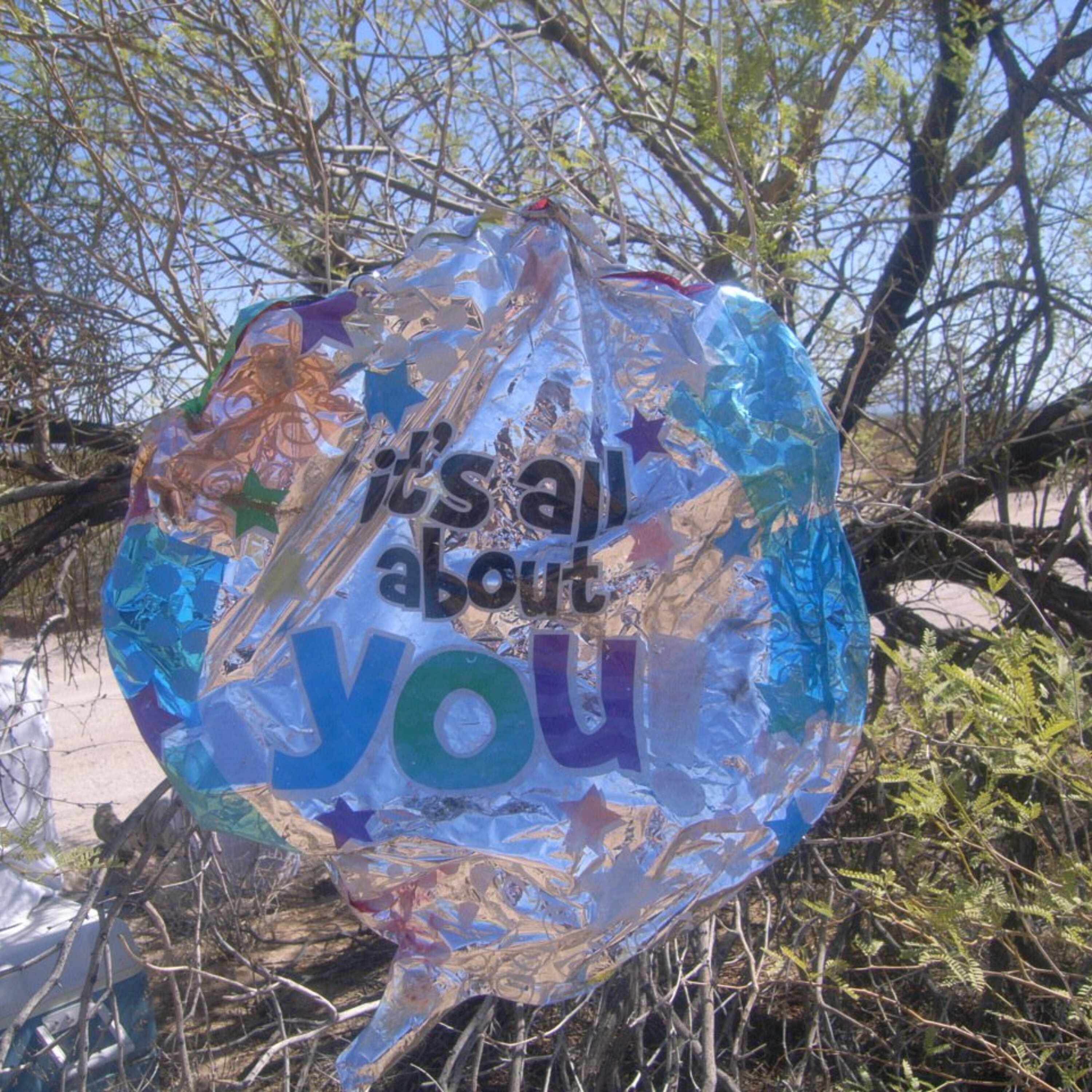
The colorful balloons released at celebrations often end their journeys tangled in desert vegetation or scattered across remote landscapes. This episode looks at the surprising environmental impacts of mylar balloons, answers listener questions about Joshua Tree National Park, and explores how small choices can have lasting consequences for the desert.
Guests: David Smith , Christian Daniels
16
Aug. 21, 2022
S1E16 Flood and Drought; Death Valley and the Great Salt Lake
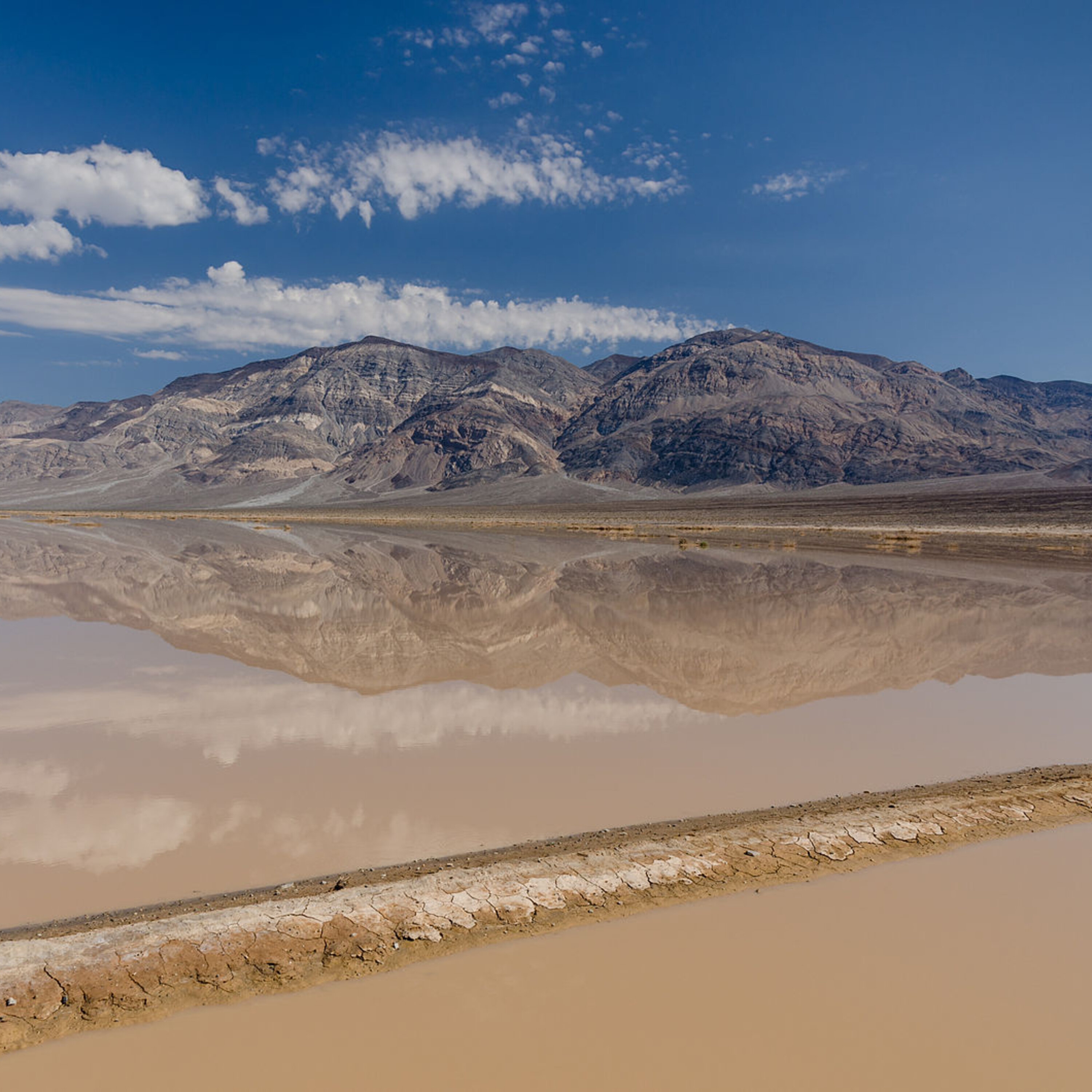
Extreme drought and catastrophic flooding can seem like opposites, yet both are becoming defining features of the modern Southwest. This episode examines recent events in Death Valley and the Great Salt Lake, exploring what they reveal about climate change, water management, and the future of desert landscapes.
Guests: David Smith , Zachary Frankel
15
Aug. 7, 2022
S1E15 What Keeps You Going plus Bristlecone Pines
Bristlecone pines are among the oldest living organisms on Earth, surviving for thousands of years in some of the harshest environments imaginable. This episode pairs their extraordinary story and new threats to the trees with a reflection on resilience, asking what keeps people motivated to continue protecting the desert even when progress feels slow.
Guest: Louis Sahagun
14
July 21, 2022
S1E14 The Bean Trees! But first, please help us
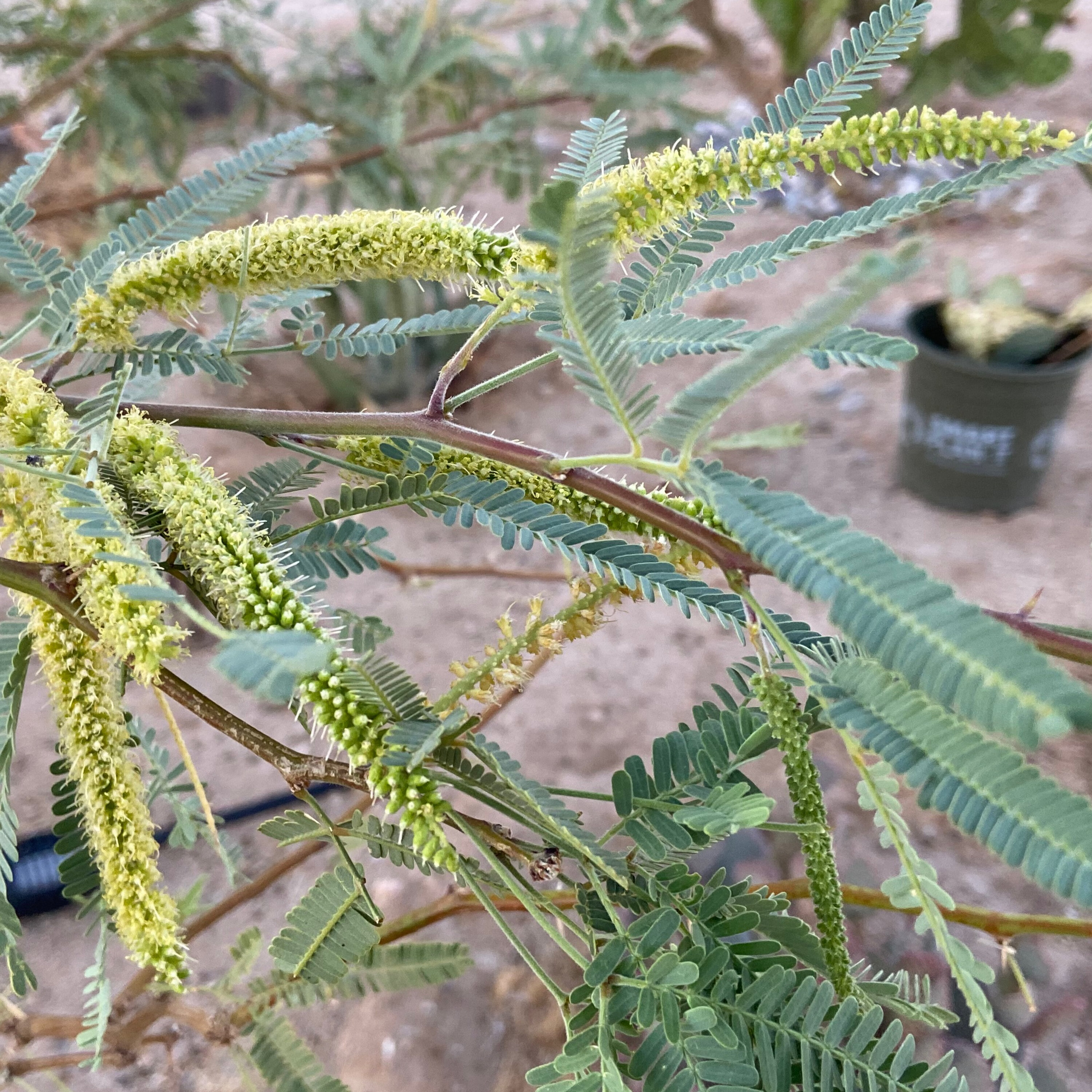
Mesquite, palo verde, and ironwood are often called the bean trees of the desert, providing food, shelter, and stability for countless other species. This episode explores the remarkable ecology of these legumes while also sharing how listeners can support independent desert journalism and conservation.
13
July 7, 2022
S1E13: Don't Die Today: Heat in the Desert
Desert heat is unforgiving, but many tragedies can be prevented with preparation and good decision-making. This episode offers practical advice for staying safe during extreme heat while explaining why deserts become dangerous so quickly when people underestimate the conditions.
12
June 20, 2022
S1E12: What's Happening to the Monsoon?
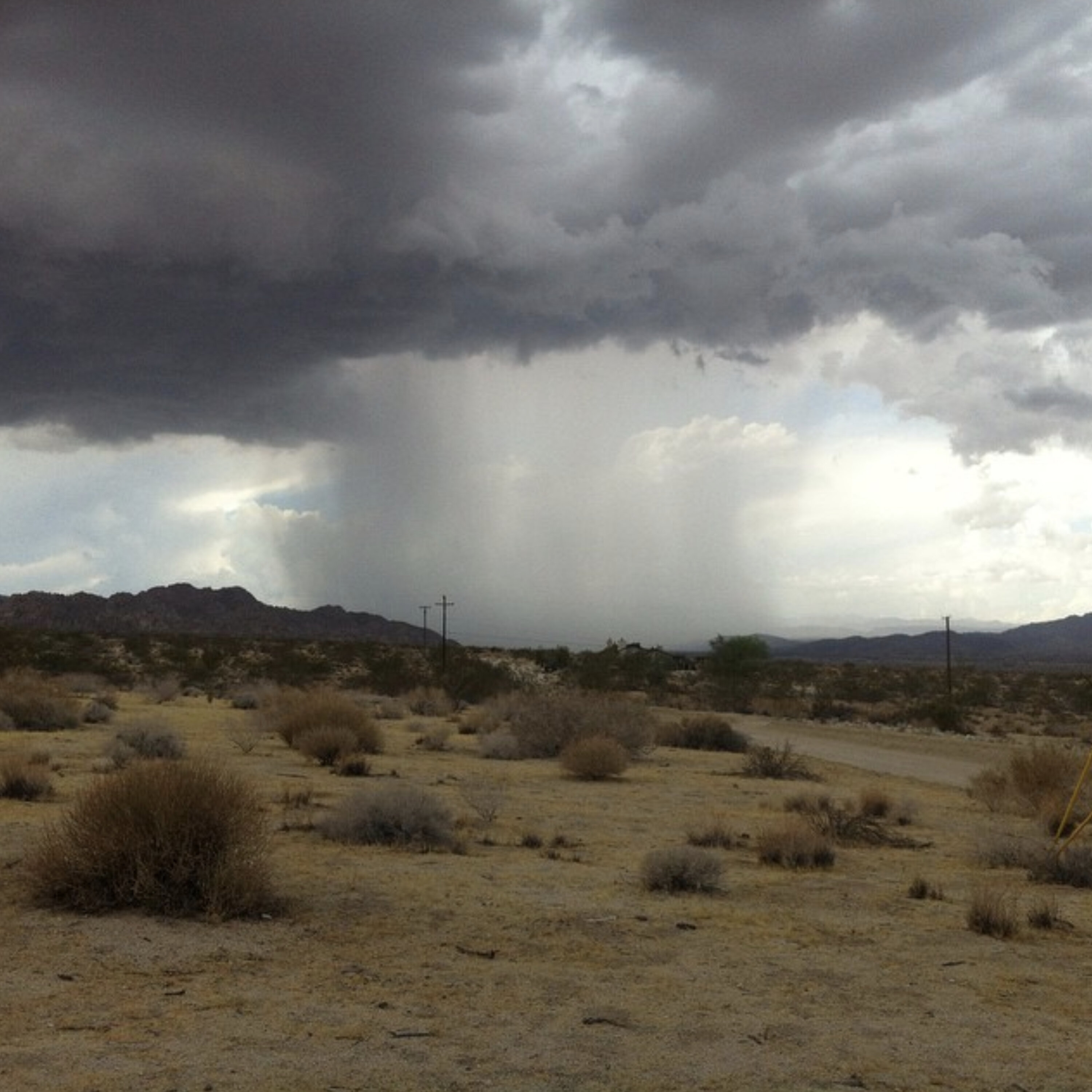
Summer monsoons shape life across the deserts of the Southwest, bringing relief from extreme heat and sustaining plants and wildlife. This episode explores how the North American Monsoon works, why it varies from year to year, and what scientists are learning about its future in a changing climate.
Guest: Jan Emming
11
June 7, 2022
S1E11: Deconstructing Ed Abbey
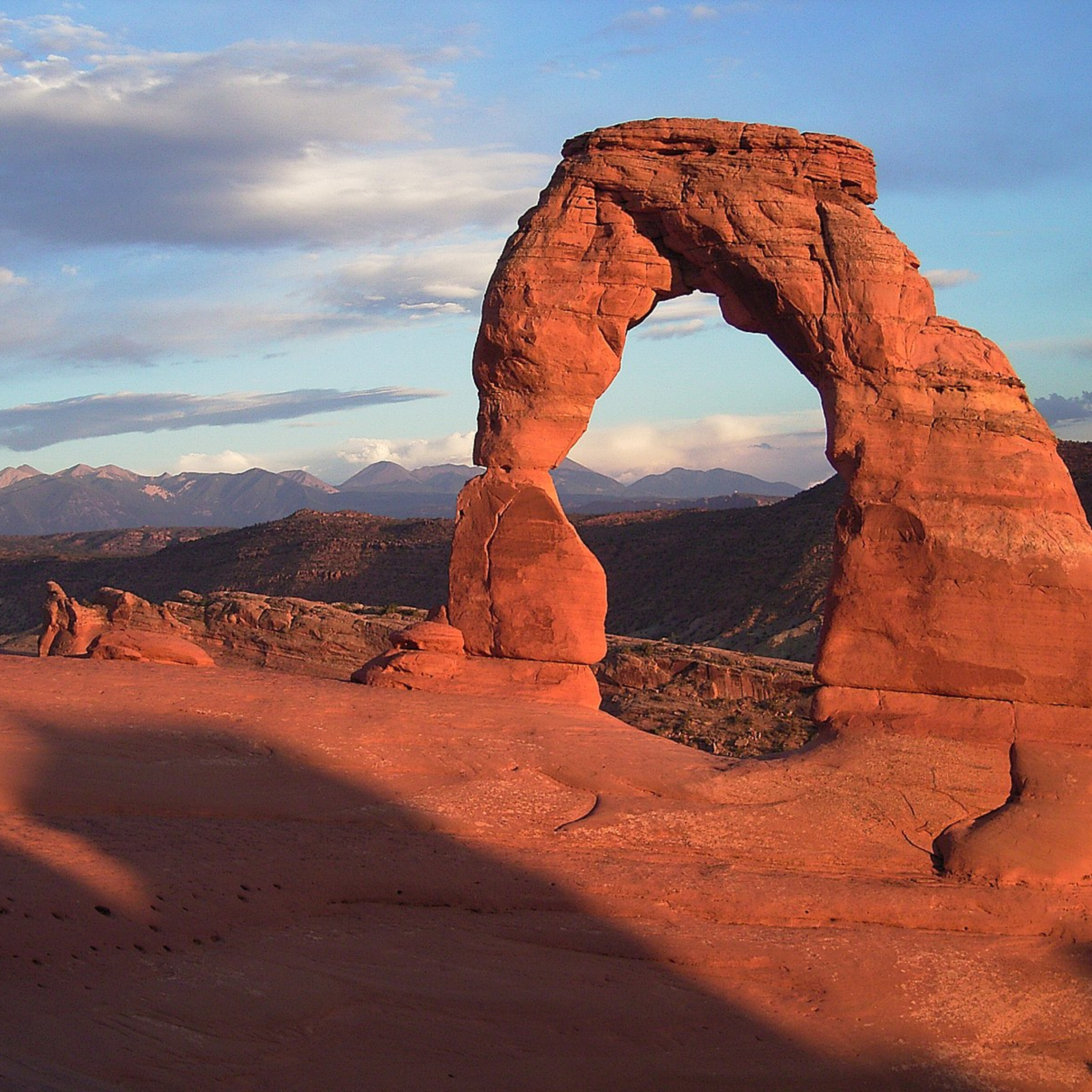
Edward Abbey remains one of the most influential—and controversial—writers ever to write about the American desert. This episode takes a thoughtful look at Abbey's ideas, his enduring influence on environmentalism, and the ways his legacy continues to inspire both admiration and debate.
10
May 21, 2022
S1E10: Remembering Phil Klasky and Ward Valley
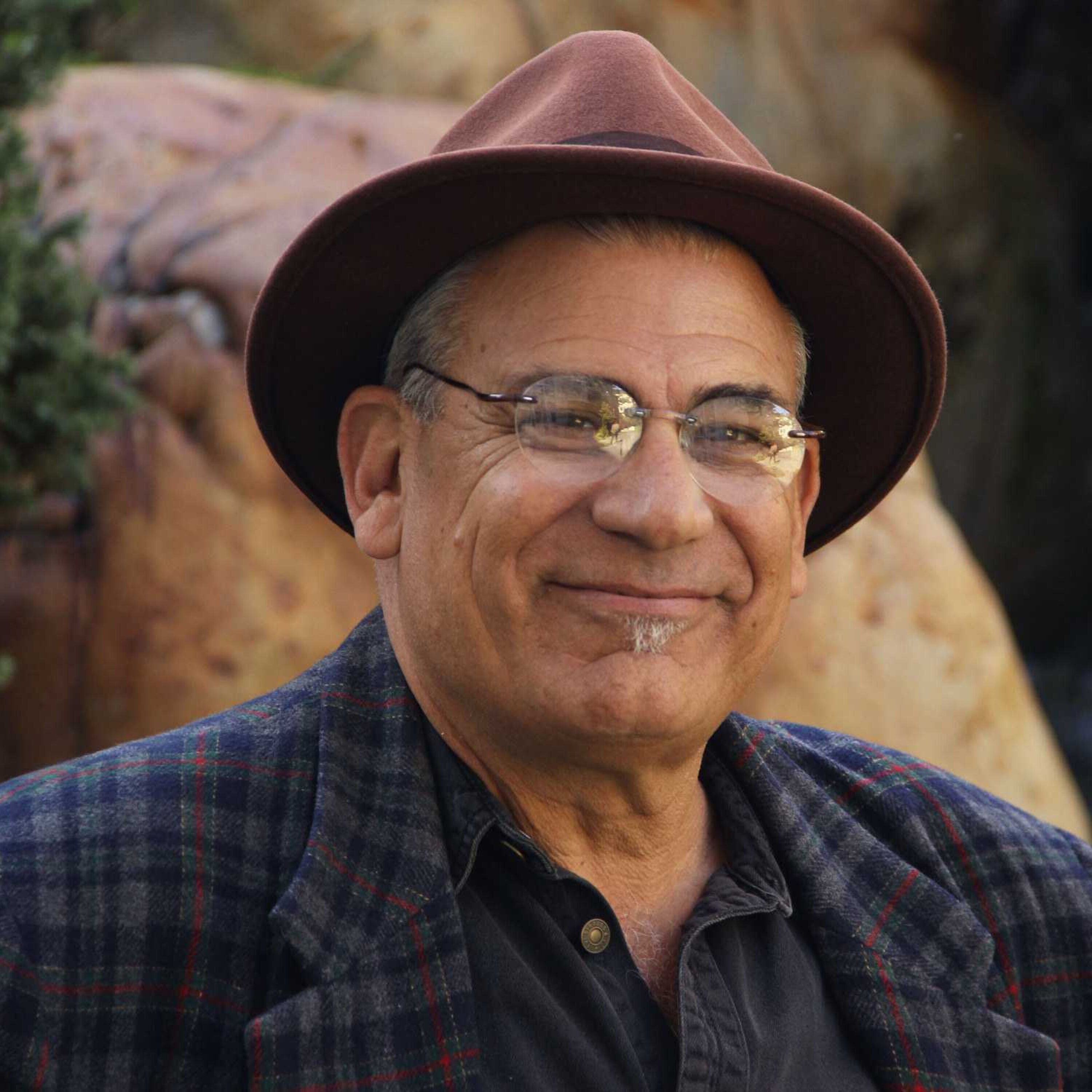
Phil Klasky devoted decades to protecting California's deserts, including the successful effort to stop a radioactive waste dump in Ward Valley. This episode honors his life and legacy while revisiting one of the most important environmental victories in modern desert conservation.
Guest: Matthew Leivas
9
May 8, 2022
S1E9: Saving the Western Joshua tree
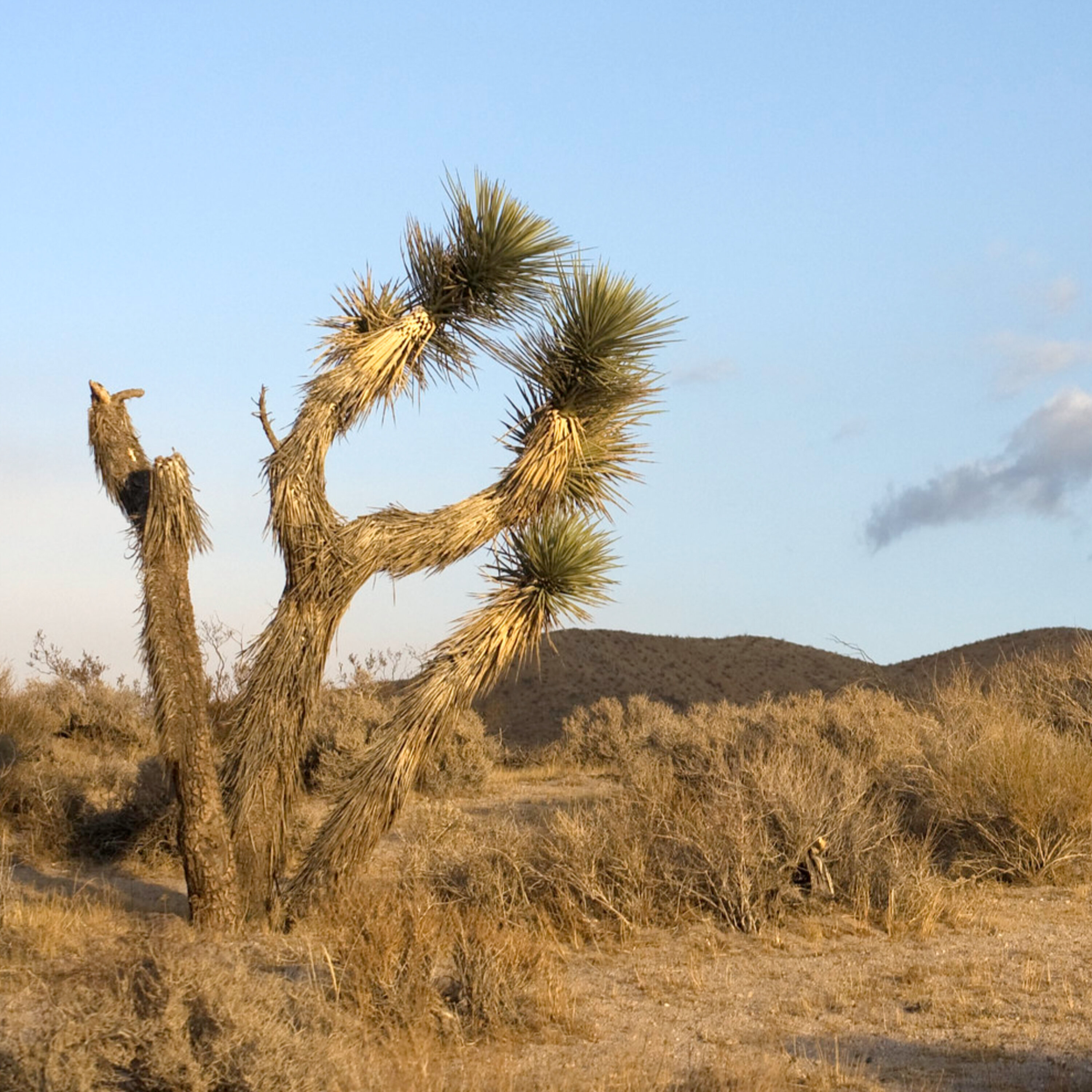
The western Joshua tree has become the center of one of California's most recognizable conservation battles. This episode explores the threats facing this iconic species, the debate over legal protections, and why the future of the Joshua tree is closely tied to the changing climate of the Mojave Desert.
Guests: Brendan Cummings , Christina Sanchez

8
April 22, 2022
S1E8: The IPCC Lets the Deserts Down
The world's leading climate report contains thousands of pages, yet deserts often receive surprisingly little attention. This episode examines how the Intergovernmental Panel on Climate Change addresses arid lands, what was overlooked, and why deserts deserve a much larger role in conversations about climate change and adaptation.

7
April 1, 2022
S1E7: This Desert Fish was Declared Extinct. Now It Thrives.
For years, scientists believed this remarkable desert fish had disappeared forever—until an extraordinary rediscovery changed everything. This episode tells one of the desert's greatest conservation success stories and explores how determined scientists and conservationists helped bring a species back from the brink.
Guests: Mason Voehl , Susan Sorrells