Episodes
6
Feb. 27, 2024
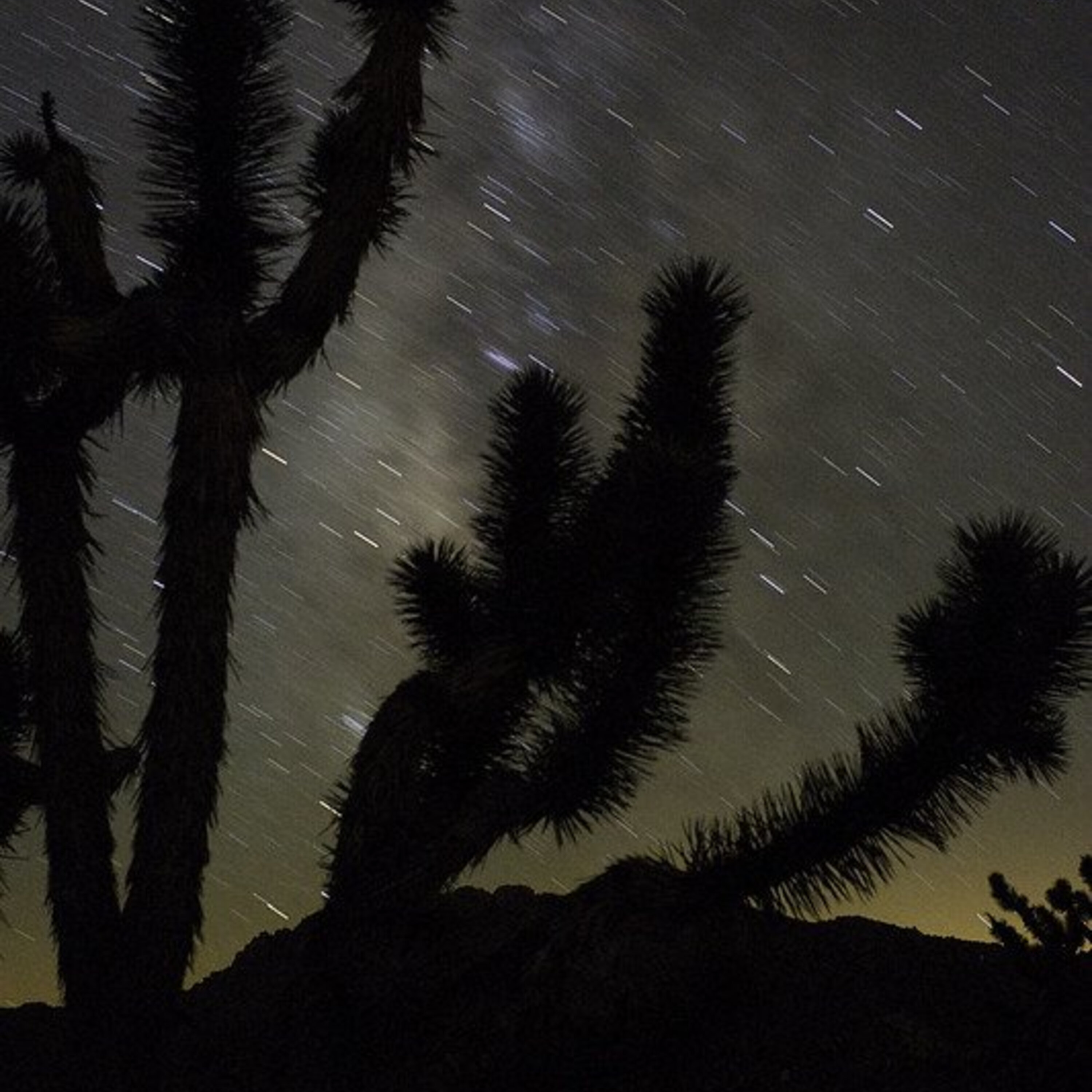
S3E6: Joshua Trees and Family Trees
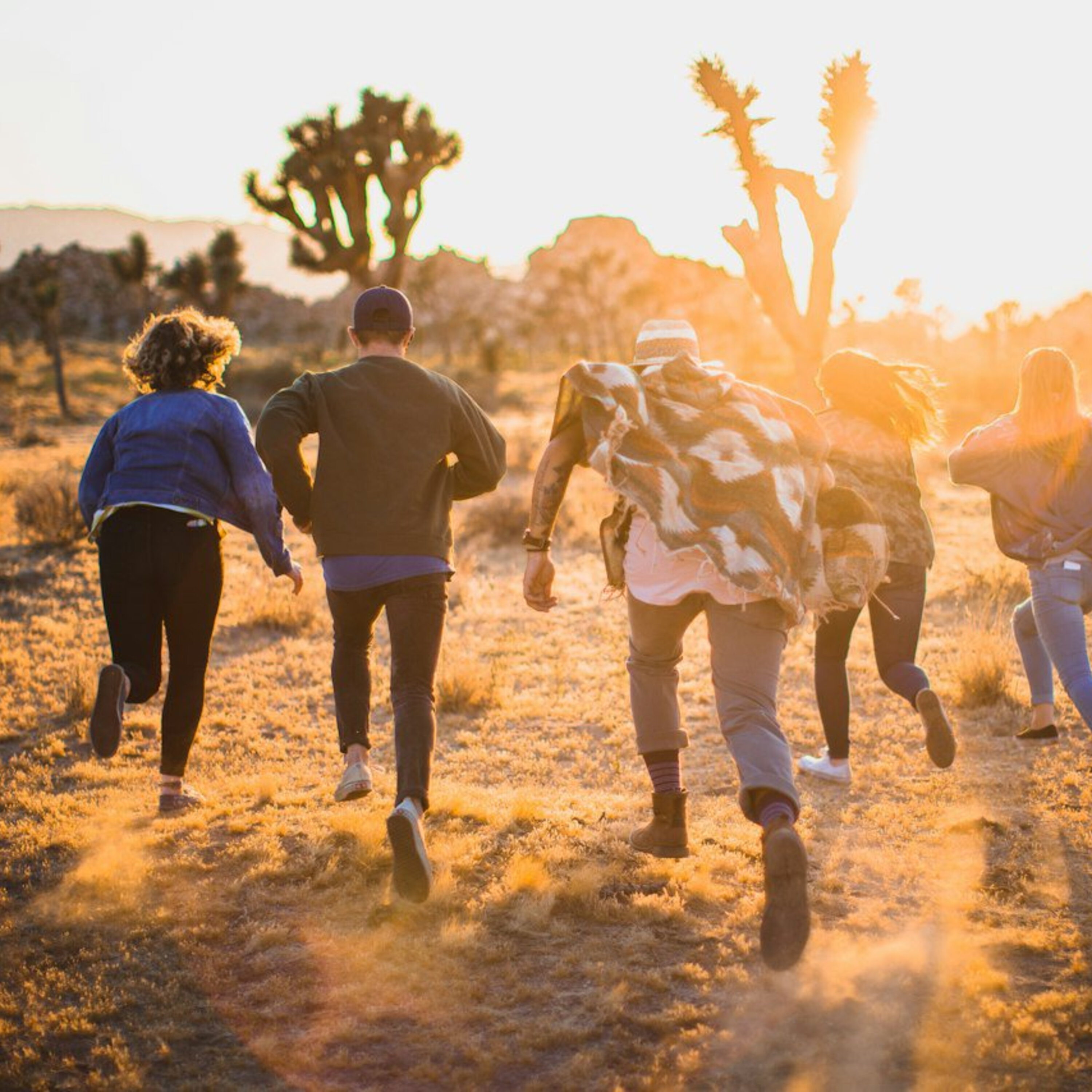
What can Joshua trees teach us about family? Chris Clarke reads an excerpt from his book in progress about the Mojave Desert's signature plant, weaving natural history with personal memory and reflections on kinship. Through encounters with Joshua trees and the landscapes they inhabit, he considers relationships among plants, animals, people, and place—and challenges the idea that nature consists of isolated individuals rather than communities of interconnected lives.
5
Feb. 20, 2024
S3E5: Protecting the Great Bend of the Gila
Arizona's Great Bend of the Gila holds an extraordinary concentration of Indigenous cultural sites, wildlife habitat, and largely intact Sonoran Desert landscape. Chris Clarke talks with advocates Skylar Begay and Mike Quigley about efforts to secure permanent protection for the region. They discuss its cultural and natural history, threats from development and destructive recreation, habitat for species including Sonoran pronghorn, and why protecting the Great Bend means recognizing a landscape shaped by thousands of years of human history.
Guests: Skylar Begay , Mike Quigley
4
Feb. 5, 2024
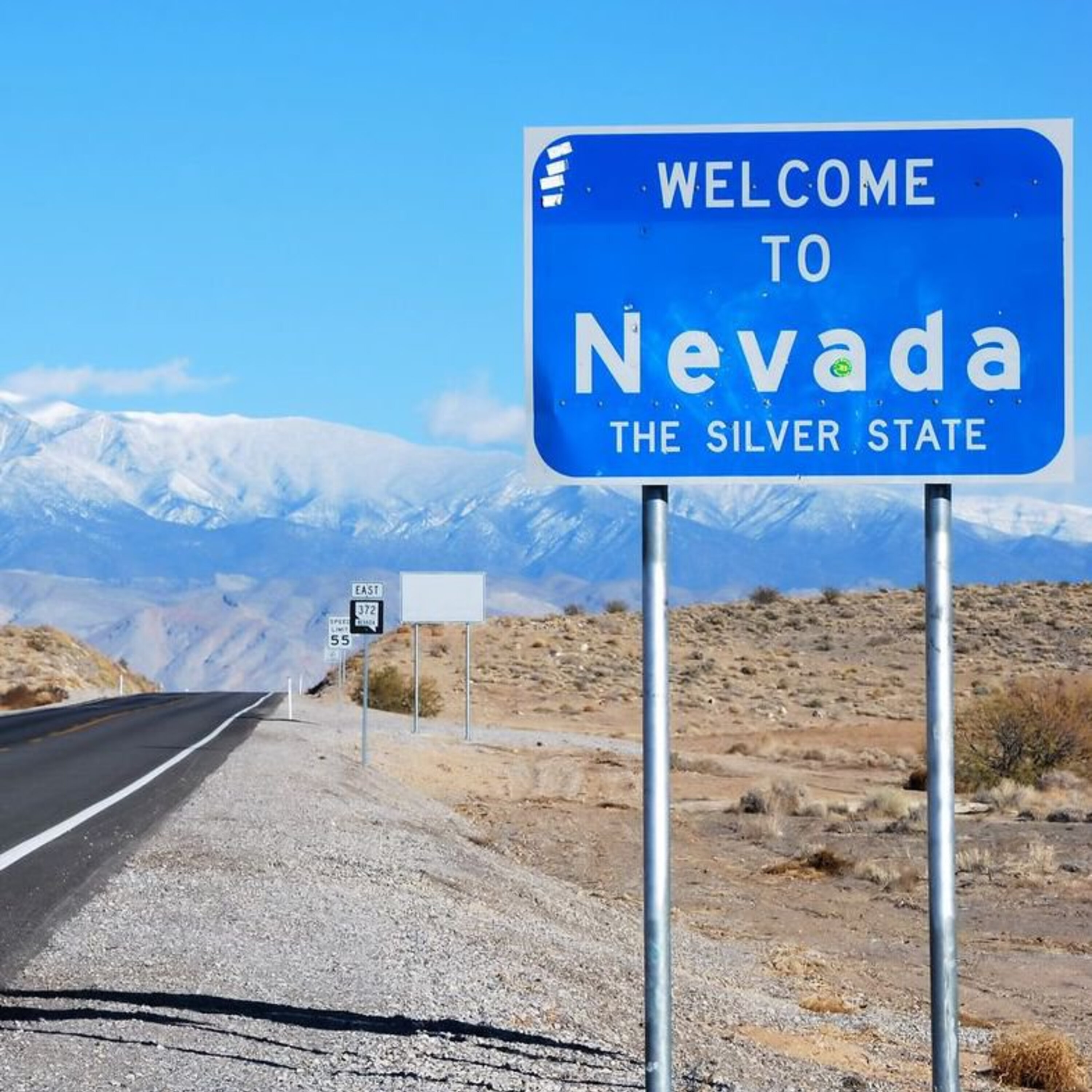
S3E4: Nevada Supreme Court Upholds Water Protections for Desert Wildlife
Groundwater and surface water may have different names, but ecologically they're often the same resource. Chris Clarke talks with Patrick Donnelly of the Center for Biological Diversity about a major Nevada Supreme Court decision involving Coyote Springs, a proposed desert city whose groundwater pumping could damage the Muddy River and endangered wildlife. The ruling affirms Nevada's ability to consider interconnected groundwater and surface-water systems together, with potentially important consequences for water management throughout the state's arid landscapes.
Guest: Patrick Donnelly
3
Jan. 29, 2024
S3E3: The Fight Against Flamingo 640; How a Community Stood Up to Big Development
When developers proposed a large glamping project called Flamingo 640 in California's Mojave Desert, local residents organized to stop it. Chris Clarke talks with Caroline Partamian, Justin Merino, and Luke Basulto about concerns over wildlife, traffic, noise, and the project's effects on the surrounding rural community. They recount how neighbors organized, challenged the proposal, and ultimately prevailed—a case study in how local activism can successfully shape land-use decisions and protect desert communities.
Guests: Caroline Partamian , Luke Basulto
2
Jan. 23, 2024
S3E2: Biden's Plan to Turn the Desert into a Solar Energy Complex
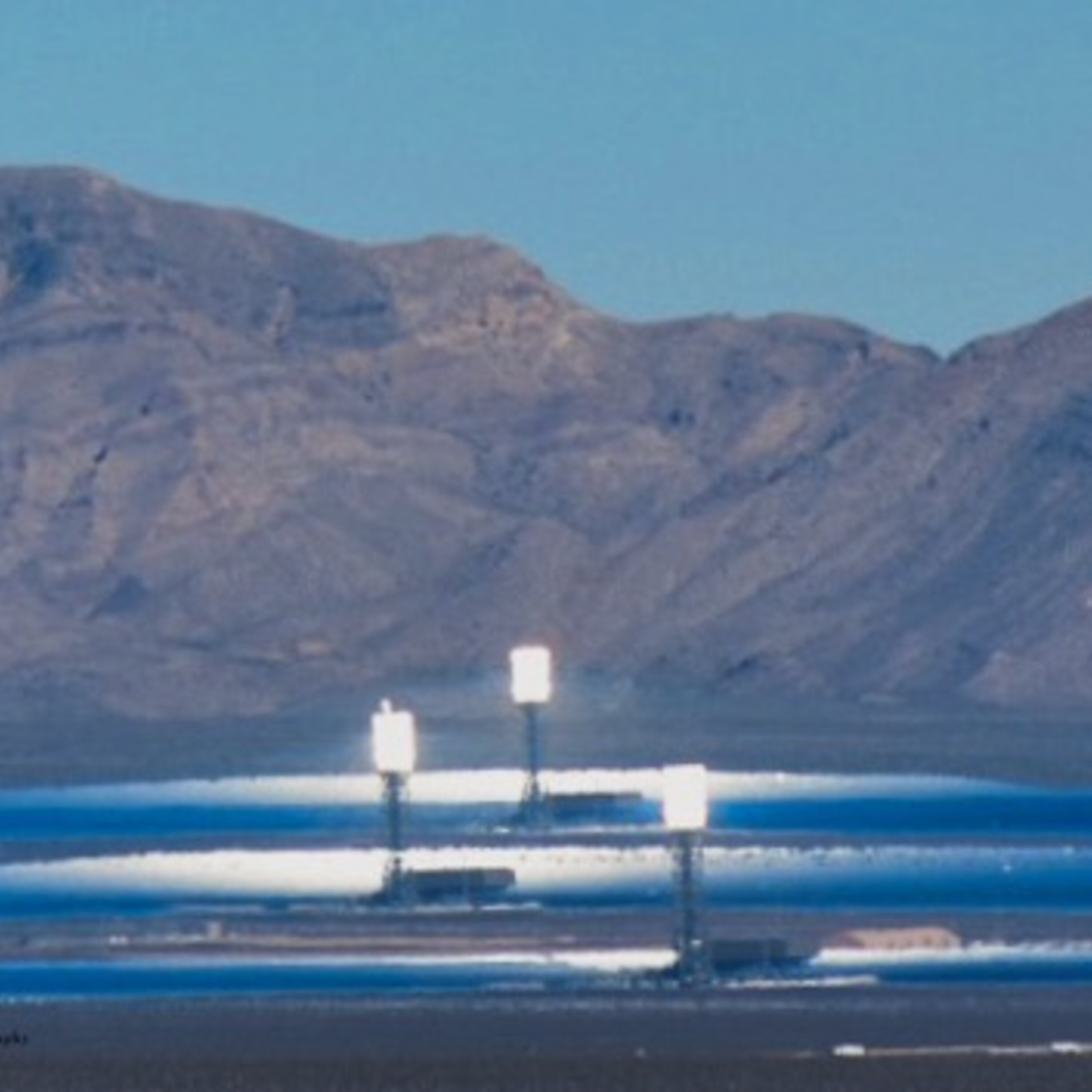
The federal government is reconsidering where utility-scale solar development should occur across the American West. Chris Clarke examines the Bureau of Land Management's draft Programmatic Environmental Impact Statement, the alternatives it considers, and the enormous areas of public land potentially available for solar development. He looks at exclusion zones, environmental impacts, and an alternative largely absent from the discussion: putting far more solar on rooftops and already-developed land instead of intact desert habitat.

1
Jan. 15, 2024
S3E1: Four Books That Will Change How You See The Desert
In this episode of "90 Miles from Needles: The Desert Protection Podcast," host Chris Clarke introduces four books that will challenge preconceptions about the desert. The first book, "The Arid Lands: History, Power, and Knowledge" by Diana K. Davis, challenges the notion that deserts are wastelands in need of development. The second book, "Peoples of a Sonoran Desert Oasis" by Jared Orsi, explores the history and culture of Quito Bacito and the impact of border policies on the oasis. The third ...
16
Dec. 25, 2023
S2E16: Protecting Desert Bighorn Sheep from Habitat Loss and Disease
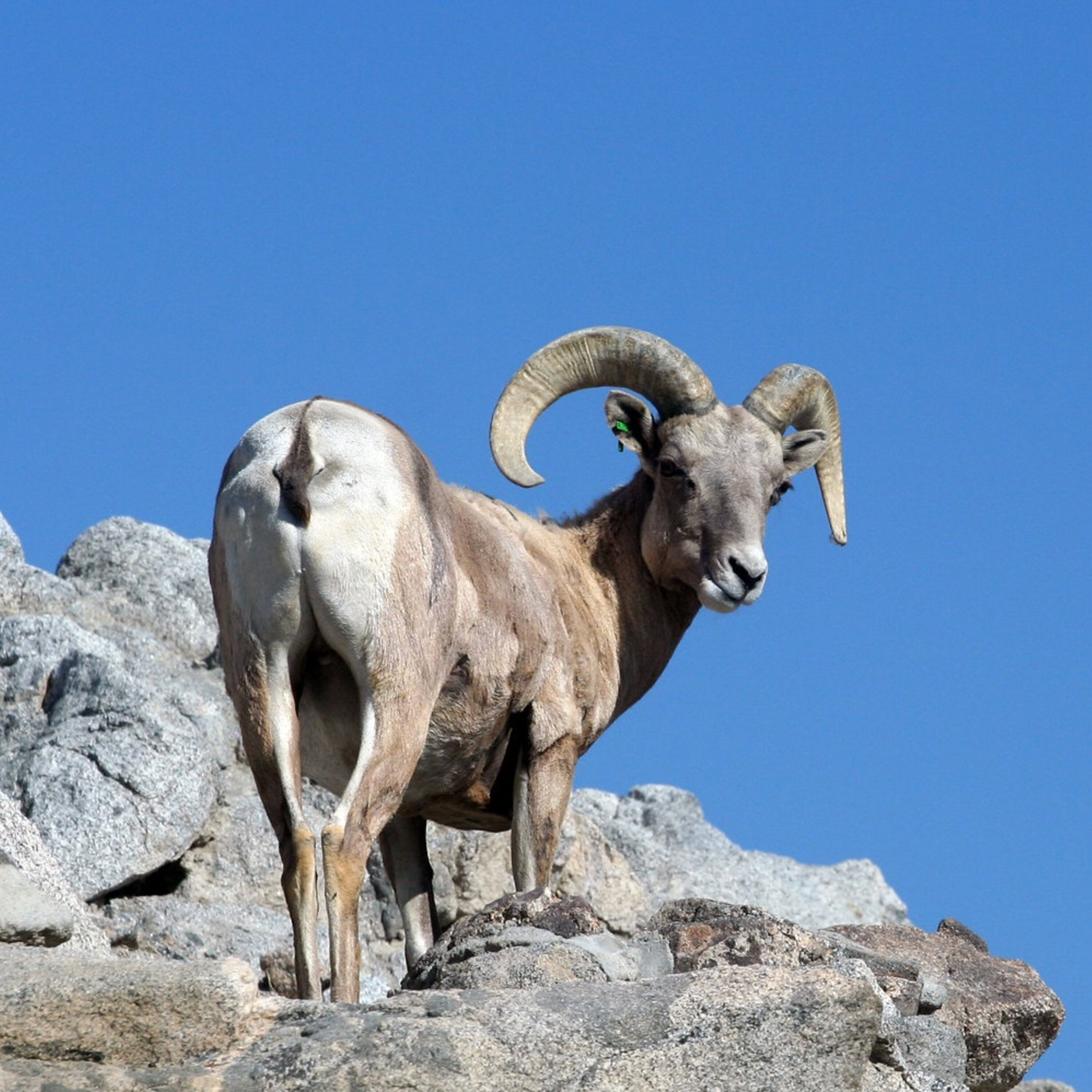
Desert bighorn sheep are among the Southwest's most iconic animals, but their future depends on protecting habitat and reducing threats such as disease transmission from domestic livestock. This episode explores the biology of these remarkable climbers, the conservation challenges they face, and the efforts underway to ensure they remain part of the desert landscape for generations to come.
Guests: Christina Aiello, PhD. , Louise Mathias

15
Nov. 27, 2023
S2E15: On Giving Tuesday, Make a Difference for the Desert
Independent journalism and grassroots conservation both depend on engaged communities. This special Giving Tuesday episode explains how listener support helps sustain 90 Miles from Needles and the Desert Advocacy Media Network while reflecting on why independent voices remain essential to protecting the deserts of the American Southwest.
14
Nov. 8, 2023
S2E14: Obi Kaufmann and The Deserts of California
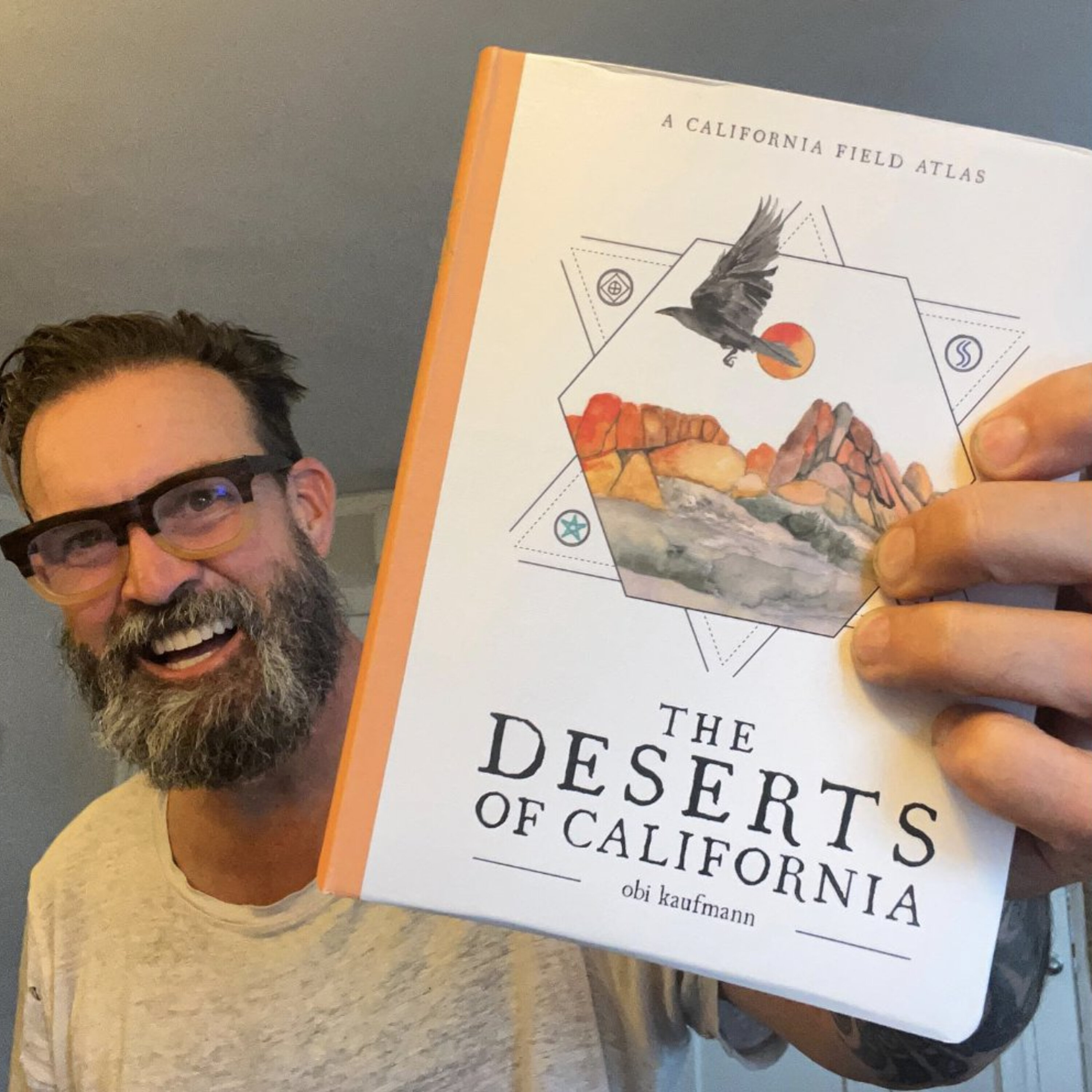
Artist, naturalist, and bestselling author Obi Kaufmann joins the podcast to discuss California's deserts, public lands, and the stories maps can tell. Together we explore how art, science, and conservation can help people see familiar landscapes with fresh eyes—and inspire them to protect what they discover.
Guest: Obi Kaufmann
13
Oct. 23, 2023
S2E13: Dealing With Loss
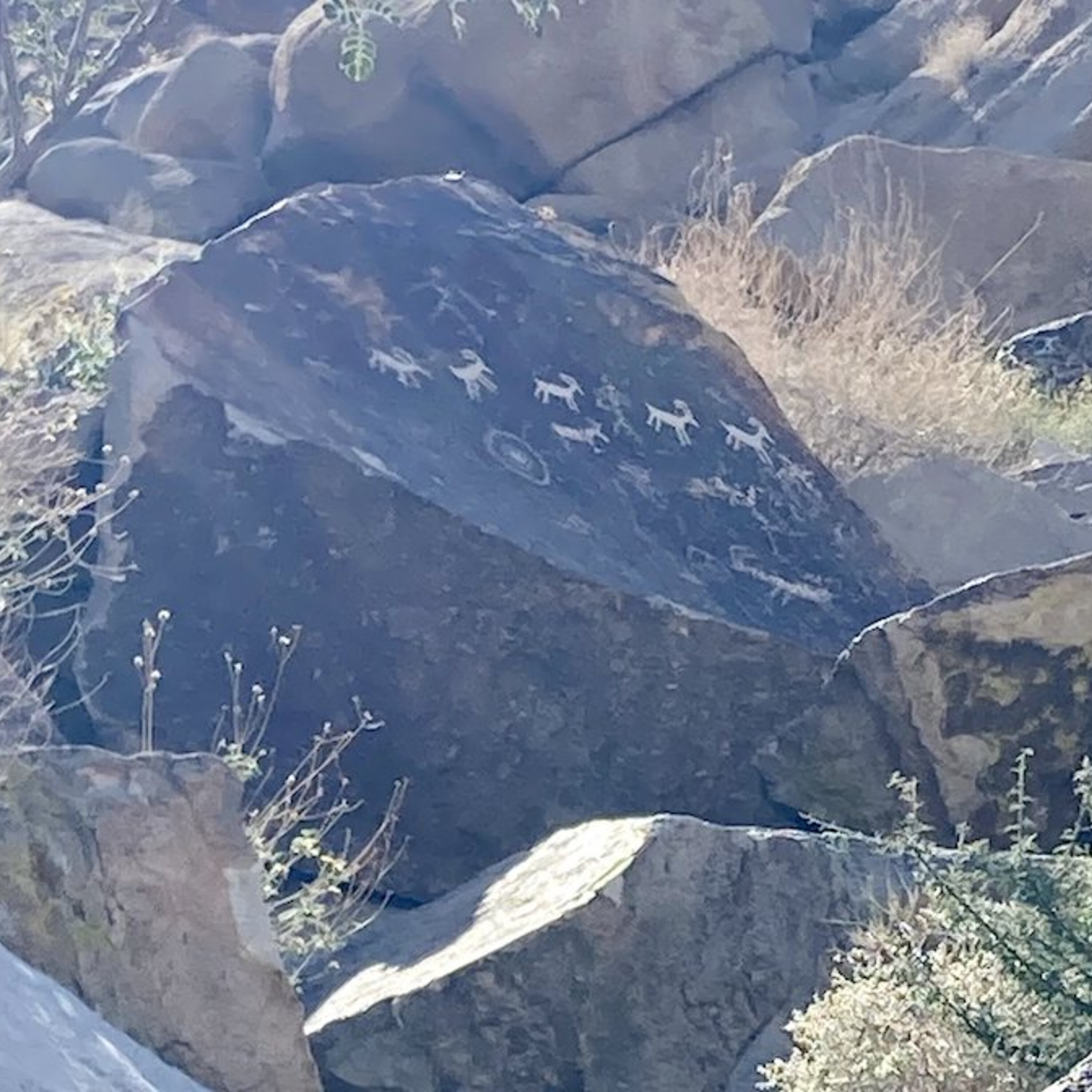
Protecting the desert can be emotionally difficult work. This deeply personal episode reflects on grief, disappointment, and resilience in conservation, exploring how people continue fighting for the landscapes they love even after setbacks and losses. It's a conversation about hope as much as hardship.
Guest: Rohini Walker
12
Aug. 26, 2023
S2E12: The Majestic Saguaro
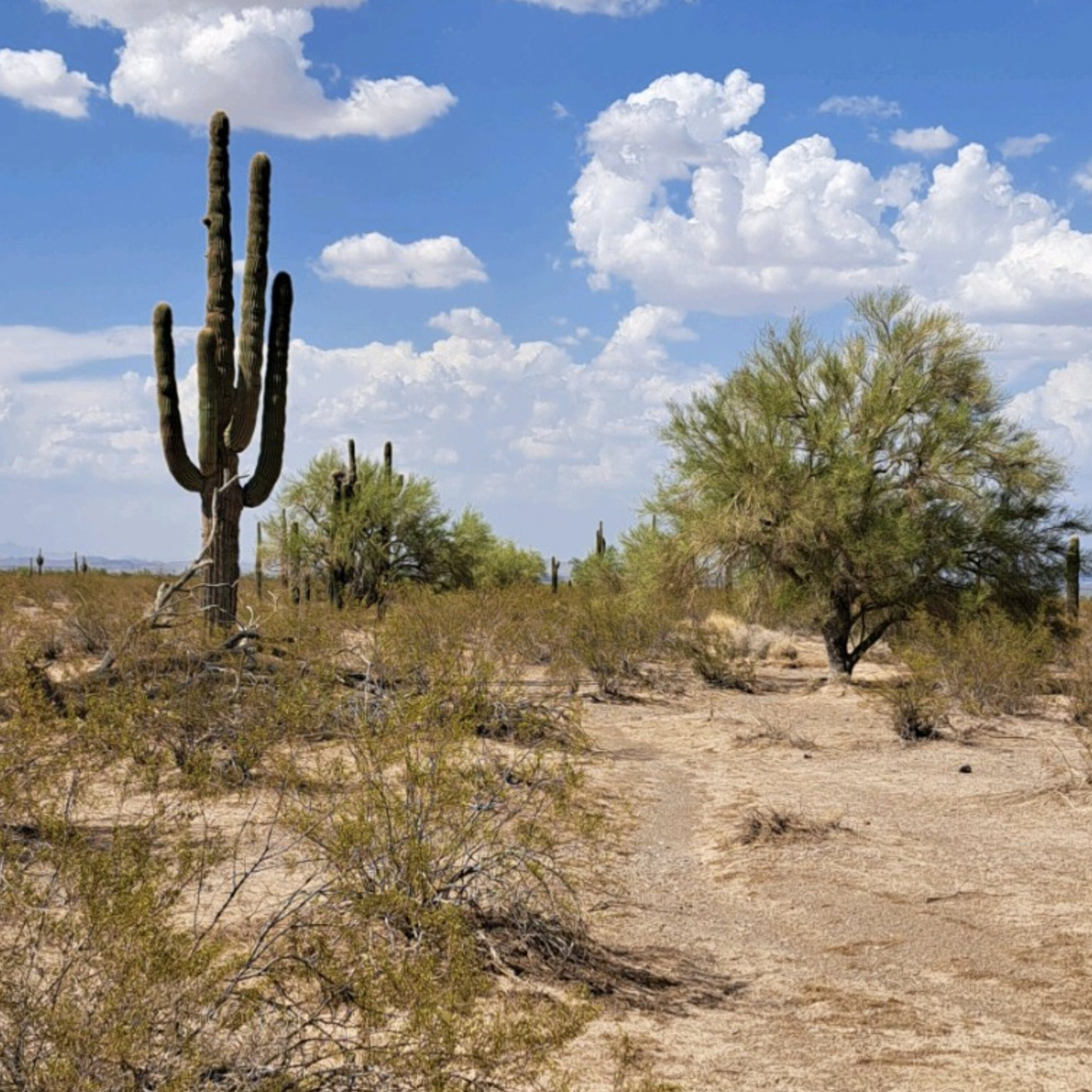
The saguaro cactus is an enduring symbol of the American Southwest, yet its life story is even more remarkable than its silhouette. This episode explores the biology, ecology, and cultural significance of the Sonoran Desert's iconic giant, revealing how saguaros support countless other species throughout their centuries-long lives.
Guests: Audrey Scheere , Henry Brean
11
July 26, 2023
S2E11: Globemallow Binding the Desert's Wounds
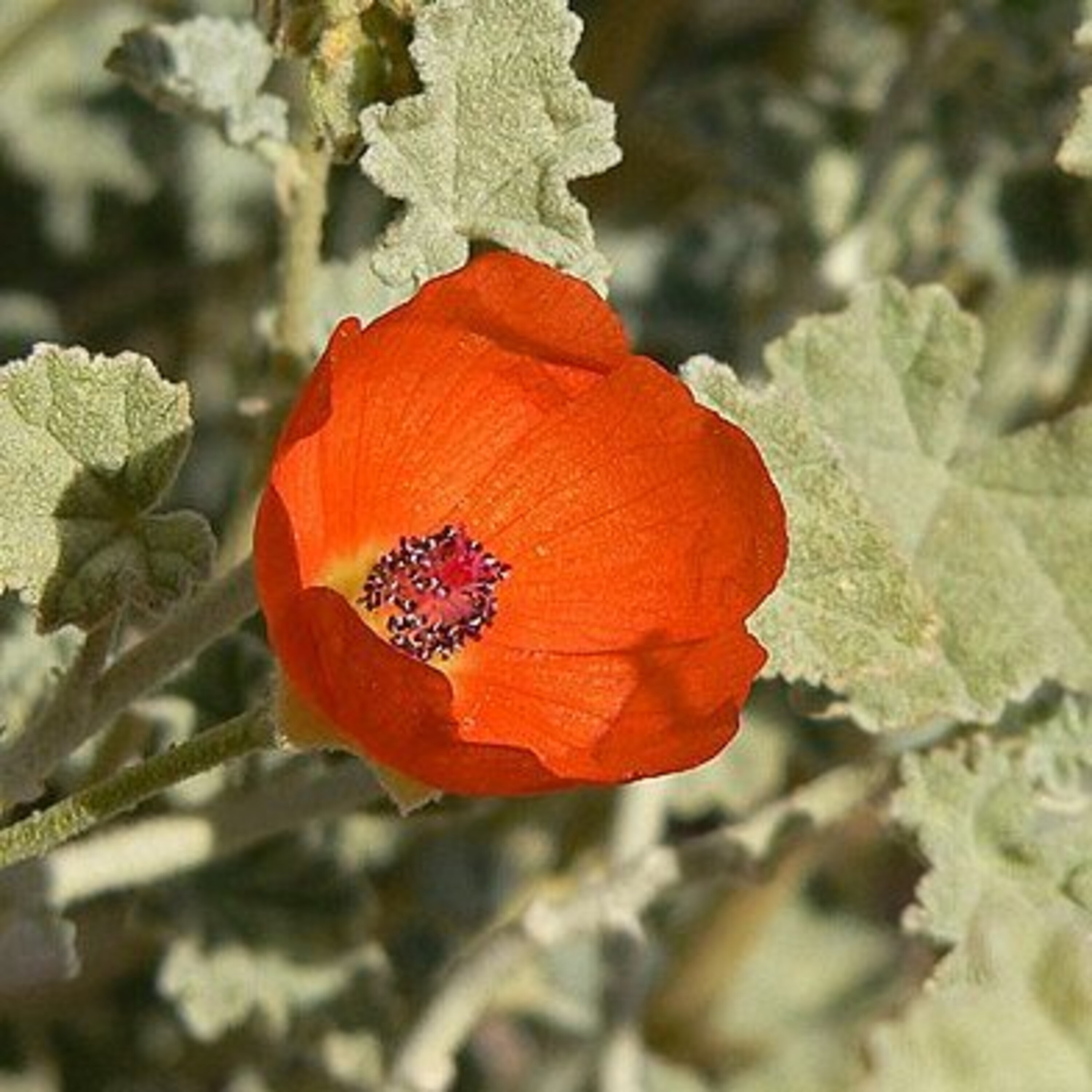
Every spring, brilliant orange globemallow flowers brighten the desert landscape, but their importance goes far beyond their beauty. Learn about one of the Southwest's most recognizable native wildflowers, its role in supporting pollinators and wildlife, and the ways native plants help desert ecosystems recover and thrive.