Nuclear Episodes
Investigating the history and ongoing impacts of nuclear testing, uranium mining, and waste storage in desert landscapes, particularly in Nevada, Utah, and New Mexico.
5
Feb. 13, 2026
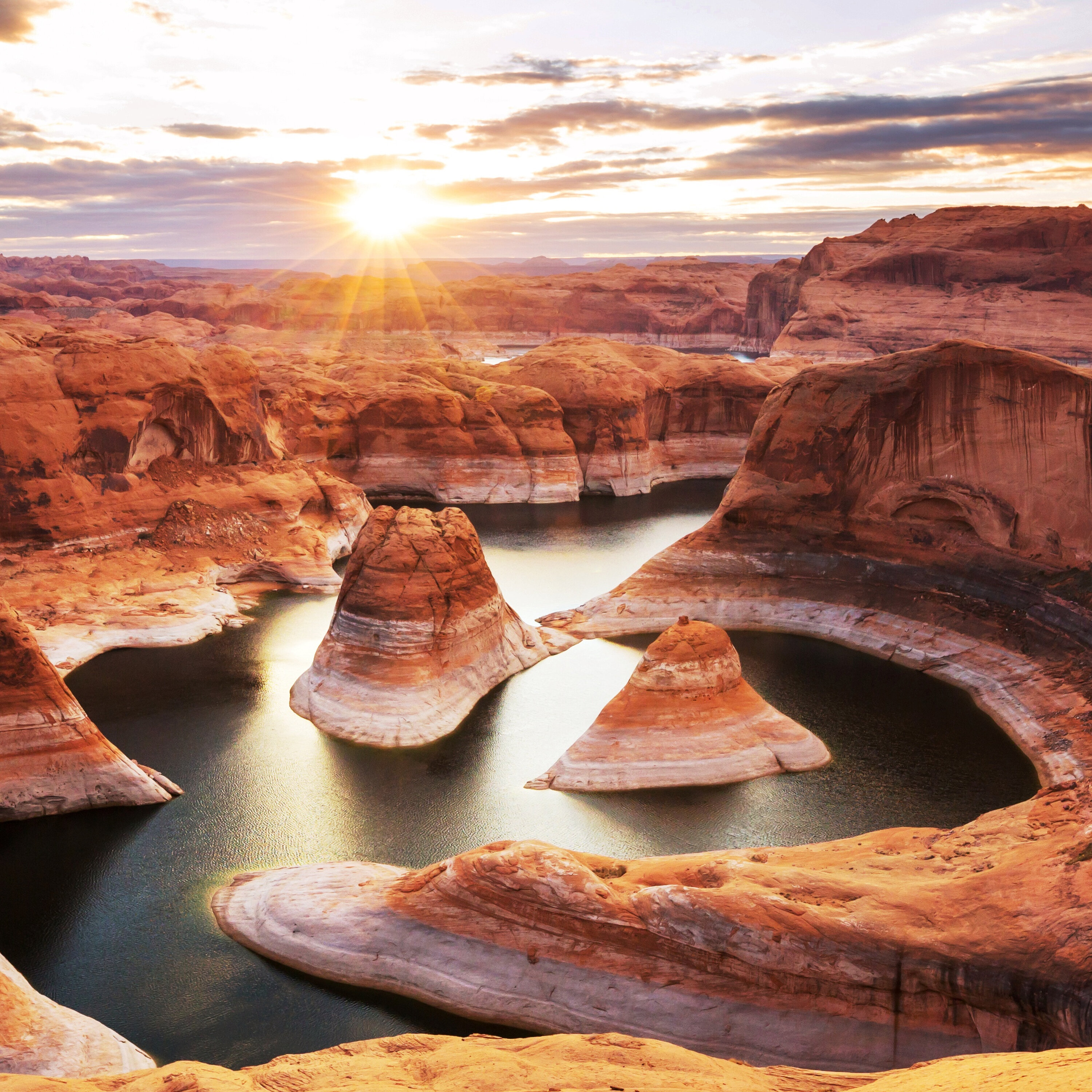
S5E5: From Nuclear Waste to Restoring Glen Canyon
Journalist Zak Podmore connects proposed nuclear-waste storage in southeastern Utah with the rapid ecological recovery emerging from Lake Powell, asking who bears the nuclear fuel cycle’s costs and what a restored Glen Canyon could become.
36
Sept. 26, 2025
S4E36: The Fallout You Never Knew About: California's Hidden Nuclear Legacy
Michael E. Ketterer's plutonium fingerprinting reveals that eastern California received Nevada Test Site fallout comparable to recognized downwind areas, strengthening the case for expanded mapping and compensation.
Guest: Michael E. Ketterer

26
Aug. 8, 2025
S4E26: Episode 100 | Morgan Sjogren's Tales of Beauty, Rage, and Uranium
Writer Morgan Sjogren reads from Path of Light, tracing the beauty of Glen Canyon alongside the lasting damage uranium mining has inflicted on Indigenous communities, wildlife, water and public lands.
Guest: Morgan Sjogren
18
June 10, 2025
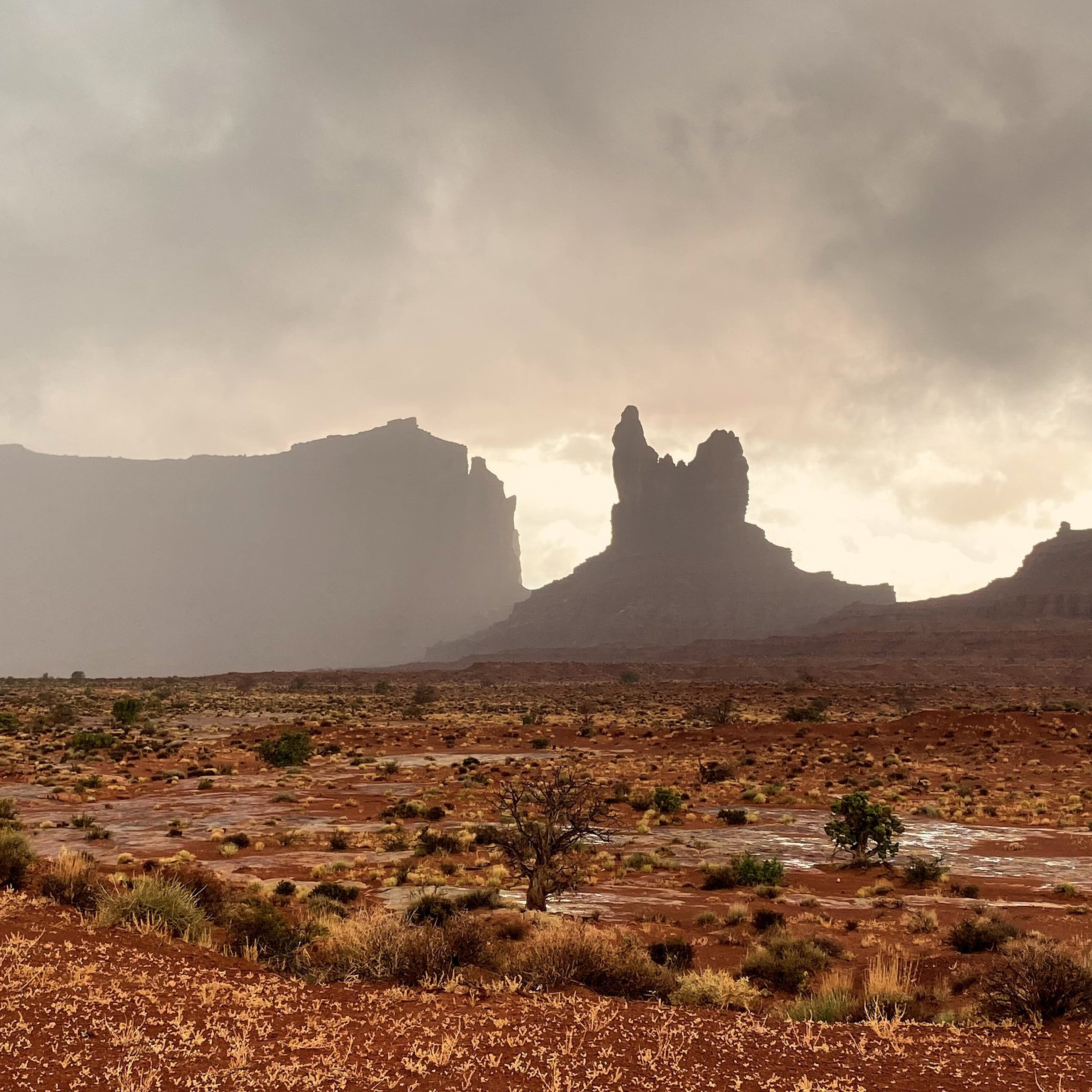
S4E18: Resilience & Resistance in Navajo Country
Diné leader Davina Smith explains Bears Ears as a living cultural landscape, the legacy of her grandmothers' resistance and the necessity of Indigenous leadership in protecting sacred lands.
Guest: Davina Smith
27
Sept. 18, 2024
S3E27: Los Alamos's Dark Legacy: Plutonium Pollution in Plain Sight
Chris Clarke talks with chemist Michael Ketterer about plutonium contamination in Acid Canyon, isotopic tracing, downstream risks, environmental justice, and the enduring consequences of Los Alamos's nuclear legacy.
Guest: Michael E. Ketterer
10
May 21, 2022
S1E10: Remembering Phil Klasky and Ward Valley
Phil Klasky devoted decades to protecting California's deserts, including the successful effort to stop a radioactive waste dump in Ward Valley. This episode honors his life and legacy while revisiting one of the most important environmental victories in modern desert conservation.
Guest: Matthew Leivas