Border Episodes
Addressing the environmental and humanitarian consequences of U.S. border policies on desert ecosystems, wildlife corridors, and Indigenous lands.
9
June 13, 2023
S2E9: What We Got Wrong About the Desert
For generations, Americans have been taught that deserts are barren wastelands waiting to be developed. This episode challenges those misconceptions by exploring what science—and the desert itself—actually tells us about biodiversity, resilience, and why changing our understanding of these landscapes is essential to their protection.

6
April 9, 2023
S2E6: Border Chronicle: Biden Still Building Trump's Border Wall
Even after the Trump administration ended, border wall construction—and its environmental consequences—continued in unexpected ways. Featuring reporting from The Border Chronicle, this episode examines ongoing border infrastructure projects, their effects on wildlife and desert ecosystems, and the complicated politics surrounding conservation along the U.S.–Mexico border.
5
March 19, 2023
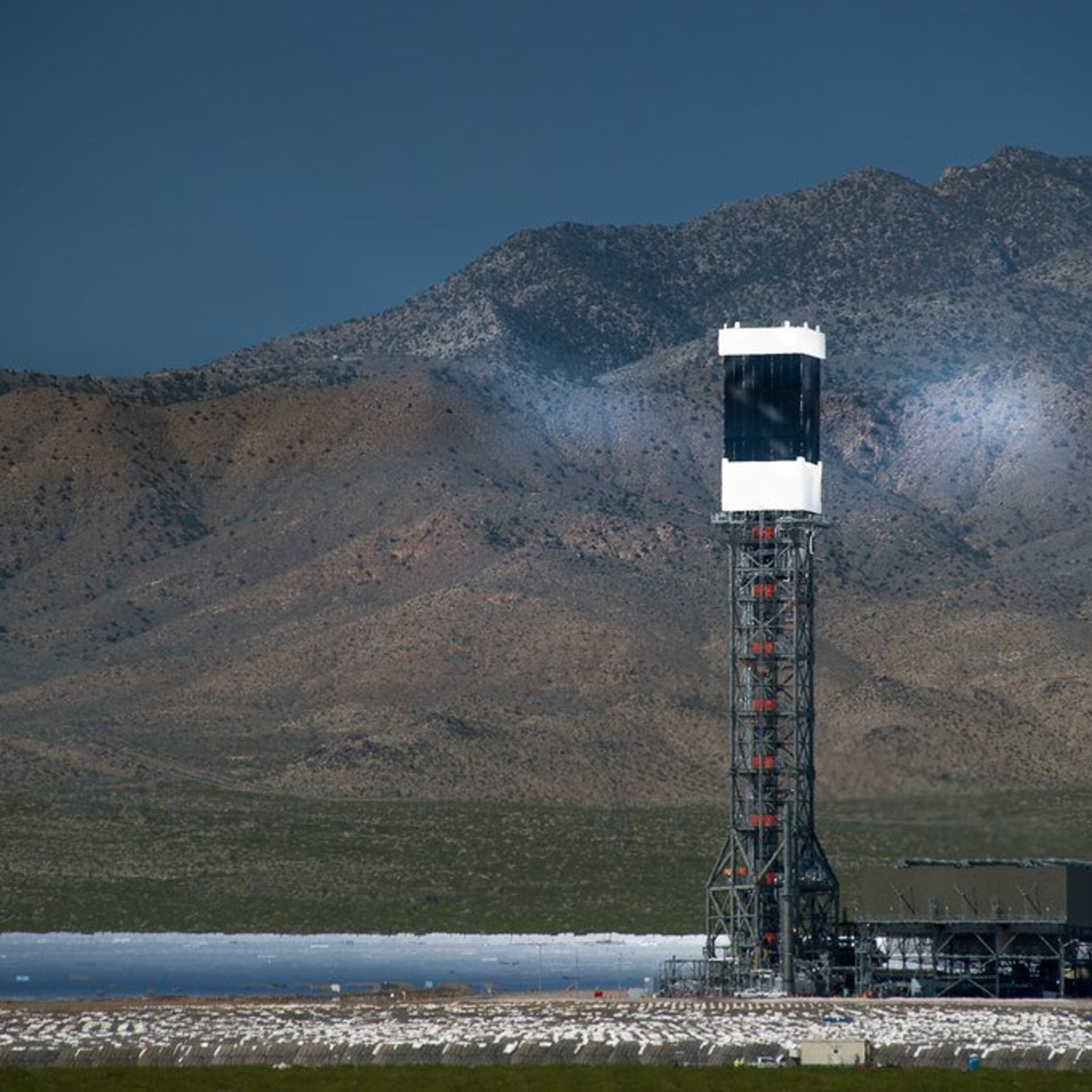
S2E5: The Problems with Desert Solar
Renewable energy is essential for addressing climate change—but where we build it matters. This episode looks at the ecological costs of poorly sited utility-scale solar projects in the desert and discusses how better planning can protect wildlife, intact ecosystems, and public lands while still accelerating the transition to clean energy.
3
Feb. 2, 2023
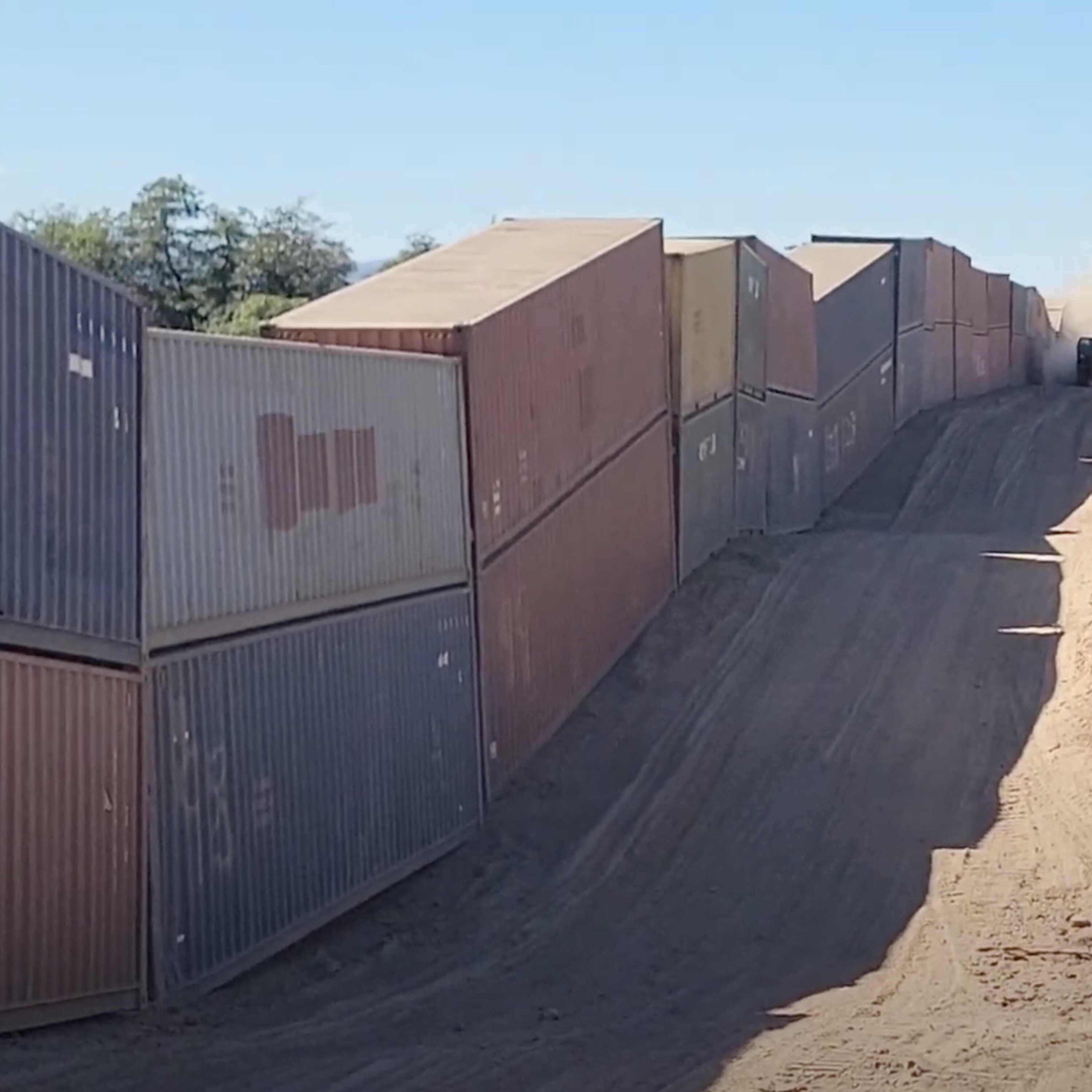
S2E3: Governor Ducey's Border Wall Comes Down
Arizona's controversial shipping-container border wall was erected in a matter of weeks—but dismantling it became a powerful symbol of the legal and political battles surrounding border policy. This episode examines why the barrier was built, the environmental damage it caused, and what its removal means for wildlife, public lands, and the future of the U.S.–Mexico border.
Guest: Melissa del Bosque
16
Aug. 21, 2022
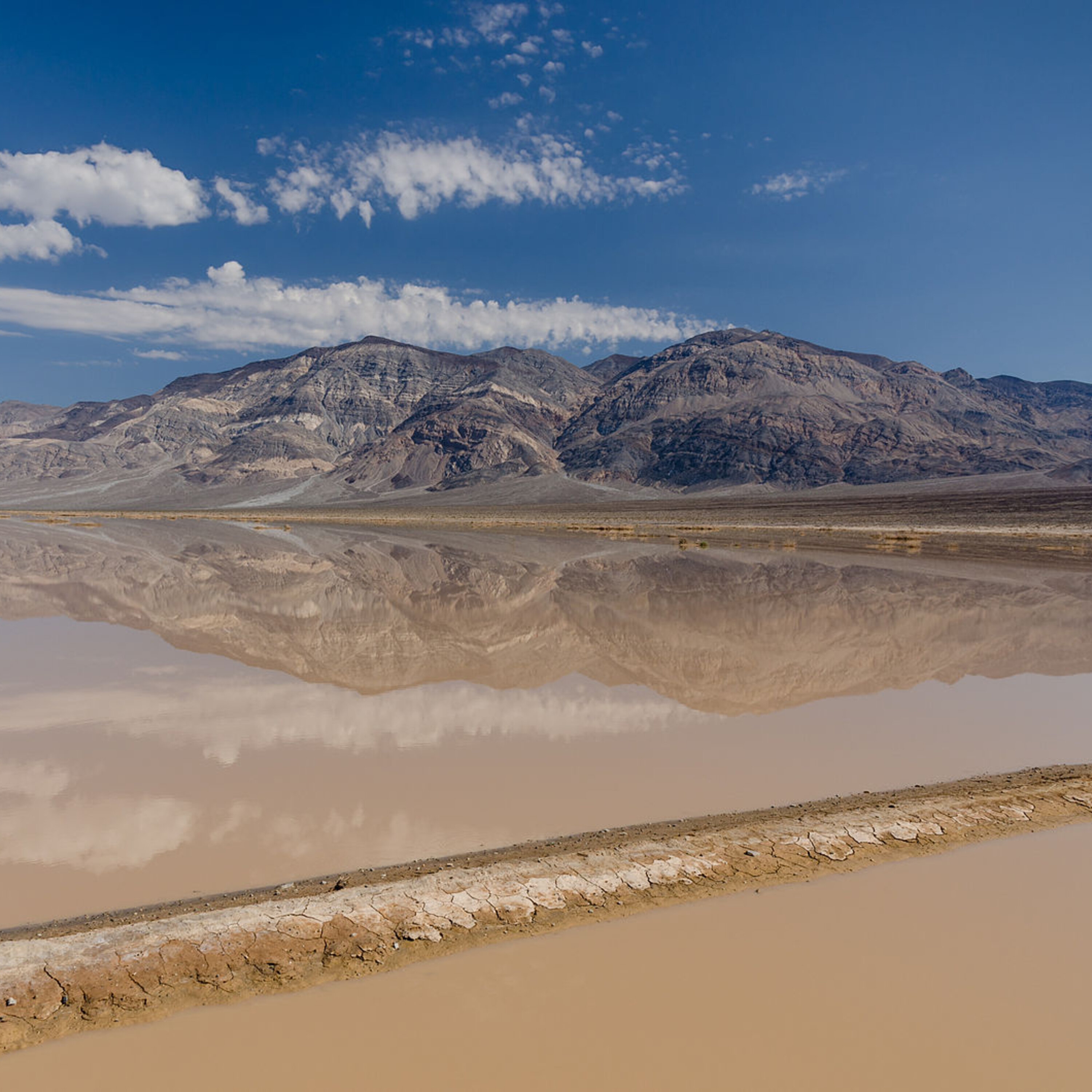
S1E16 Flood and Drought; Death Valley and the Great Salt Lake
Extreme drought and catastrophic flooding can seem like opposites, yet both are becoming defining features of the modern Southwest. This episode examines recent events in Death Valley and the Great Salt Lake, exploring what they reveal about climate change, water management, and the future of desert landscapes.
Guests: David Smith , Zachary Frankel
15
Aug. 7, 2022
S1E15 What Keeps You Going plus Bristlecone Pines
Bristlecone pines are among the oldest living organisms on Earth, surviving for thousands of years in some of the harshest environments imaginable. This episode pairs their extraordinary story and new threats to the trees with a reflection on resilience, asking what keeps people motivated to continue protecting the desert even when progress feels slow.
Guest: Louis Sahagun
13
July 7, 2022
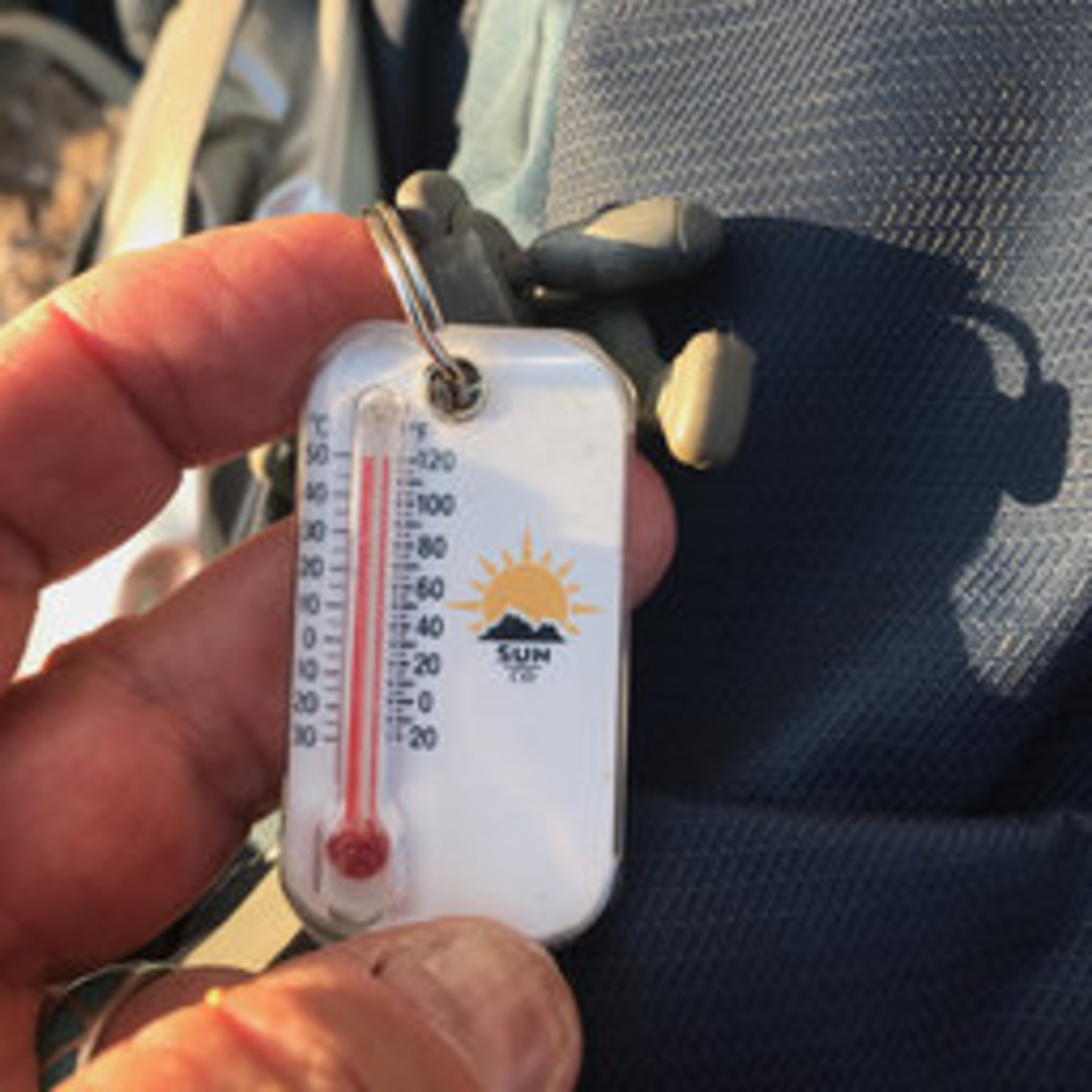
S1E13: Don't Die Today: Heat in the Desert
Desert heat is unforgiving, but many tragedies can be prevented with preparation and good decision-making. This episode offers practical advice for staying safe during extreme heat while explaining why deserts become dangerous so quickly when people underestimate the conditions.
12
June 20, 2022
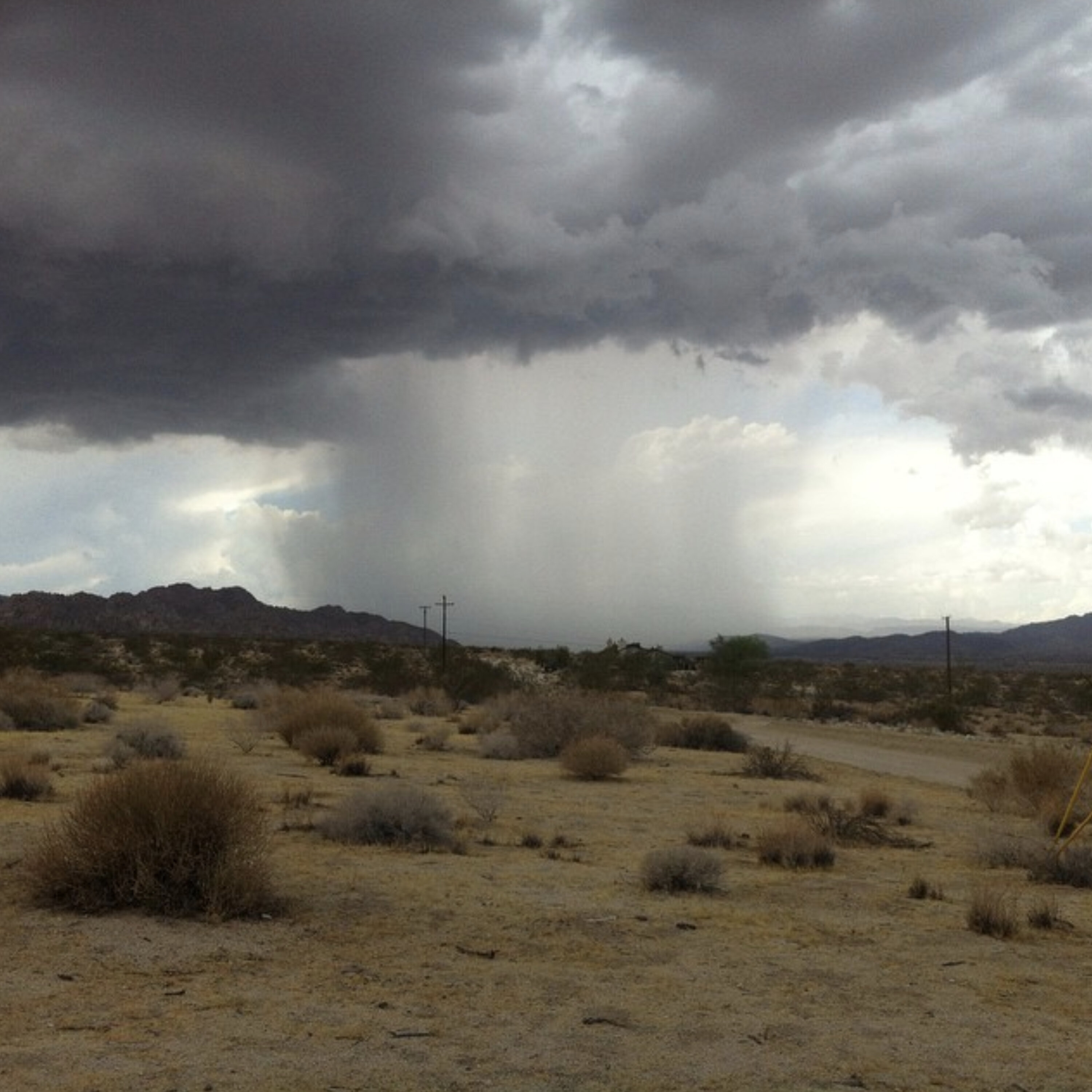
S1E12: What's Happening to the Monsoon?
Summer monsoons shape life across the deserts of the Southwest, bringing relief from extreme heat and sustaining plants and wildlife. This episode explores how the North American Monsoon works, why it varies from year to year, and what scientists are learning about its future in a changing climate.
Guest: Jan Emming
11
June 7, 2022
S1E11: Deconstructing Ed Abbey
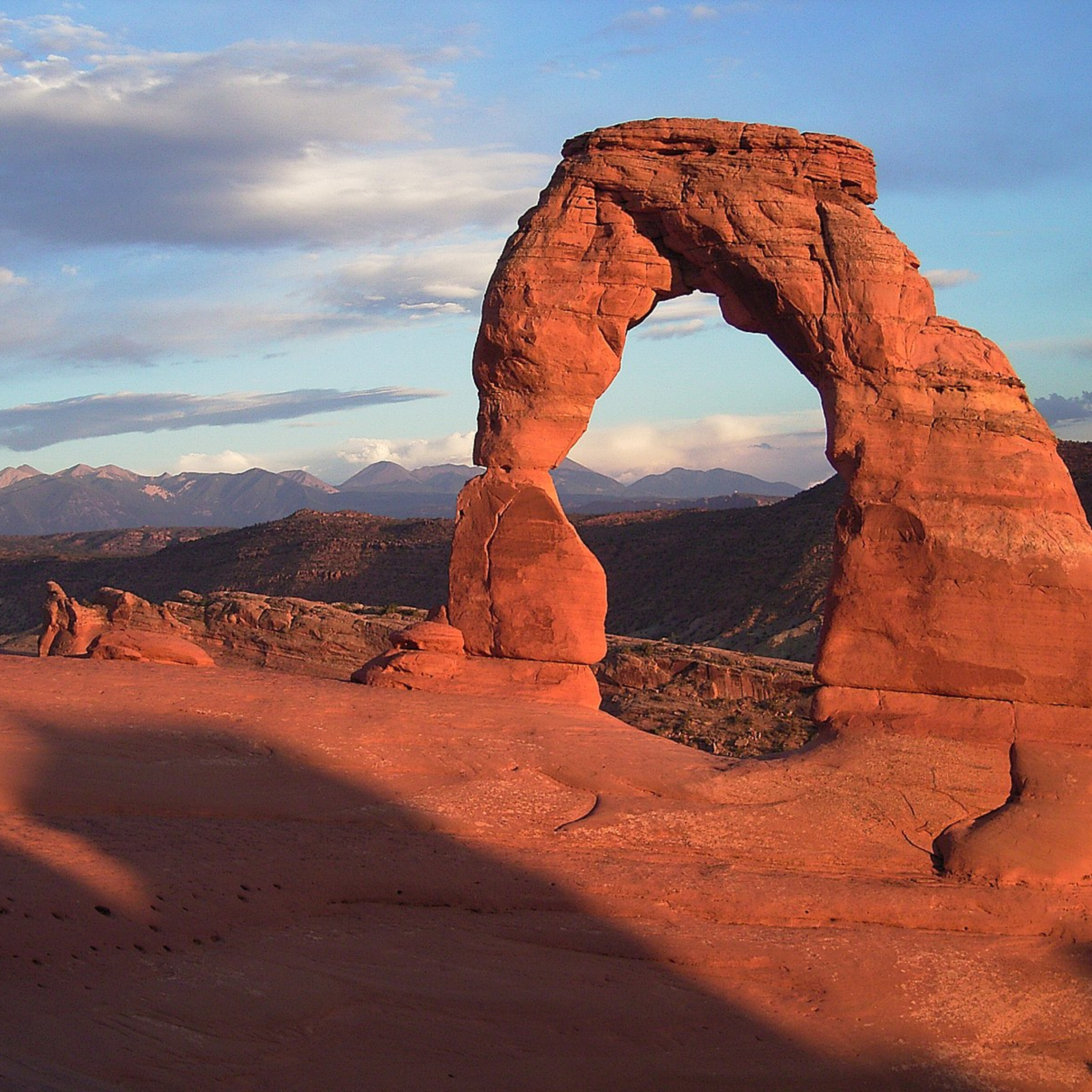
Edward Abbey remains one of the most influential—and controversial—writers ever to write about the American desert. This episode takes a thoughtful look at Abbey's ideas, his enduring influence on environmentalism, and the ways his legacy continues to inspire both admiration and debate.
4
Feb. 16, 2022
S1E4: The End of the Cadillac Desert: Megadrought in the Southwest
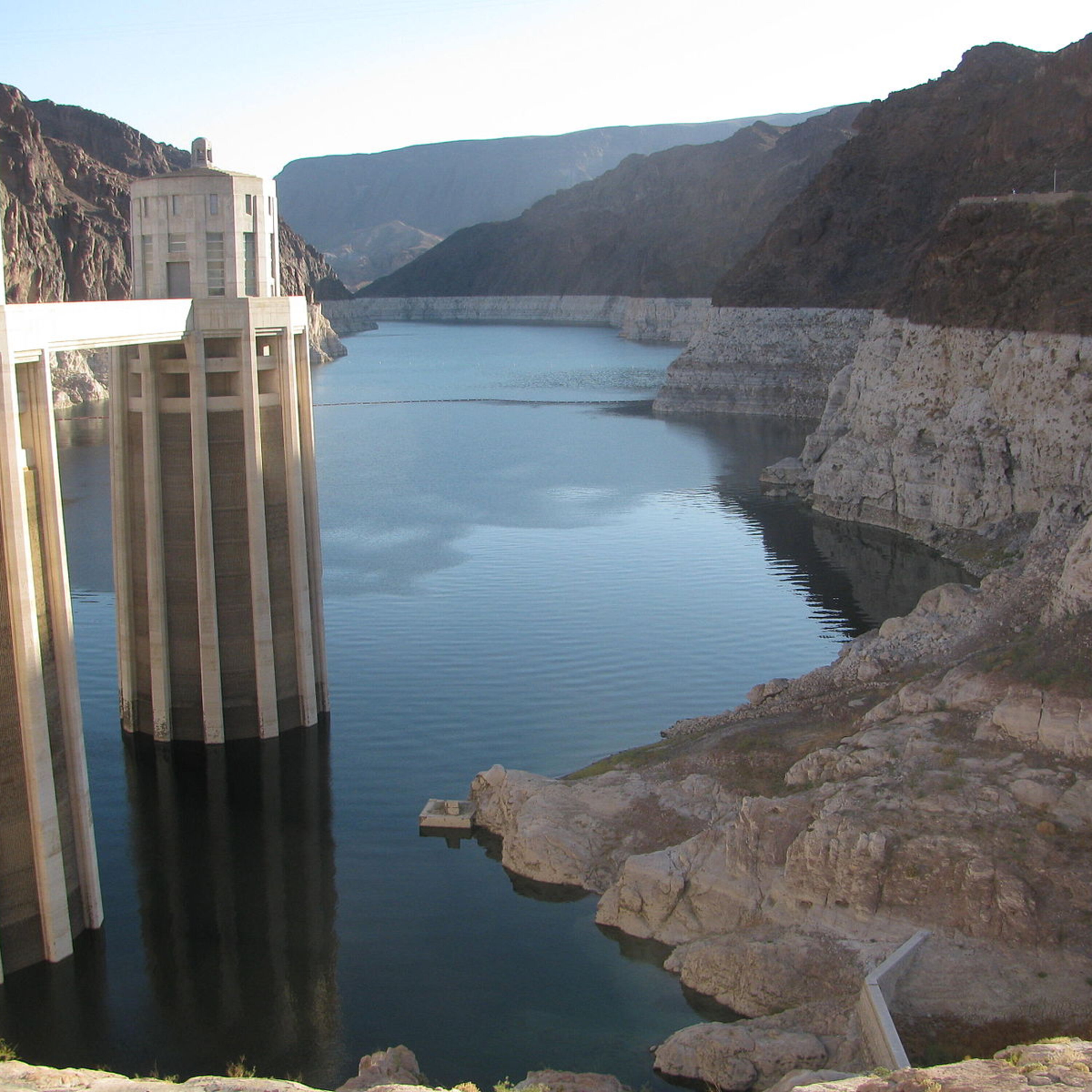
For generations, the American West has relied on the assumption that water could always be found somewhere. That era is ending. This episode examines drought, the Colorado River, and the changing realities of water management across the Southwest, asking what the future of desert communities will look like as water becomes increasingly scarce.
Guest: Kyle Roerink

July 29, 2021
Trailer 2, Season 0: Introducing Alicia Pike
On a visit to Bonanza Spring, threatened by the Cadiz corporation's plan to mine desert groundwater for profit, Alicia Pike talks about what she hopes to bring to 90MFN as cohost. Support the show (https://www.patreon.com/ninetymilesfromneedles) Support our show!: https://90milesfromneedles.com/patreon See omnystudio.com/listener for privacy information. Become a desert defender!: https://90milesfromneedles.com/donate See omnystudio.com/listener for privacy information.